Disclosure: This post may contain affiliate links, meaning if you decide to make a purchase via my links, I may earn a commission at no additional cost to you. See my disclosure for more info.
Protein is essential for keeping you full and energized, but finding quality protein sources that won’t break the bank takes some know-how. Especially if you have any dietary restrictions or follow a specific meal plan. Read on for tips to enjoy protein-rich meals without draining your wallet.
Vegetarian and Plant-Based Proteins
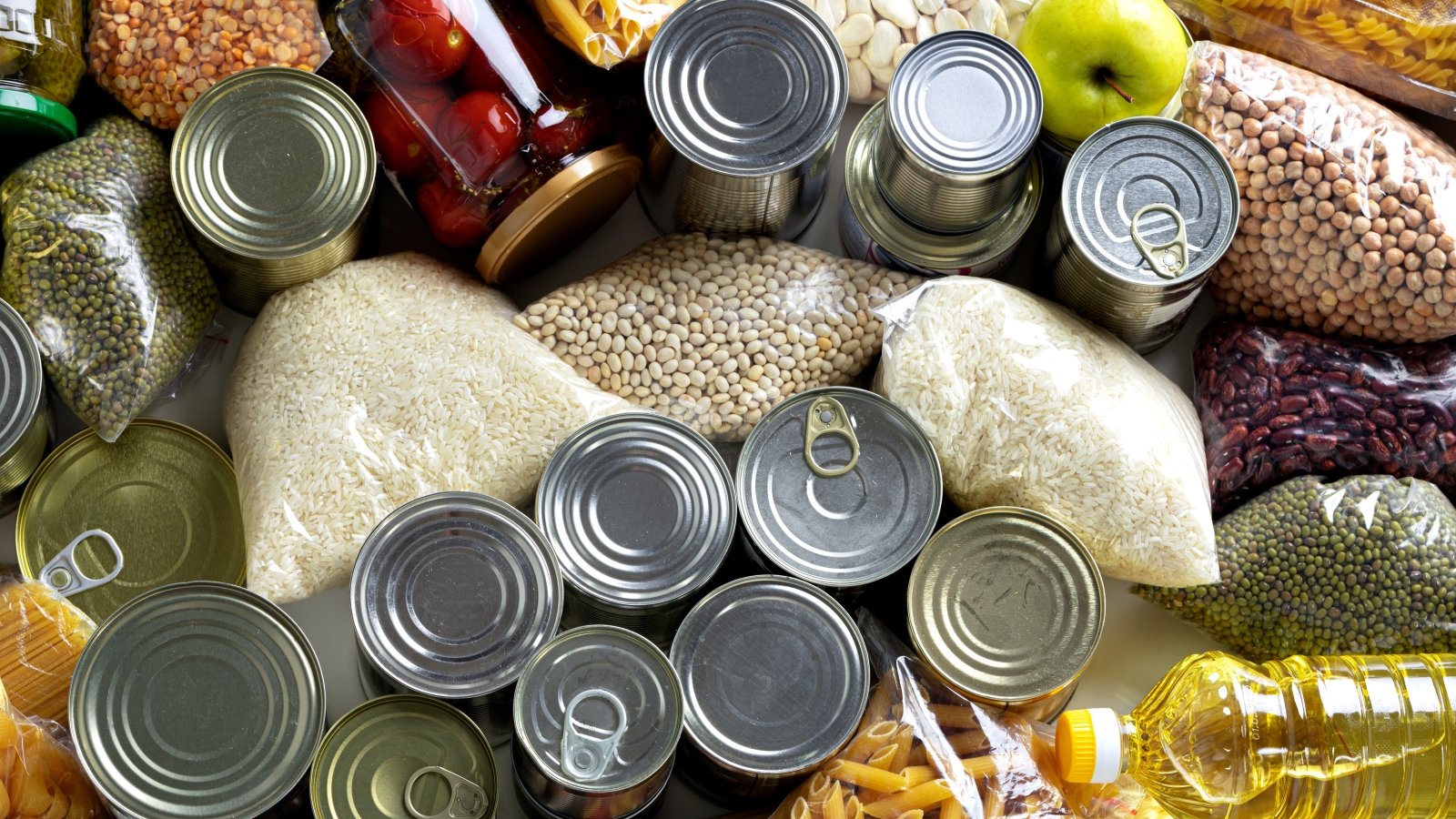
A few years ago, my wife and I challenged ourselves to eat a vegan diet for 30 days. I was concerned about insufficient protein, but that didn’t happen. You can get plenty of protein from a variety of sources that aren’t animal protein or animal products, including:
Chickpeas

Chickpeas are an excellent source of protein and fiber. One cup of cooked chickpeas has about 13 grams of fiber. Use them to make your hummus or add them to salads. Mash them up, add spices, then form patties to make falafel or veggie burgers.
Lentils

Lentils are one of the cheapest sources of protein when bought dry. Unlike other dry beans, they don’t have to soak overnight and cook quickly. Lentil soup and chili are easy to make and quite tasty.
Tofu

It’s not the most flavorful stuff on its own, but it’s a cheap protein source that takes on whatever flavor you add to it with sauces or spices. Firmer varieties are well-baked and in stir-fries. Add silken tofu to a smoothie to give it some extra protein. If you have an Asian grocery store near you, you can find blocks for around a dollar.
Seitan

Seitan is often referred to as “wheat meat” for its meat-like texture and taste. Seitan is a versatile substitute for beef or chicken, but it’s unsuitable if you’re on a gluten-free diet as it’s made from wheat gluten. You can find it in supermarkets next to tofu.
Tempeh

Tempeh is made from fermented soybeans. It’s usually sold in blocks near tofu. It has a slightly earthy flavor and a firm texture. You can slice it, marinate it, and bake it to use in sandwiches or entrees. You can also crumble it as a substitute for ground meat in chili or tacos. A 4-ounce serving contains about 21 grams of protein.
Edamame

Edamame is the Japanese name for immature soybeans in their pods. They’re usually boiled or steamed and served as an appetizer or snack. You can sometimes find frozen edamame, shelled or unshelled, at a reasonable price. We get the best prices at our local Asian market.
Chia Seeds

Chia seeds are tiny black seeds rich in protein, fiber, potassium, iron, and calcium. When soaked in liquid, they become gelatinous, making them a thickener for smoothies, salad dressings, or soups. We get them at Costco, but you might find them in your supermarket’s bulk bins or health food section.
Nutritional Yeast

Nutritional yeast is a vegan-friendly substitute for cheese. It’s usually sold in powder or flakes, and it adds a bit of a cheesy flavor, so you can use it just like you would parmesan cheese. Add it to popcorn, pasta, salads, or soups. Not all grocery stores carry it, but you might find it in your local supermarket’s bulk bins or health food aisle.
Animal Based Protein
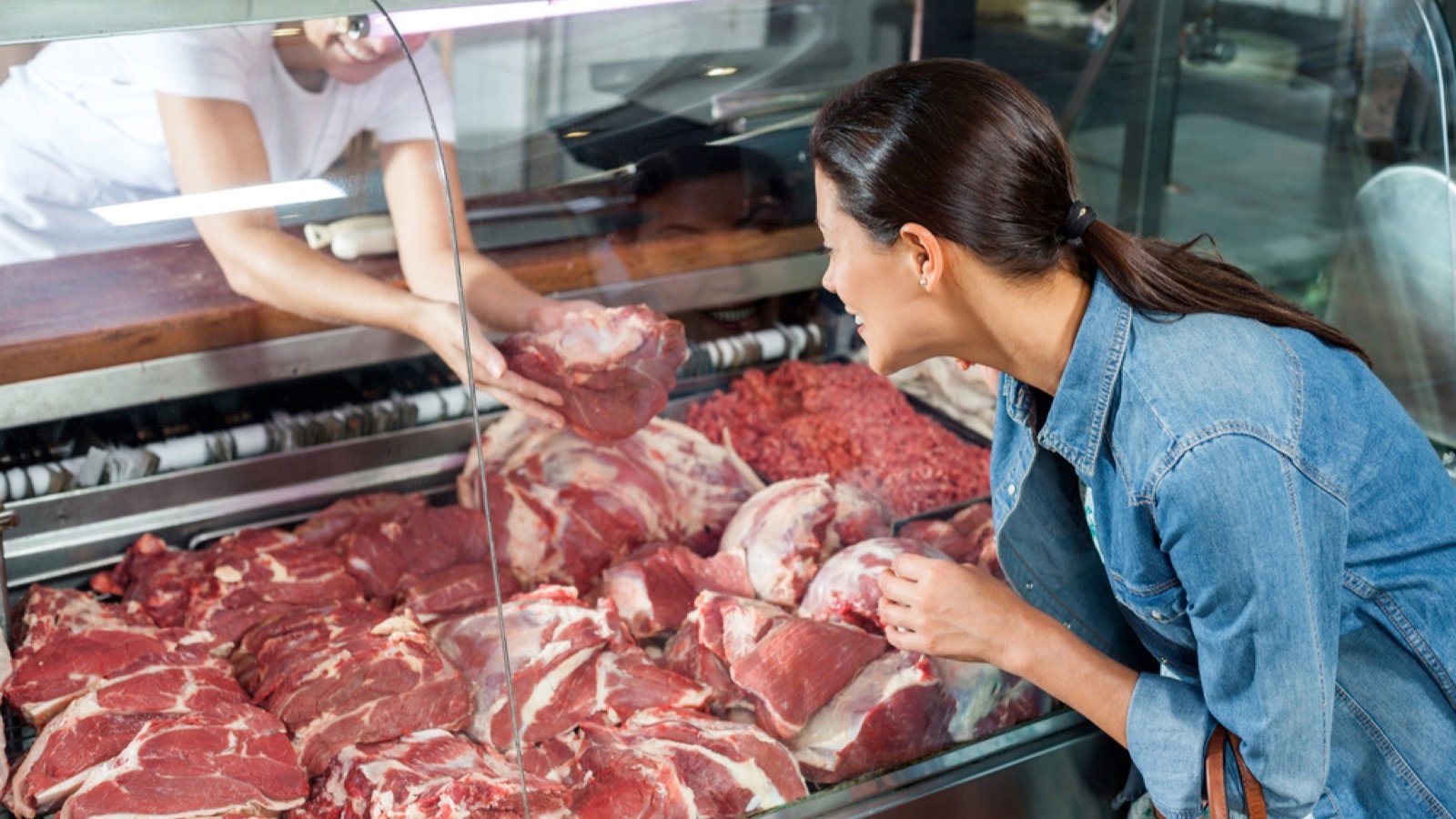
If you’re open to a wider variety of protein options, animal protein is still a great source of affordable nutrients. The trick is knowing the different cuts of meat, how to prepare them, and how to shop for a good price. As with any food item, being mindful of portion size is another great way to watch your waistline and ensure your wallet stays plump. Here are some of our go-to favorites.
Chicken
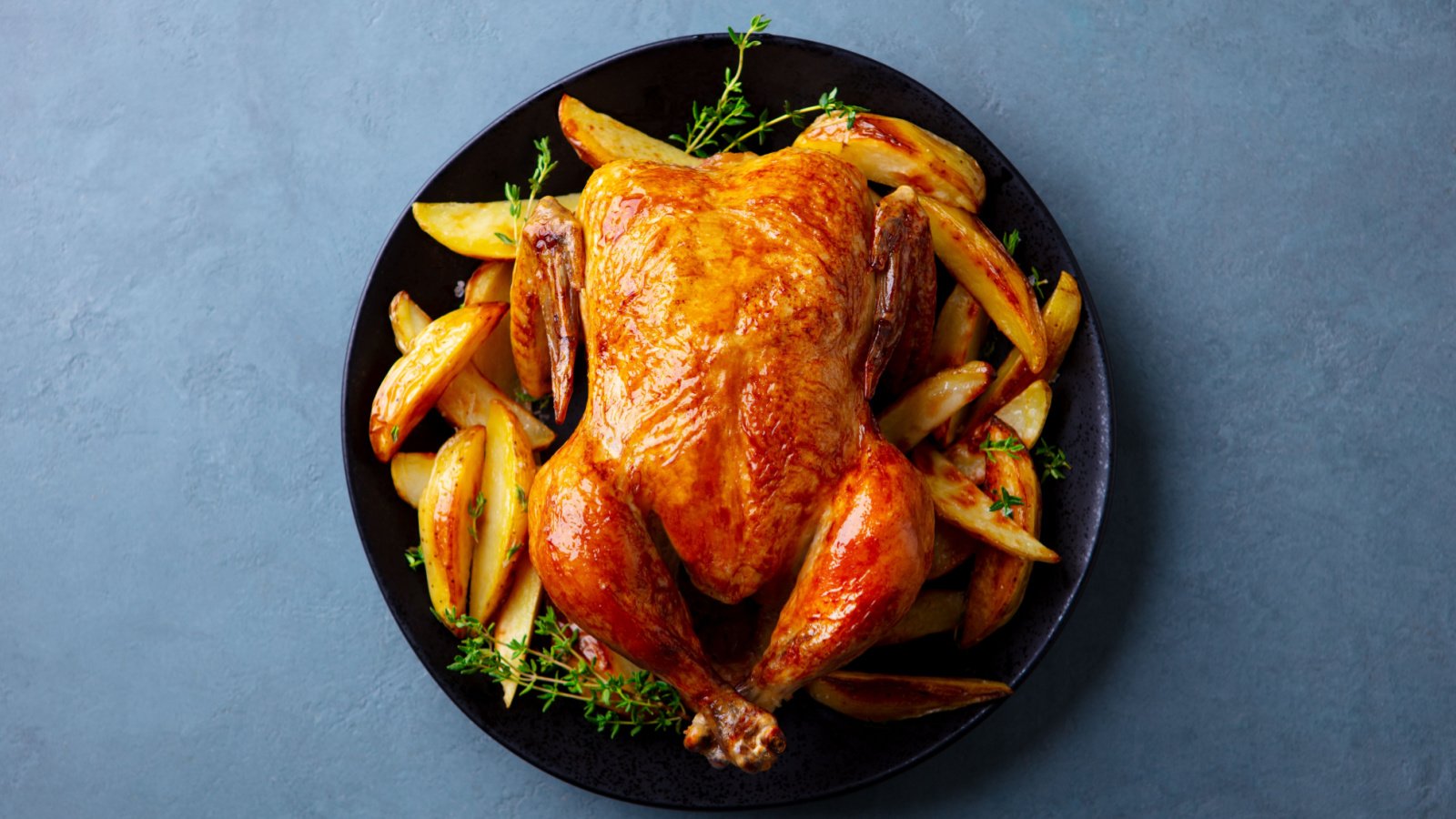
Buying a whole fresh chicken and carving it yourself is cheaper than buying thighs or drumsticks. Use the bones for stock and the meat for chicken soup, chicken salad sandwiches, chicken pot pie, or other dishes. If you can’t live without boneless, skinless chicken breasts or wings, frozen is generally cheaper than fresh, sometimes more affordable.
Ground Beef or Ground Turkey

There are a ton of cheap, tasty meals you can make with ground beef and ground turkey besides making burgers. We add it to pasta or make tacos, casseroles, and rice bowls. You can probably find a good deal on ground beef or ground turkey somewhere, depending on the stores in your area. Stretch out a family pack of ground beef by adding a can of black beans, lentils, or your favorite bean.
Chuck Roast

Chuck roast is cheap, but as with most inexpensive cuts of beef, it takes some effort to get them tender. Our go-to method is browning it and then throwing it into the slow cooker with veggies, beef broth, and some spices for a nice pot roast. We get a delicious meal and plenty of leftovers, and the entire house smells amazing while it’s going.
Pork

The other white meat is pretty inexpensive compared to beef. Pork chops appear on our dinner menu fairly frequently when they’re on sale. We look for tenderloin during grilling season. The same goes for pork shoulder, which I do low and slow outdoors.
Hot Dogs

OK, hot dogs are not one of the most nutritious foods on this list, but I’m not suggesting they should be a staple. They’re affordable, easy to prepare, and an odd one here and there won’t ruin your health.