
Disclosure: This post may contain affiliate links, meaning if you decide to make a purchase via my links, I may earn a commission at no additional cost to you. See my disclosure for more info.
Given the current economic situation, staying in control of your finances is more crucial than ever. Mastering the art of money management is essential at any stage of the financial journey or at any level of experience. Fortunately, plenty of sound financial strategies are simple and easy for anyone to implement. Even small changes to how you budget and spend can have significant results as you strive for financial well-being.
1. Follow the 50, 30, 20 Rule

Experts say 50% of income should go towards needs like mortgage payments, groceries, and utilities. These are all unavoidable costs. Save 30% is for wants, such as desirable but non-essential subscription services. The remaining 20% is for savings or to clear any debts.
2. Use Spreadsheets
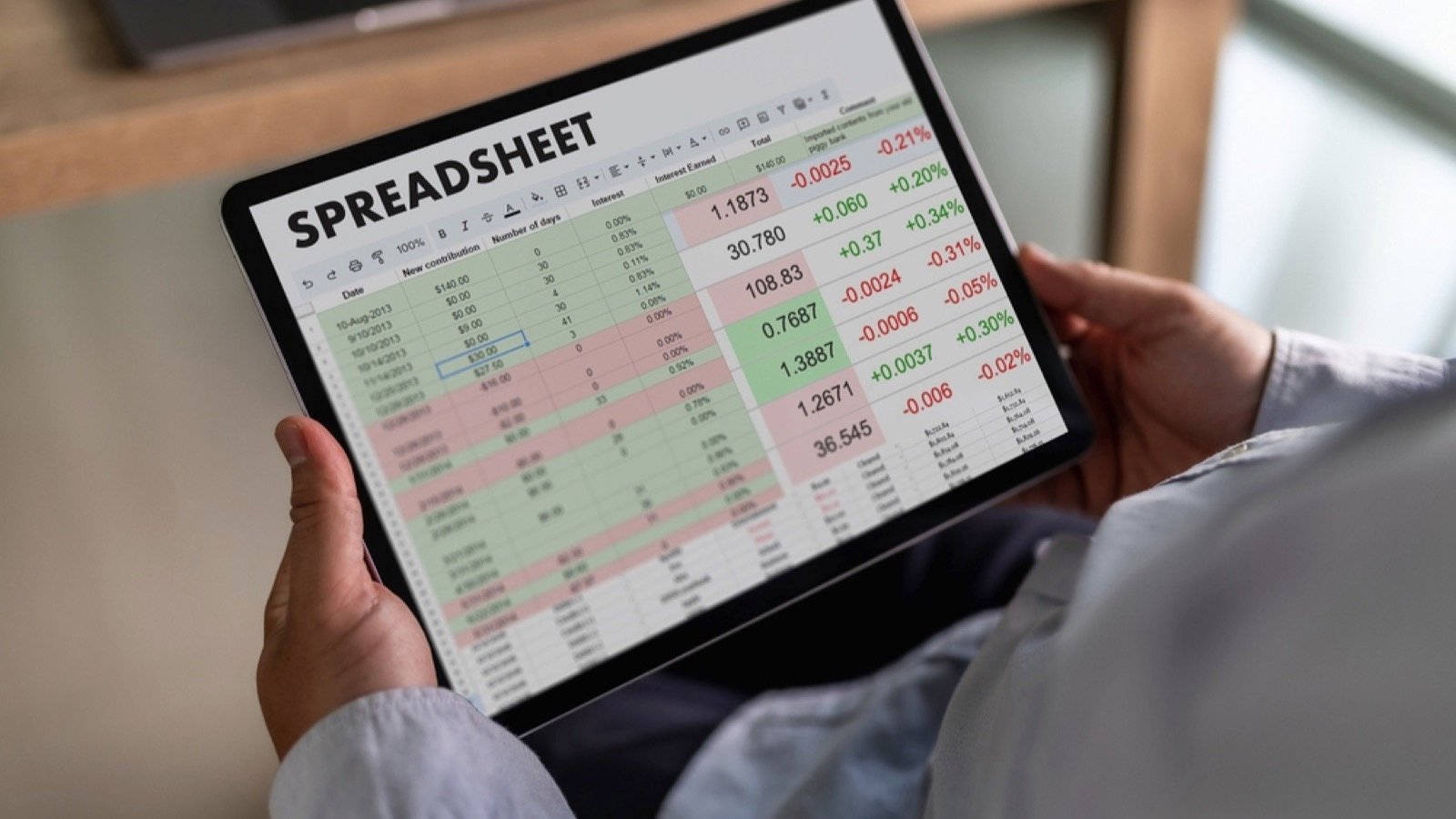
Some will always default to pen and paper, but an online spreadsheet is the best option for making a monthly budget plan. It’s more accurate, less prone to human error, and will handle all the calculations.
3. Set Targets

What are you budgeting for? Is there a big purchase on the horizon, such as a new car or a family wedding, or are you aiming to reduce debt? Whatever your situation, a budget is more effective when a plan is in place.
4. Include Everything

Is there something you’ve overlooked? Does a monthly Netflix subscription or a phone contract for your children fly under your radar? A budget can only work if you include everything, so remember to check your card and bank statements thoroughly when compiling your spreadsheet.
5. Remember to Update

Bills change constantly, and we must be aware of amendments. When utilities rise, subscription rates change, and weekly shopping costs increase, you must continue working so your budget reflects those extra outgoings.
6. Set Realistic Sums

Be realistic with your spending. Utility bills, mortgages, and rent are set sums at the start of each month, but shopping and car fuel costs are flexible. Don’t fall into the trap of reducing your variable outgoings to fit the budget. This will lead to problems.
7. Be Realistic With Income

As a self-employed worker, one mistake I make is being too ambitious with my income. I set unrealistic targets based on how many hours I can physically work in a day. If you’re on a fixed contract, this isn’t an issue, but unrealistic income goals can be a problem for the self-employed.
8. Earning Extra Income

If there’s a shortfall in your budget and you’re on a fixed salary, there are ways to boost your income. Getting a side hustle is an option, while all households should consider selling items they no longer need. Auction sites and local marketplace pages offer an ideal solution.
9. Check and Track Monthly

Return to your spreadsheet at the end of each month and check if you have hit the targets. If your income and expenses do not fit the original plan, this is the time to make adjustments ahead of the following month.
10. Automate Payments

Direct debits and standing orders mean you never have to make late payments. Getting all household utilities onto this platform is sensible unless you are 100% certain you are not missing a deadline. Late payments result in penalty charges, which will affect your budget plan.
11. Divide Annual Costs

The costs for more significant spending, such as an annual family vacation, cannot be spread over monthly payments. However, these should still be included in your monthly budget plan. If you know the likely cost or can make an educated guess, divide that by 12 and place the money into a savings account.
12. Review Your Outgoings

Now that you’ve listed all your expenses, it’s an excellent time to consider whether you can save money by switching providers. Keep track of all home and car insurance renewal dates to compare when they are due. Utilities and TV subscription packages may be flexible outside of a fixed contract.
13. Address Overspends

You should look at bills carefully if certain payments regularly exceed your allocation. Shopping and car fuel are the two most significant danger areas, but it’s possible to address them. Consider shopping at cheaper stores or see if you can cut down on some store cupboard regulars. Combine trips and take advantage of any loyalty programs to save on fuel.
14. Keep Receipts

When reviewing your budget at the end of each month, checking your card payments is an excellent way to ensure everything is in order. Keeping receipts means you can confidently challenge any unexpected entries or a charge that doesn’t align with your expenditure.
15. Build an Emergency Fund

Reducing debt is a priority, but building an emergency fund is essential. Even a tiny percentage within the 50, 30, 20 rule will help when unexpected repairs and emergencies appear. My recent minor traffic violation is a perfect example.
17 Items to Cut From Your Budget You Won’t Miss

Are you feeling the pinch in your wallet? You’re not alone – many of us are looking for ways to save money without drastically changing our lifestyles. But what if we told you there are things you’re spending money on right now you wouldn’t even miss if they were gone? Yes, you read it right! This blog post is all about those sneaky budget items that are quietly draining your bank account. We’ve rounded up 17 items you can cut from your budget today. So, let’s dive right in and save more of your hard-earned money!
30 Tricks to Save on the Electricity Bill No One Talks About

Utility bills are inevitable, but you can reduce your consumption and spending. Here are thirty uncommon tips to help you be more energy-conscious, benefiting the planet, your wallet, or both.