
Disclosure: This post may contain affiliate links, meaning if you decide to make a purchase via my links, I may earn a commission at no additional cost to you. See my disclosure for more info.
If money wasn’t a concern, how many trips would you plan each year? Many people say they would love to travel more but struggle to find a way to stretch their budgets.
You don’t have to exhaust your savings to see the world and all its wonders. With a little resourcefulness and the right money-saving travel hacks, binge traveling on a budget is no problem. At first, you may be able to add a day or two to each trip, and before long, you’ll soon find you’ve saved enough to budget another trip.
We carefully selected the most commonly reshared money-saving travel hacks from veteran tourists who have been everywhere possible. Implementing just one or two of these tips will benefit you financially, even if you just choose to save the money.
1. Travel During the Off-Peak Season

This is the oldest and most time-tested trick in the books. Flights, accommodations, and attraction sites are listed for half their peak period prices in the off-season. Off-peak travel brings the personalized, intimate feel you can only experience when the tourists are home.
Different destinations have varying off-peak seasons. Consulting a travel calendar as you plan your trip will reveal the most cost-effective periods. In Europe, November and March are the off-peak seasons, as they are in Japan, China, and Taiwan in Asia.
2. Compare Airline Prices Before Booking

Airlines work on the principle of demand and supply. Patronage determines the price of flight tickets, not necessarily the travel distance or seat choice.
Some websites can help you compare airline ticket prices to get the best deals. Skyscanner is good for finding the cheapest flights quickly. Use Google Flight if you’re looking for value trips that allow you to book directly from airlines and hotels without intermediaries, saving money in the process.
3. Book Ahead of Time

Demand isn’t the only factor affecting airline and hotel ticket prices. How long you book your ticket before your flight date can also influence flight costs.
Airlines and hotels offer lower ticket prices when you book early, say weeks or months before your travel date. The more tickets and hotel rooms are unsold before you book, the cheaper it becomes.
4. Lodge in Budget Accommodation

Luxury accommodations attract many likes and comments on your Instagram story but are extremely expensive and will drain your wallet.
Traveling during the off-peak season, you can get three-star hotels at unbeatable prices unavailable to peak-season travelers. Five-star hotels, even when subsidized, may be too expensive for a frugal traveler. A three-star hotel is good enough for the average traveler, especially on a budget.
5. Negotiate Prices

There’s no absolute price for anything. Negotiate anytime you can. Lower the cost of a taxi ride and slash the price of groceries at the local market.
Contact the host for a discount instead of booking through Airbnb or hotel accommodations from a fancy website. Ask hotel managers for a price cut, especially if you’re staying for a while.
6. Travel Light
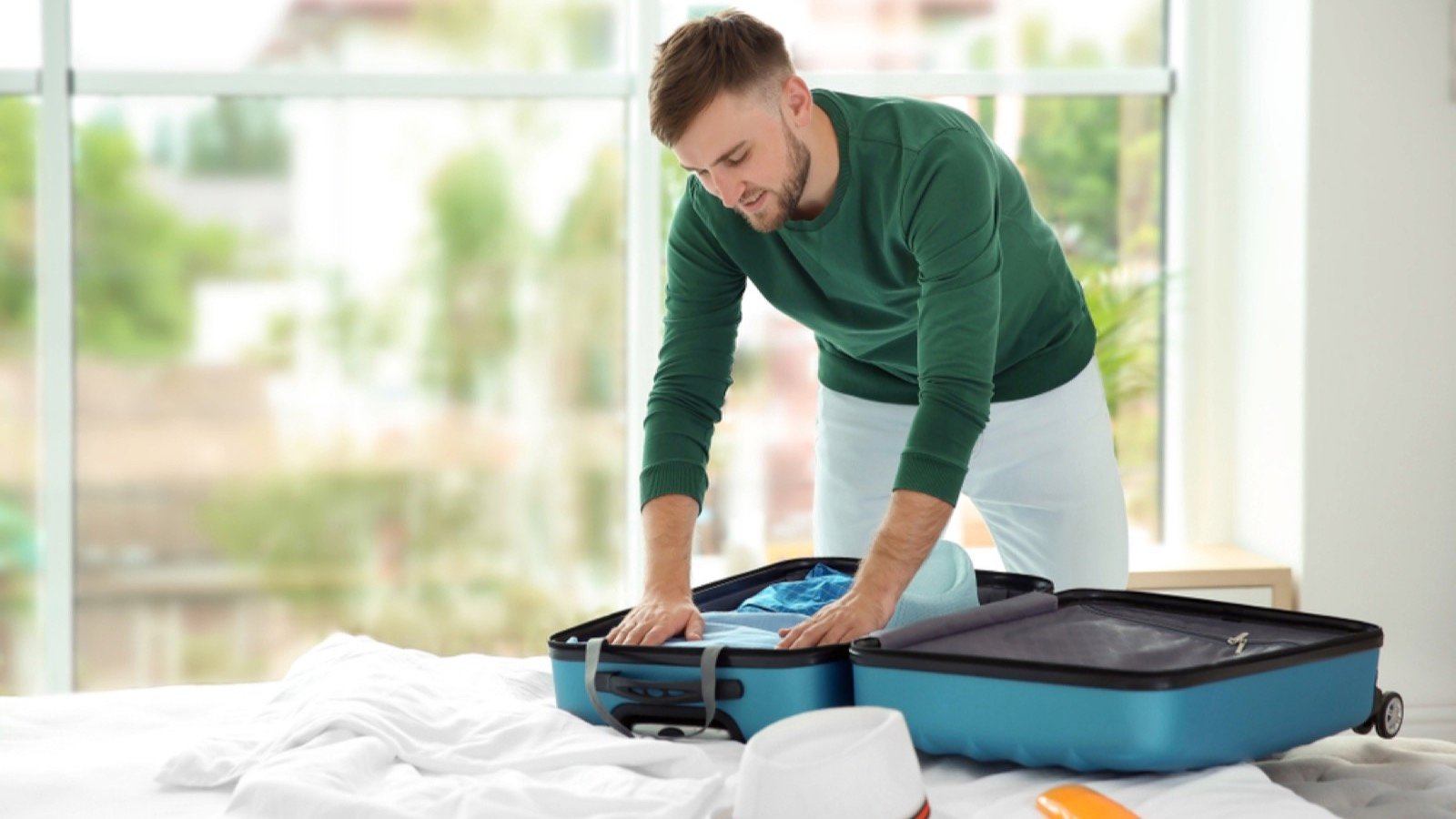
Finding cheap flights does not give you a pass for your luggage fees. U.S. airlines charge more than $35 for every checked bag. When traveling on a budget, prioritize the “must-haves” over the “feels great to have.”
Opt for multi-functional fabrics that are adaptable to different needs, as opposed to clothing with a single-use. A packing list clarifies which items make your journey smoother without incurring additional baggage fees.
7. Travel in Group

Group travel can significantly reduce your expenses since you share costs with others. You can share hotel rooms, carpool when moving, and make new connections for a fraction of the expenses you would incur as a solo traveler.
For some adventurers, solo traveling can be lonely without a caravan to share the awe of the wonders they’re experiencing. However, you’re also more secure traveling in a group than alone.
8. Look for Low-Cost or Free Activities

Every destination has attractions that don’t charge an entrance fee. You can visit Notre Dame and the Luxembourg Garden in Paris for free. The same holds true for the Tegalalang Rice Terrace and Campuhan Ridge Bali.
Low-cost and free sightseeing aren’t only cost-effective but also offer the charm derived from seeing new frontiers with a broader audience. Since there’s no financial commitment involved, you can change your itinerary as you please.
9. Get a City Tourist Card

You may be able to get a city pass if you’re in a place with many hotspots you don’t want to miss. A city pass gives you unfettered access to major attractions at a discount.
Some cities, like Paris and London, let you ride public transport for free if you have a tourist card, saving you more than you would pay individually to see those points of interest. Check whether you need to purchase these cards before you start traveling since many cities don’t allow tourists to purchase them after they arrive.
10. Get a Room With a Kitchen

You don’t want to spend all of your budget on dining out. Cooking your own meals helps you eat cheaply while on an adventure. Many hotels and Airbnb rentals provide kitchen access for guests to cook their meals.
Besides saving on meals you cook, you can also eat healthier, ensuring the use of ingredients that don’t trigger allergies. You don’t want to get sick while on the move, as emergency medical bills could wipe out your budget quicker than anything else.
11. Ditch the Taxis and Rental Cars

Taxis and rental cars may seem like your only means of transportation when you arrive in a new city, but they are not cost-effective. To save on transportation, research about moving around your destination using public transport before leaving for your trip.
Public transport is always a cheaper option, regardless of where you are. Europe, for example, has some of the world’s most effective transport systems. In places without efficient public transport (some parts of Africa, for instance), you may want to share rides through features like UberXShare.
12. Use Cashback and Reward Programs
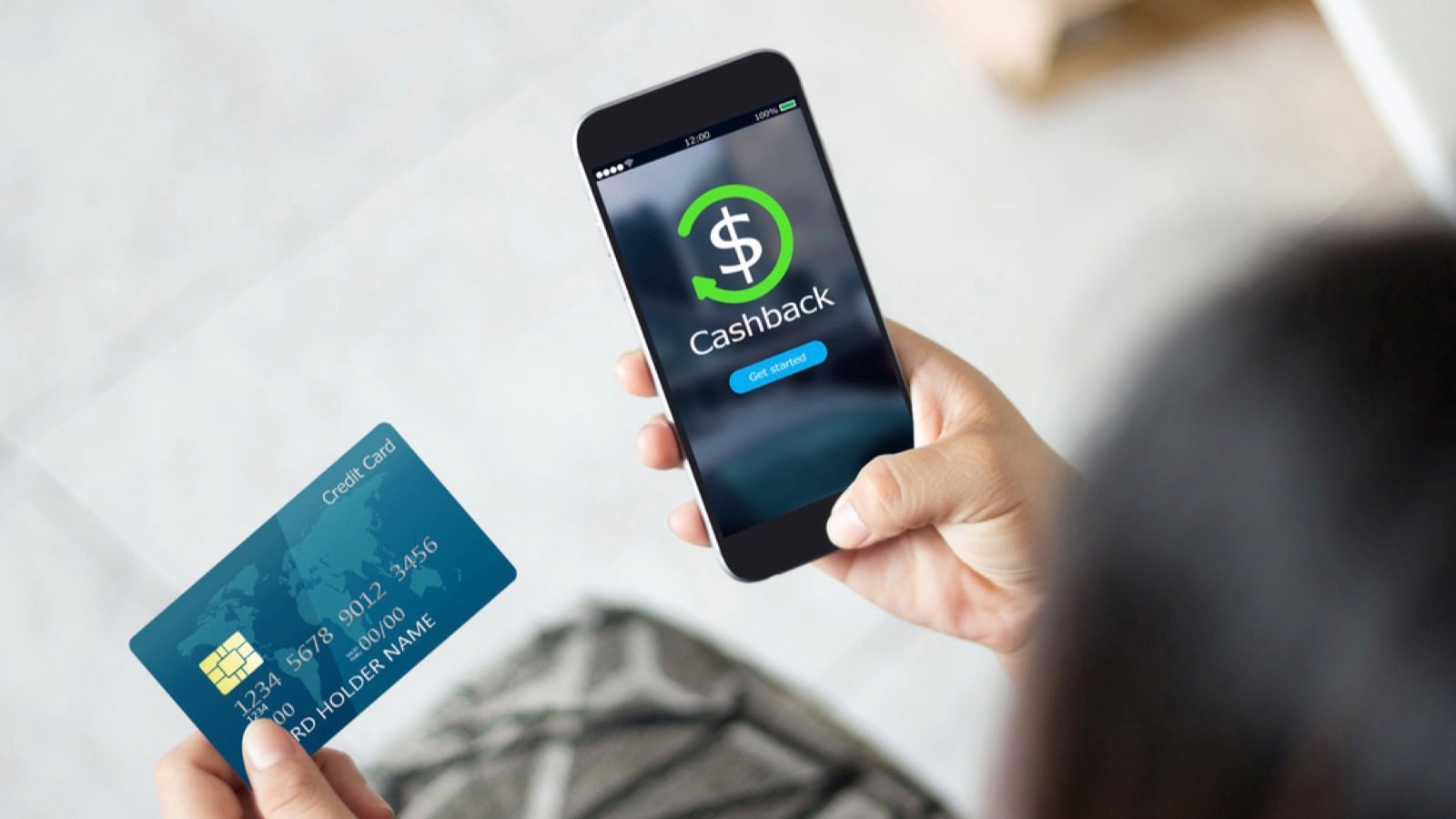
You’re a budget traveler, and every dollar matters. Get travel credit cards with cashback and reward programs, which allow you to save on flights, accommodation, and other travel-related expenses. Credit card companies offer substantial sign-up bonuses with simple terms to attract new users, like meeting a minimum spending requirement.
One way to maximize your hunt for cashback and reward programs is to target high-reward cards for the things you need most. If you frequent hotels, for example, a cashback on accommodations perk will serve you better than the one you get from buying souvenirs online.
13. Get Travel Insurance

Travel insurance may seem like an unnecessary cost if you’re trying to save money on travel. Still, getting one is in your interest because while you hope to travel safely without hiccups, preparing for emergencies is wiser.
You could get sick, have a car crash, or lose your luggage while moving. The type of travel insurance you buy will depend on where you’re going and the coverage you seek.
14. Use a Local SIM Card

When you’re far away from home, the cost of roaming on calls and accessing internet data can climb quickly. Consider buying a local SIM card at the airport, supermarket, gas station, or convenience store when you arrive at your destination.
A local SIM card cannot be an afterthought unless you have no intention to make a call or use the internet when traveling. Also, research which calling plan is the most cost-effective for your new card. Some plans favor callers more than they do heavy internet data users. Instead of making international calls directly when traveling, consider WhatsApp calls or Facetime, which are usually cheaper.
15. You Need a Reusable Water Bottle

Spending between $1 and $5 on bottled water is not cheap when considering how many bottles you need to take in a day. Traveling with a water bottle means you can quickly refill on the go, which could save you tens of dollars by the end of the week.
Be careful if you drink the tap water at your destination. Most Western European countries have safe tap water, but few in Asia do. The U.S. has some of the safest tap water for drinking, but read the safety standards before refilling.
The 41 Biggest Wastes of Money

If you’re looking for ways to earn more money to put toward your goals, start by examining your spending habits. By tracking your spending and seeing where every dollar goes, you’ll likely find several instances of spending money you don’t have to. It could be little things that add up or recurring monthly expenses that are an utter waste of money.
Once you eliminate your bad spending habits, the money you save can go toward your emergency fund, paying off debt, or other essential things. Here are the 41 biggest wastes of money to look out for.
- Read More: The 41 Biggest Wastes of Money
15 Activities Now Out of Reach Amid Economic Price Surge

In this era of profound social division and discord, one thing everyone can agree on is worsening conditions for healthy personal finance. Whether it’s the dream of homeownership, the goal of building a robust investment portfolio, or simply affording necessities like food, individuals across the spectrum struggle to overcome the decline in their financial well-being due to economic changes.