
Disclosure: This post may contain affiliate links, meaning if you decide to make a purchase via my links, I may earn a commission at no additional cost to you. See my disclosure for more info.
Finding effective strategies to reduce debt, especially with a limited income, is challenging but not impossible. I’ve been there. It’s tough, but you can use some smart strategies to dig yourself out of debt, even with a low income. With the average person having $17,000 of debt between personal loans and credit cards, it’s easy to get into financial trouble.
1. Stop Taking on New Debt

The fundamental rule in debt management is to stop accumulating new debt. It’s tempting to juggle debts between different sources, but this often exacerbates the problem. Avoid opening new credit accounts or taking out loans unless they serve a strategic purpose, like a balance transfer card with a 0% APR period or a consolidation loan with lower interest. The key here is restraint and mindful spending.
2. Confront Your Total Debt

Ignoring your debts only makes them more daunting. You’ve got to face them head-on. Compile a comprehensive list of every debt you owe, noting interest rates and potential late fees. This clear financial picture is the first step towards building a feasible debt repayment strategy.
3. Implement a Detailed Budget

A usable budget is your way out of debt. Don’t skip this step. List your income sources and fixed monthly expenses, like rent or mortgage payments. Deduct these from your total income to determine your disposable income.
Allocate a portion for essential variable expenses and commit the rest to debt repayment. Regularly revisiting and adjusting your budget is key to freeing up more funds for debt elimination.
4. Tackle Smaller Debts First

The debt snowball method advocates for paying off smaller debts initially, regardless of interest rates. This approach provides psychological wins, keeping you motivated. For example, once a small credit card debt is cleared, redirect its payment towards the next smallest debt, and so on.
5. Shift Focus to Larger Debts

After you clear small debts, consider the debt avalanche method. This method involves paying minimums on all debts while using extra funds to tackle the debt with the highest interest rate. It saves you more in the long run by reducing the interest accrued over time.
6. Pursue Additional Income Streams

With the gig economy, you can augment your income by selling your services and skills. From ride-sharing to freelance work, you can channel any additional income towards debt repayment, accelerating your journey to a debt-free life.
7. Strengthen Your Credit Scores
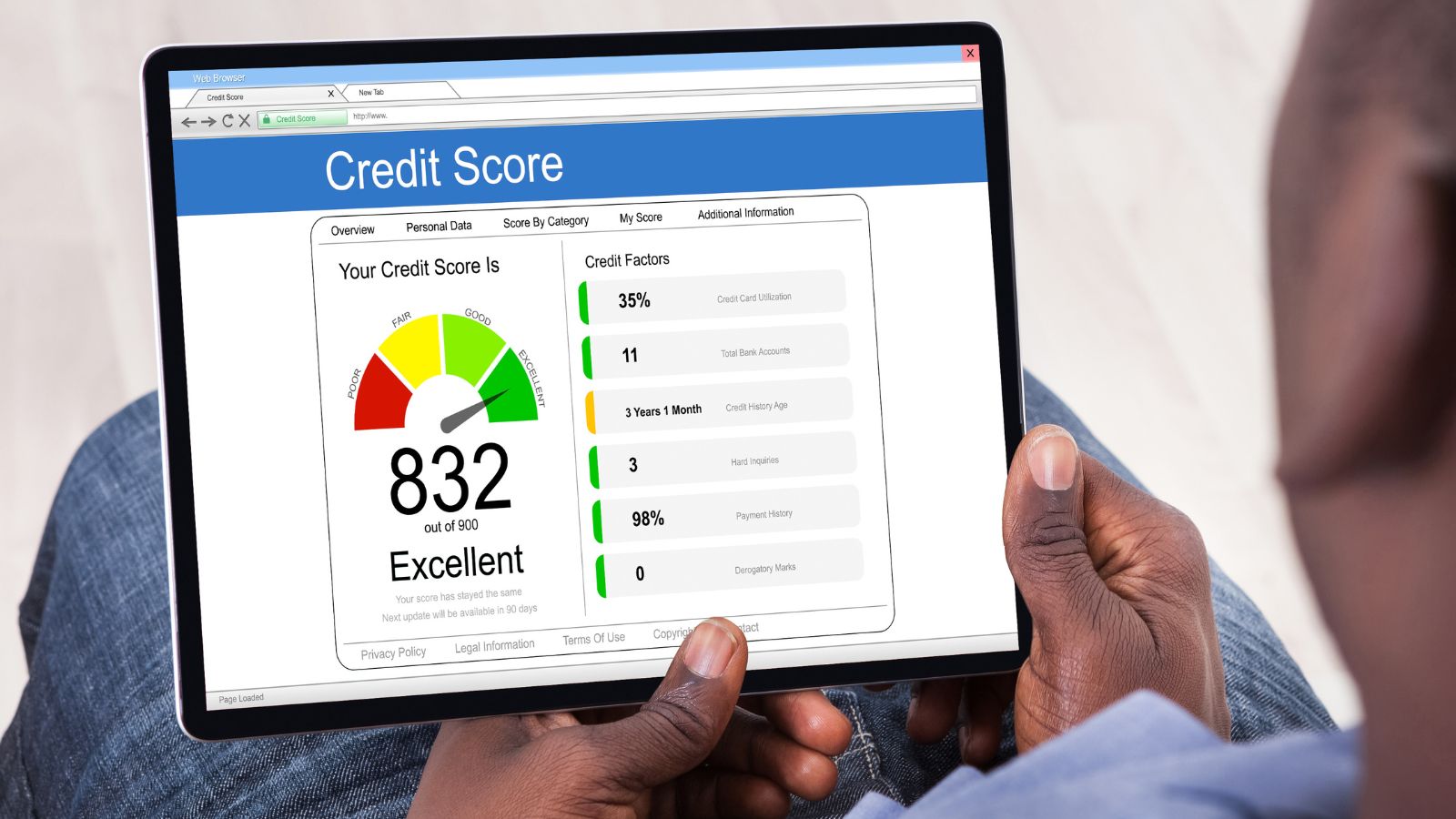
A strong credit score can lead to lower interest rates on loans and credit cards, reducing the amount you pay over time. Regularly check your credit report for inaccuracies, make timely payments, and keep your credit utilization below 30%. Improving your credit score opens up opportunities for better debt consolidation products.
8. Consider Debt Consolidation and Relief Options

When interest becomes unmanageable, debt consolidation or relief might be necessary. Debt consolidation combines various debts into a single loan with a potentially lower interest rate. While more drastic, debt relief involves negotiating for a reduced debt settlement but can adversely affect your credit score.
9. Optimize Your Budget With the 50/30/20 Rule

A balanced approach to managing your income can be crucial in tackling debt. A practical method is the 50/30/20 rule. Aim to spend no more than 50% of your income on essential expenses like housing and utilities. Then, allocate 30% for your wants – these are the non-essentials that bring joy and comfort to your life.
You should allocate the remaining 20% to savings and paying down debts. Given your focus on debt reduction, consider diverting a portion of your ‘wants’ budget to make extra debt payments. This strategy can accelerate debt clearance and save you considerable amounts in interest over time.
10. Identify and Curb Overspending Habits

Recognizing and addressing overspending is a massive step towards effective debt management. Signs of overspending include struggling to meet savings targets, impulsive purchases, and frequently deviating from your spending guidelines.
To combat this, a robust budget is your first line of defense. Review your credit card statements every month to pinpoint areas where your spending doesn’t align with your budget.
Cultivating new habits, such as preparing meals at home instead of dining out, can significantly cut costs. These small behavioral adjustments can lead to substantial savings, redirecting more funds toward your debt reduction.
11. Use Tax Refunds Wisely

If you receive a tax refund, resist the temptation to splurge. Instead, use this extra cash to make a significant payment on your debts. It’s a once-a-year opportunity to reduce your debt load substantially.
12. Negotiate Lower Interest Rates

Contact your creditors to negotiate lower interest rates on your debts. Even a small reduction can save you a lot over time, making paying off the principal balance easier. Although taking this step is anxiety-inducing, you’ll likely be pleasantly surprised at just how willing creditors are to negotiate and help you settle the debt.
13. Sell Unwanted Items

Look around your home for items you no longer need or use. Selling these items online or through garage sales can provide additional funds to put towards your debt. This is definitely not a long-term solution, but it does help you reduce your debt quickly.
14. Implement a Cash-Only Policy

Limit your spending by using only cash for discretionary purchases. This is a tangible way to see and feel your spending, helping to curb impulse buys. I found this one helpful, as I was more reluctant to spend my dwindling cash than my less tangible digital balance.
15. Take Advantage of Balance Transfer Offers

Consider transferring the balance to a 0% introductory APR card if you have high-interest credit card debt. This can give you a breather from interest and help you pay down the balance faster. Note that I’m not suggesting you take on more debt as such. But you can take a balance transfer offer to permanently remove the higher-interest debt. Just resist the temptation to fill up the higher-interest card you just moved to the zero-balance one.
16. Explore Community-Based Financial Assistance

Investigate local community resources that offer financial assistance or counseling. Many communities have non-profit organizations that provide free or low-cost financial advice, debt management plans, and sometimes even grants or loans to help those in financial hardship. Leveraging these resources can give you a much-needed boost in your debt reduction journey.
17. DIY Food and Meal Prep

One significant expense for most people is food. Learning to cook and prepare meals at home can significantly cut down on eating out costs. Meal prepping can save time and money, allowing you to allocate more funds toward paying off debt. Embrace bulk buying and cooking, which can further reduce your food expenses.
18. Opt for Free Entertainment Options

Cut entertainment costs by exploring free activities in your area. Parks, community events, and free museum days can provide entertainment without impacting your budget. Visit them if you’re still fortunate enough to have a local library. You’ll find games, books, DVDs, and sometimes even a streaming service as part of their free entertainment offerings.
19. Learn New Skills

Learning new skills that let you repair an item instead of replacing it saves you from taking on extra debt or missing debt management payments because you had to buy something new. It could be as simple as patching, fixing up, or repurposing old clothes. Or you could learn how to do basic DIY around the home so you don’t have to call in a handyperson whenever something minor needs fixing.
20. Regularly Review and Adjust Your Budget

Your financial situation can change over time. Regularly review and adjust your budget to align with your current income, expenses, and financial goals. For example, once you’ve paid off a small debt, look at your budget to determine where best to allocate the income you’ve freed up.
21. Adopt a 24-Hour Rule for Major Purchases

Implement a 24-hour waiting period before making any major purchases. This cooling-off period can help you avoid impulsive spending and ensure your purchase aligns with your financial goals and budget. This tip has been great for my financial health, as I lean toward the impulsive, especially regarding new craft supplies.
22. Use Money-Saving Apps and Tools
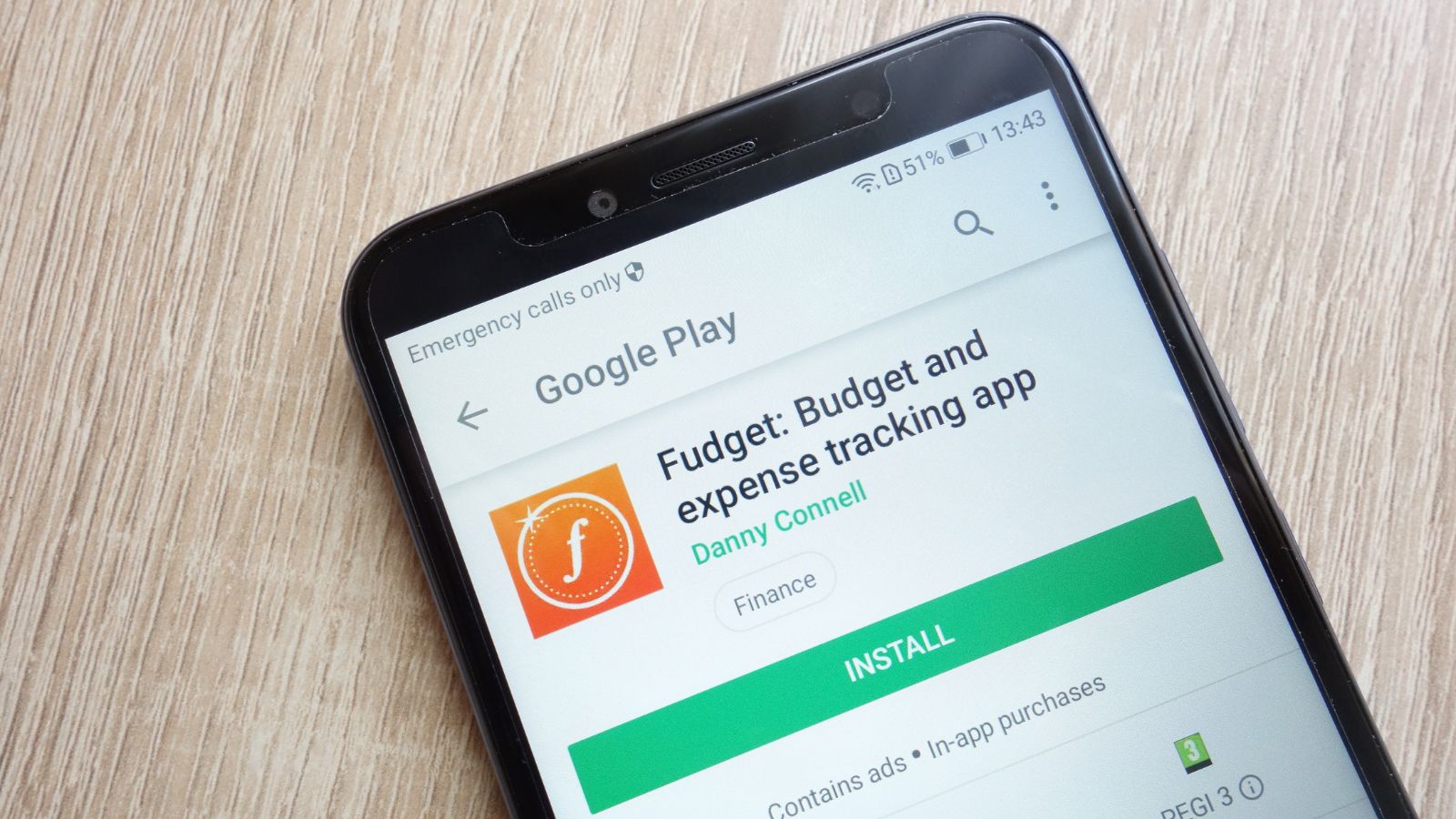
Embrace technology using budgeting apps and tools that help track expenses and manage finances. Many apps offer features like expense categorization, budget setting, and alerting you when you’re close to exceeding your budget limits. Utilizing these tools can provide clarity and control over your finances, aiding in debt reduction.
23. Reduce Utility Costs

Examine your utility usage and find ways to cut back. Simple changes like using energy-efficient bulbs, reducing water usage, or implementing a programmable thermostat can lower monthly bills. Lower utility costs mean more money available to chip away at your debt.
24. Reward Yourself

Cutting back and working extra gigs is exhausting. And constantly living in a state of overwork and austerity is impossible to maintain. So reward yourself. Set small goals and celebrate with something that brings you joy, whether it’s a fancy dinner at a restaurant, that new set of crochet hooks, or jewelry awls. Don’t go crazy and blow your budget, but celebrate the small wins. And leave a little room in your budget for the occasional treat.
25. Take Advantage of Employer Matching for Retirement Savings

If your employer offers a retirement savings plan with matching contributions, ensure you contribute enough to get the full match. This is essentially free money that can bolster your long-term financial health, even as you focus on debt reduction.
The Purpose of a Budget and 11 Reasons Why You Need One

The primary purpose of a budget is to track your income and expenses. A budget also ensures your bills are paid on time, helps you plan for the future, helps identify any bad spending habits or areas where you could reduce your spending, and ensures that your spending reflects your priorities.
By creating a budget and sticking to it, you can ensure your needs are met, your bills are paid on time, you get out of debt, and you meet your financial goals.
The Purpose of a Budget and 11 Reasons Why You Need One
17 Practical Frugal Living Tips to Save Money

Frugal living isn’t about denying yourself or being stingy. It’s about spending money wisely and saving money where you can. But it’s hard to go from spending recklessly to being frugal. Frugal living offers many benefits that make it worth it. Living frugally will help you live within your means, get out of debt, build up your savings, and reach financial freedom. The frugal living tips below will aid you on your way.