Disclosure: This post may contain affiliate links, meaning if you decide to make a purchase via my links, I may earn a commission at no additional cost to you. See my disclosure for more info.
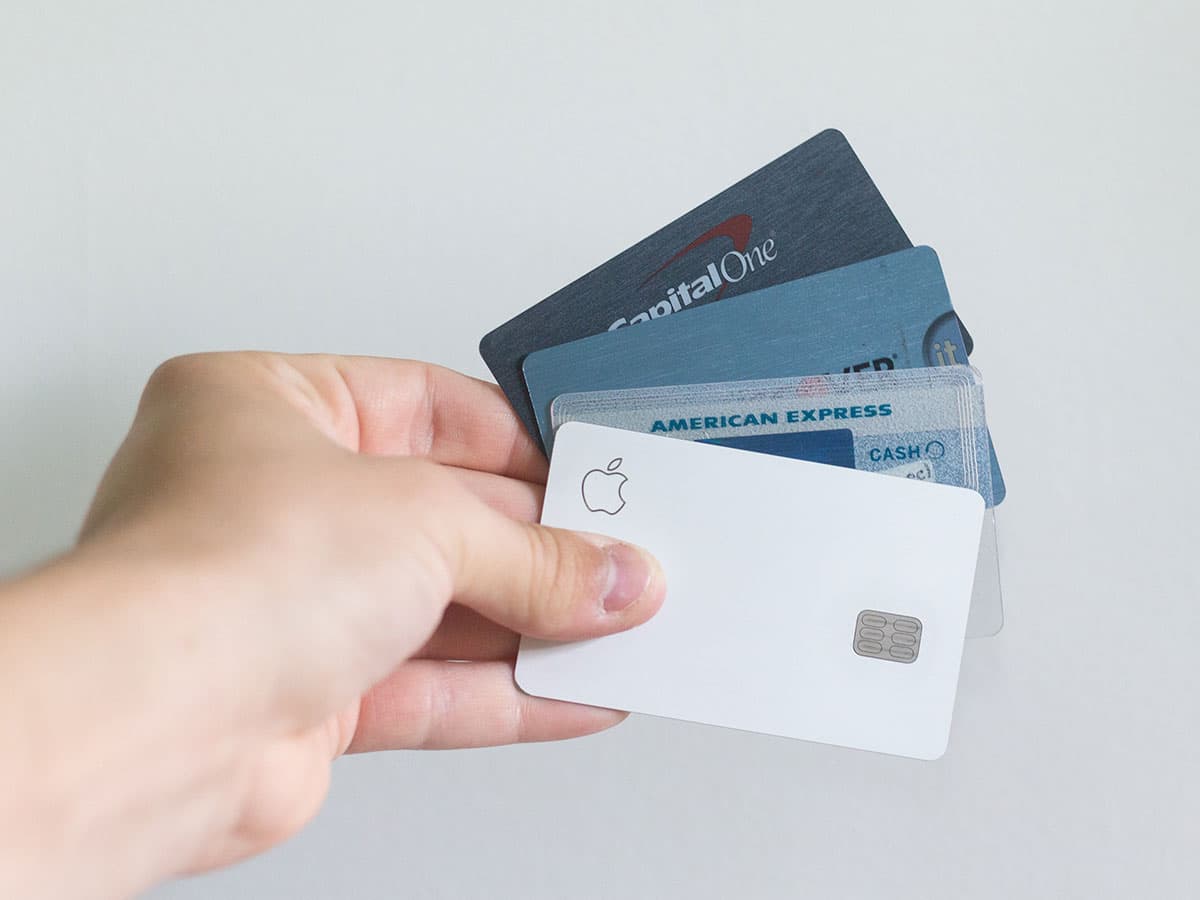
The numbers hit hard: $30,000 in credit card debt, interest rates climbing between 15% and 30%, compounding daily. Each statement showed a growing balance, even without new purchases. Like many Americans struggling with credit card debt, watching those numbers rise felt paralyzing.
The reality check? U.S. households now carry an average of $10,563 in credit card debt. Together, Americans hold a staggering $1.21 trillion in credit card balances. Quick fixes and minimum payments won’t solve this crisis. The path to zero debt demands strategy, dedication and a complete mindset shift.
My journey from $30,000 in the red to debt-free wasn’t magic. The debt snowball and avalanche methods formed the foundation, but daily habits made the real difference. This guide breaks down my exact approach – from the small changes that yielded big results to pushing through setbacks and the practical steps that finally broke the debt cycle.
The $30K Wake-Up Call: My Descent Into Credit Card Debt

The slide into debt started innocently enough. A few credit card spending conveniences here and there – morning coffee runs, new clothes, everyday purchases. Each swipe came with a promise to myself: “I’ll pay it off this month.” Those promises faded as quickly as the receipts in my wallet.
Shopping Habits That Built The Trap
Emotional spending became my default response to life. Bad day at work? Buy something nice. Feeling stressed? A little retail therapy should help. Good news to celebrate? Time for a reward. The pattern felt uniquely personal, until I learned that 47.3% of Americans carry revolving credit card debt just like me. My minimum payments grew larger each month, but I kept telling myself everything was fine.
The spending triggers piled up:
The truth hit when I read that 75% of Americans think about their debt multiple times every month. My own statements, avoided for months, painted a grim picture: interest rates between 15% and 20%, and over 30% of my available credit already used up.
The math turned terrifying. Making minimum payments on a $10,000 balance at 22% interest meant 11 years of payments and $16,043 in interest charges. Beyond the financial damage, my debt sparked constant anxiety, frustration, and shame – emotions that 40% of Americans with credit card debt know all too well.
The Debt-Free Blueprint: Building a Strategy That Sticks
The numbers stared back from my statements. A solid plan needed to replace panic. Rather than throwing random amounts at my debt, I needed a system that would actually work.
Avalanche vs Snowball: Picking the Right Method

Two clear paths emerged for tackling multiple credit cards:
The avalanche method promised more interest savings. Still, the snowball approach won me over. Quick wins would fuel my motivation – psychology backed by research showing early successes lead to lasting changes.
Monthly Targets That Actually Work
The 50/30/20 budget rule became my foundation – 50% needs, 30% wants, 20% split between debt and savings. Cold hard math revealed my true expendable income after essentials. Now I knew exactly what I could throw at my debt each month without setting myself up to fail.
Emergency Fund: The Safety Net

Smart debt payoff starts with preventing new debt. Instead of chasing the traditional 3-6 months of expenses, I built a modest $2,467 emergency cushion. This money meant unexpected costs wouldn’t force me back to credit cards and derail my progress.
Yes, this choice slowed my initial debt payments. But it also meant one car repair or medical bill wouldn’t undo months of progress. With my safety net ready and strategy set, the real work could begin – changing my daily money habits.
Daily Money Habits That Finally Moved The Needle
The small stuff matters most. My emergency fund gave me breathing room, but daily spending choices determined success or failure.
Money Rules That Actually Stuck
Cash-only living became my 30-day challenge. No cards meant no impulse buys – simple but powerful. The rules grew from there:
- Image Credit: Shutterstock.[/caption]
My credit card app became command central. Push notifications hit my phone for every purchase, making spending real and immediate. Weekly balance checks turned into a grocery shopping ritual.
The careful tracking paid off. Three times that year, suspicious charges showed up on my statements. Each one got caught and disputed immediately. Automatic payments killed late fees, while extra payments above the minimum ate away at the principal.
A simple spreadsheet turned into my spending truth machine. Every dollar got a category. The numbers didn’t lie – they showed exactly where I could cut back and funnel more money toward debt. Those visual patterns kept my eyes on zero debt, no matter what.
When Life Hits Your Debt Plan: Staying The Course
Perfect plans crack under real life. My debt payoff journey met plenty of those cracks – each one testing whether I’d stick to the plan or slide backward.
Real Money, Real Problems
The emergency fund wasn’t just nice to have – it saved me. While 61% of adults can handle a $400 surprise with cash or savings, that number used to terrify me. That saved money meant a car repair didn’t turn into new credit card debt.
The mental game proved tougher than the money math. Everyone faces those unexpected hits – car troubles, medical bills, emergency travel. The trick? Seeing these moments as speed bumps instead of roadblocks.
Zero-Cost Celebration Strategy
Smart credit card debt payoff means finding ways to celebrate without spending. The whole process turned into a game – research backs this up, showing how game-like goals keep people pushing forward.
My celebration playbook stayed simple:
- emergency fund made freedom stick.
Small shifts created the biggest wins. Cash-only living forced honest spending. Expense tracking revealed truth in numbers. Progress celebrations cost nothing but meant everything. When life threw curves, saved emergency money stopped the backslide into fresh debt.
Debt freedom rarely follows a straight line. Most paths twist between progress and setbacks. The secret lives in keeping your eyes forward while giving yourself room to stumble and recover.
Credit card debt – whether $30,000 or $3,000 – doesn’t define your future. Freedom starts with a small emergency fund. Pick your method – snowball or avalanche. Track every dollar like it matters, because it does. Watch those balances drop. Feel your confidence rise. The cycle breaks when you decide it breaks.

FAQs
Q1. What is the debt snowball method and why is it effective? The debt snowball method involves paying off the smallest debts first while making minimum payments on larger ones. It’s effective because it provides quick wins, building motivation and momentum as you see progress in eliminating individual debts.
Q2. How important is an emergency fund when paying off credit card debt? An emergency fund is crucial when paying off credit card debt. It helps prevent new debt from unexpected expenses, allowing you to stay focused on your debt payoff strategy. Even a small emergency fund of around $2,000 can make a significant difference.
Q3. What are some daily habits that can help in paying off credit card debt? Key daily habits include tracking every expense, using cash for purchases, waiting 24 hours before non-essential buys, and regularly reviewing credit card statements. These habits increase awareness of spending patterns and help maintain focus on debt reduction.
Q4. How can I stay motivated during the debt payoff process? Stay motivated by setting small, achievable goals, tracking progress visually, and rewarding yourself with free or low-cost celebrations. Viewing setbacks as temporary pauses rather than failures can also help maintain long-term motivation.
Q5. Is it better to use the debt avalanche or debt snowball method? The choice between debt avalanche (focusing on highest interest rates) and debt snowball (paying smallest balances first) depends on personal preference. While the avalanche method saves more on interest, the snowball method often provides psychological benefits that keep people motivated to continue paying off debt.