Disclosure: This post may contain affiliate links, meaning if you decide to make a purchase via my links, I may earn a commission at no additional cost to you. See my disclosure for more info.
Many people struggle to save money these days. Prices are going up, and wages are stagnant for many. So, finding ways to save can be hard.
However, making minor adjustments to your spending behavior can lead to substantial savings in the long run. To save more, it’s important to identify which habits genuinely contribute to these savings and which do not.
One user inquired about the most effective money-saving practice, prompting the compilation of a list featuring the top 17 choices. These 17 Sneaky Money-Saving Hacks
have proven to be instrumental in helping individuals accumulate significant savings over time.
1. The Art of Haggling

A contributor offered this valuable insight, emphasizing the importance of negotiation, especially for significant expenses. In their mid-30s, they’ve amassed substantial savings—over $100,000 throughout their lifetime—by applying negotiation skills when making car purchases, acquiring homes, and considering job offers. While negotiation might not always be a comfortable process, the financial benefits greatly outweigh any temporary discomfort. This practice proves to be a potent tool for obtaining desired items and services at a significantly reduced cost.
2. Thrift Store Purchases
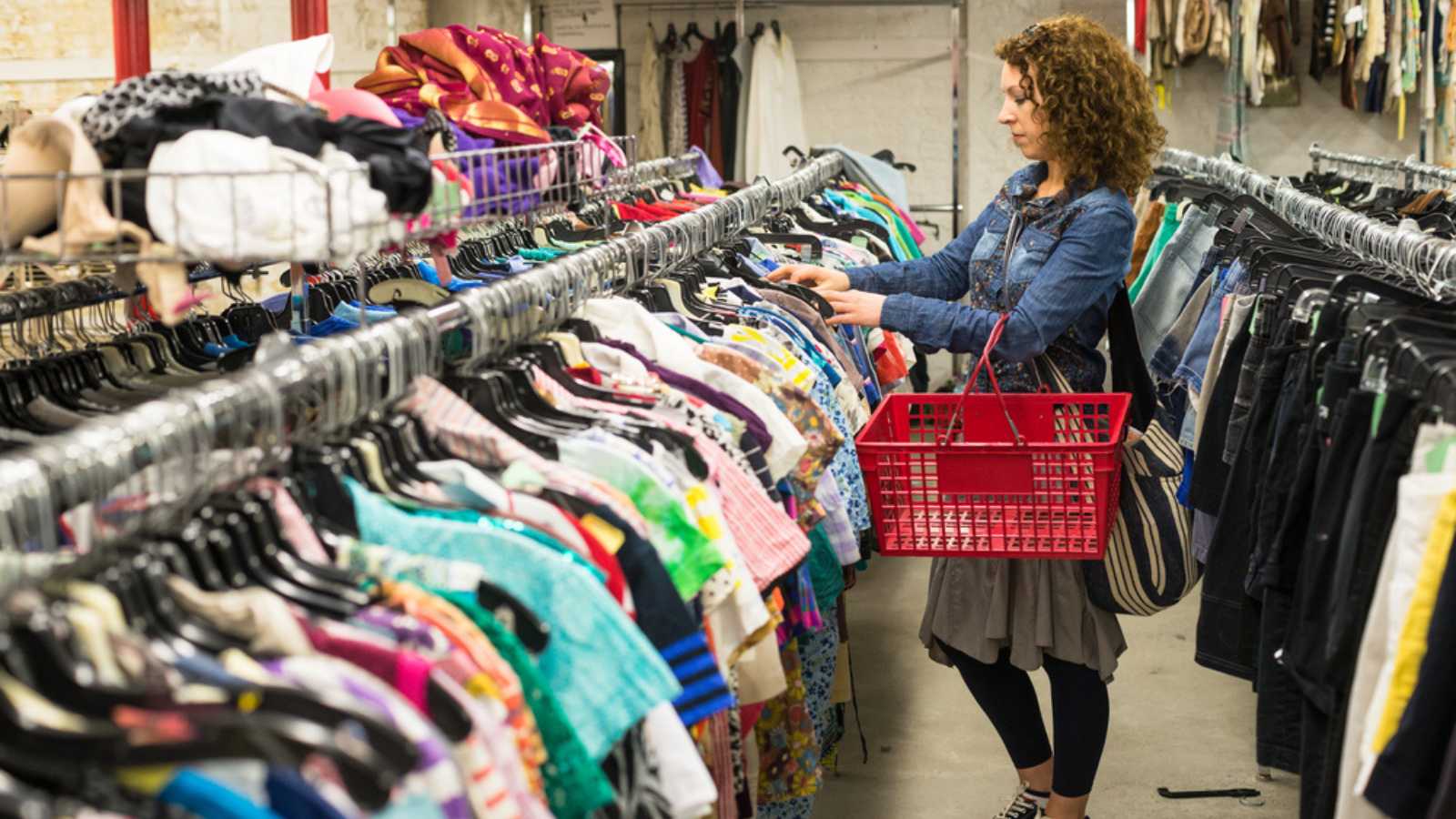
One person expressed their saving money tip by using thrift stores, “Secondhand clothing for my 9-month-old daughter. I spend around $50 a month instead of a couple hundred dollars. Infants/toddlers grow fast. Buying new clothes will break you unless you’re well off.”
Another individual shared their effective cost-saving strategy, revealing that they last spent over $50 on clothing for their three children in the past four years. They credit their success to the thriftiness of their mother and stepmother, both avid garage sale enthusiasts. The abundance of clothing from these sources has posed a storage challenge due to the need for more sizes of their dressers. This practice exemplifies the potential for substantial savings when utilizing thrift stores and garage sales to obtain quality items while adhering to a frugal budget.
3. Overpaying the Mortgage

A person chipped in with their thoughts on the discussion, saying, “Making extra payments on my mortgage. By the time I’m finished, I’ll have cut a few years and a couple of $ 10s of thousands off the full-term amount.”
Opting to make additional payments towards one’s mortgage is a reliable and proven method for achieving substantial long-term savings.
4. Spending Only Cash

“Trying only to spend cash. Swiping the card is too easy, and you end up hemorrhaging money, nickel-and-dime-ing yourself to death,” said one person on the thread.
Restricting expenditures solely to cash transactions presents a practical approach to preventing excessive credit card spending. This method offers enhanced ease in monitoring and maintaining financial control.
5. Spending on Video Games

One avid gamer explained, “World of Warcraft…15 dollars a month kept me from spending more than 15 dollars on entertainment for probably three years…”
For those seeking to economize, minimizing gaming subscriptions emerges as a practical step to curtail monthly expenses. A prudent approach for dedicated gamers might involve focusing on a single game at a time, thus streamlining their gaming-related costs. This strategy, while straightforward, can contribute significantly to financial savings, particularly for those who indulge in multiple gaming subscriptions.
6. Building up Savings

A contributor to the thread explained, “Pay me first. As soon as I get paid, I put $1500 in the bank. I’ve learned to train myself to forget about the money, so I never talk myself into making a withdrawal. Now it seems I don’t even want to use it because I’ve worked hard to build up that savings.”
Some contributors emphasized the significance of disciplined financial habits. One individual, for instance, revealed that every two weeks, they allocate $200 into their checking account, which is the sole account connected to their debit card. This arrangement ensures they have a weekly budget of $100 for miscellaneous expenses, effectively curbing impulsive spending. Another shared the practice of transferring a predetermined portion of their income directly into their savings account. This money remains untouched, reserved exclusively for covering bills. While developing this habit might have been challenging, they value it greatly, recognizing its importance for financial stability.
7. Quit Smoking

“My whole family does it, and it’s roughly 5$ a pack, lasting around 1-3 days. That’s at least 10$ a week, up to 40$ a week. Such a waste of money.” shared one about the habit of smoking.
Another individual reflected on their decision to quit smoking, sharing its pivotal factors. While they admitted to enjoying smoking, a shift occurred when they undertook a financial assessment. The cost of tobacco prompted them to reevaluate their habit, leading to the realization that quitting was a prudent financial decision. Additionally, concerns about the health risks, particularly the association with cancer, played a significant role in their choice to quit smoking.
8. Cooking at Home

“Making most of my food myself instead of ordering out all of the time.” said one.
One individual shared a comprehensive strategy for culinary savings, emphasizing the art of cooking and planning. They suggested mastering the culinary craft and organizing weekly dinner and grocery lists. Their approach included exploring various food items such as wines, cheeses, local produce, and fresh bread, all while minimizing waste. Although it requires time to become an expert, this journey is a perpetual exploration with endless learning opportunities. The ultimate result is the ability to create high-quality, cost-effective home-cooked dinners with wine or cocktails, enhanced by enjoyable extras like Redbox movies or indulgent pastries from the bakery.
9. Budgeting

“Also- taking 10 minutes out of the beginning of each week/month to budget, then ATTEMPTING to adhere to it.” explained another person in the discussion.
Allocating a mere 10 to 20 minutes per week or dedicating an hour each month to financial review and planning can yield substantial savings, potentially amounting to hundreds of dollars. This practice underscores the significance of regular economic assessment in maintaining fiscal prudence.
10. Meal Planning and Bulk Cooking

“I and the Mrs have created about 24 set menus; each is a week’s worth of meals. With these set menus is a complete shopping list. By sticking to this rather nerdy plan, we save money and have different things to eat every meal for 24 weeks at a time.” said another money-saving expert.
Yet another individual contributed their resourceful approach to cost-effective meal planning. They developed an online tool designed to facilitate a similar process. Users can input food preferences, dietary restrictions, and more information. In return, the device generates a weekly meal plan with corresponding recipes and a comprehensive shopping list. Additionally, the tool includes a “save-money mode” that prioritizes cost-efficient recipes. This approach underscores the significance of meal planning and preparing dishes in larger quantities as effective methods for reducing expenses while enjoying delicious and satisfying meals.
11. Avoiding Big Brands

“Not buying name brands. I mean, I compare the ingredients and see if it’s worth the extra two bucks.” one said about avoiding big brands.
An individual shared a valuable tip regarding shopping at Whole Foods. They pointed out that the store’s 365 brand frequently offers generic versions of high-quality products on the same shelf. This insight came from a Whole Foods employee, emphasizing the cost-effective potential of choosing 365 products. Additionally, they underscored that most butter originates from the same source, irrespective of the brand label. Another contributor advocated for the financial benefits of brewing coffee at home rather than frequenting popular coffee shops like Starbucks or Coffee Bean, emphasizing the potential savings in this simple practice.
12. Car Avoidance

“Riding my bike instead of driving. Last year, I went from May to December without paying for gas. Probably saved about $500.” one person said about leaving the car at home.
One individual has transitioned into bicycle commuting as a daily practice. This shift has yielded substantial financial benefits by effectively reducing their fuel expenses by approximately 50%. Instead of frequent fuel fill-ups, they now find themselves replenishing the tank only every two weeks, with the cost averaging $90 per visit. This transition exemplifies how leaving the car behind and opting for more cost-effective modes of transportation such as walking, public transit, or cycling can significantly contribute to savings, reflecting a thrifty approach to personal finances.
13. Drinking Water

“Drinking water. Not only saved me money, but I’m in much better shape.” one person added to the discussion.
Spending money on alcohol at bars is a source of ongoing guilt for them. They find it remarkable how much one can fritter away this way. For example, paying $8 for a single beer could buy them an entire six-pack instead. Furthermore, they frequently find that mixed drinks need to provide a sense of getting their money’s worth. It’s an aspect of their spending habits that consistently leads to them questioning the value of their expenditure.
14. Visiting the Local Library

“Hitting up the library online for free ebooks. Don’t have to leave the house, and never pay a fine again.” shared another on the thread.
In their pursuit of books and DVDs, they adopt a systematic approach. When they find a book of interest, they check Amazon and add it to their Wish List. Following this, they navigate to their local library’s website to verify the book’s availability. They note the book in the wish list comments if it is in stock. This system ensures they recognize library books and inadvertently purchase them. They find that approximately 8 out of 10 books they desire are typically available at the library, making this approach an efficient way to access desired reading material.
15. Work Out Your Earnings by Hours Worked

As a young individual who earns an hourly wage, the approach taken to determine the worthiness of a purchase is reasonably practical. Suppose there’s a new gadget on the horizon, priced at $20.00. The hourly earnings stand at around $7.25, making the cost of that gadget roughly equivalent to 3 hours of labor. The pivotal question that comes to mind is whether it’s reasonable to dedicate such a substantial chunk of time to acquire something that might offer only 20 minutes of utility. More often than not, the response is a firm “no.” This straightforward yet reliable strategy has consistently served as a means to save money.
16. Mastering the Art of DIY

“I often turn to the internet to acquire new skills instead of shelling out money for a so-called ‘professional’ to handle it,” one individual disclosed.
“When something breaks, my instinct is to assess whether I can repair it myself,” they explained. “My next consideration is whether I can manage without it. It usually takes a considerable amount of time and a genuinely significant issue for me to finally seek assistance from a professional. This DIY approach has led to substantial savings in various areas, from car repairs to patching up sheetrock or even resolving issues like a laptop’s power connection that required resoldering,” another individual shared.
17. Discover Cost-Saving Options

Back then, they embraced a similar approach to enjoying movies. A trip to the cinema costs approximately $9 for the ticket and an additional $12 for popcorn and a drink. This translated to roughly 3 hours of their hard-earned wages. They chose an alternative strategy: renting a new movie (before the rise of services like Netflix and Redbox) for a mere $3. To complete the movie night experience, they’d purchase popcorn and two 2-liter drinks for friends, totaling just $4. This approach allowed them to relish a delightful evening with friends, all for just 1 hour of work.