Disclosure: This post may contain affiliate links, meaning if you decide to make a purchase via my links, I may earn a commission at no additional cost to you. See my disclosure for more info.
On a recent Reddit thread, someone asked, “What should you never do when visiting America?” Loads of folks, both local and global, joined in. Whether you were born and raised in America or are a foreigner planning a trip, these responses give an interesting view into cultural differences you may have never known about. Getting the lowdown on things like tipping and local laws is crucial because the U.S. can be a total overload—but in a good way! So forget the cowboy hats and bald eagle souvenirs (unless you want them; no judgment). Bookmark this guide and thank yourself later.
No Open Alcohol

In most parts of the U.S., public drinking is a big no-no. Now, there are a few exceptions. A few states, like Nevada and Louisiana, have looser laws and allow open containers in many public places. And some cities within those states, like New Orleans and Las Vegas, even have designated “party districts” where you can let loose (responsibly, of course). However, if you’re anywhere else in the United States besides those cities, you’ll want to assume there’s no alcohol allowed on the street.
Never Rely on the Price Tag

Do you think that T-shirt is $20? Think again! That sneaky sales tax can confuse people from countries that don’t have it. Suddenly, your $20 T-shirt might be closer to $23 with tax (depending on the state). In many states, the price displayed on the shelf does not include the sales tax. This means your final price will be higher than advertised, as the tax is added at the register. So when in doubt, ask store staff if the displayed price includes sales tax—better safe than sorry!
Words You Should Never Say — Especially in Public

Some words shouldn’t be said publicly everywhere. It’s the same case in America. Although something like the “c-word” might be very common and not very offensive in England, in the U.S., this one is like a landmine. Using some swear words, even casually, can offend. The best way to experience America as a traveler is with an open mind, a kind heart, and a vocabulary that doesn’t rely on bombshells.
Do Not Cut in Line

Waiting in lines might not be such a big deal in other countries, but in the U.S., where everyone is short on time, we take our lines seriously. While cutting in line is not illegal, it’s considered extremely rude to do so. Americans are not always subtle and can be direct and vocal, considering they deeply value “waiting your turn.” But that’s not all—America’s gone digital. Every smartphone has a camera, and that line-cutting incident could be your starring role in the next viral video. Trust me, you don’t want that kind of fame.
Don’t Go to Dangerous Neighborhoods Because You Saw Them on T.V.

“The Wire” made Baltimore’s tough neighborhoods a tourist attraction, but not necessarily for the better. First, TV shows and movies often exaggerate or dramatize crime and poverty for entertainment purposes. It’s not the same in the real world. Still, visiting dangerous neighborhoods based on media portrayals puts you at unnecessary risk of encountering crime or unwanted conflict. Even if the risks are statistically low, they can be serious and life-changing. Treating communities as tourist attractions based on their perceived “grittiness” can be disrespectful and exploitative.
Don’t Go Without Tipping

Just as Americans are shocked to visit Europe and find that you don’t tip there, it’s an even ruder awakening for foreigners who aren’t used to tipping to learn that it’s insulting not to tip in America. In the U.S., restaurant workers who get tips earn a lower minimum wage, relying mainly on tips for their income, unlike in many other countries. In America, not tipping can be a major insult to service workers. It can make things awkward and leave your server feeling a little down in the dumps. If you’re new to tipping, aim for 15-20% of the bill for good service. If things were a bit rough, maybe 10% is enough. It’s a small gesture that can make a big difference.
A Tip Is Good, but Bribe? Nope
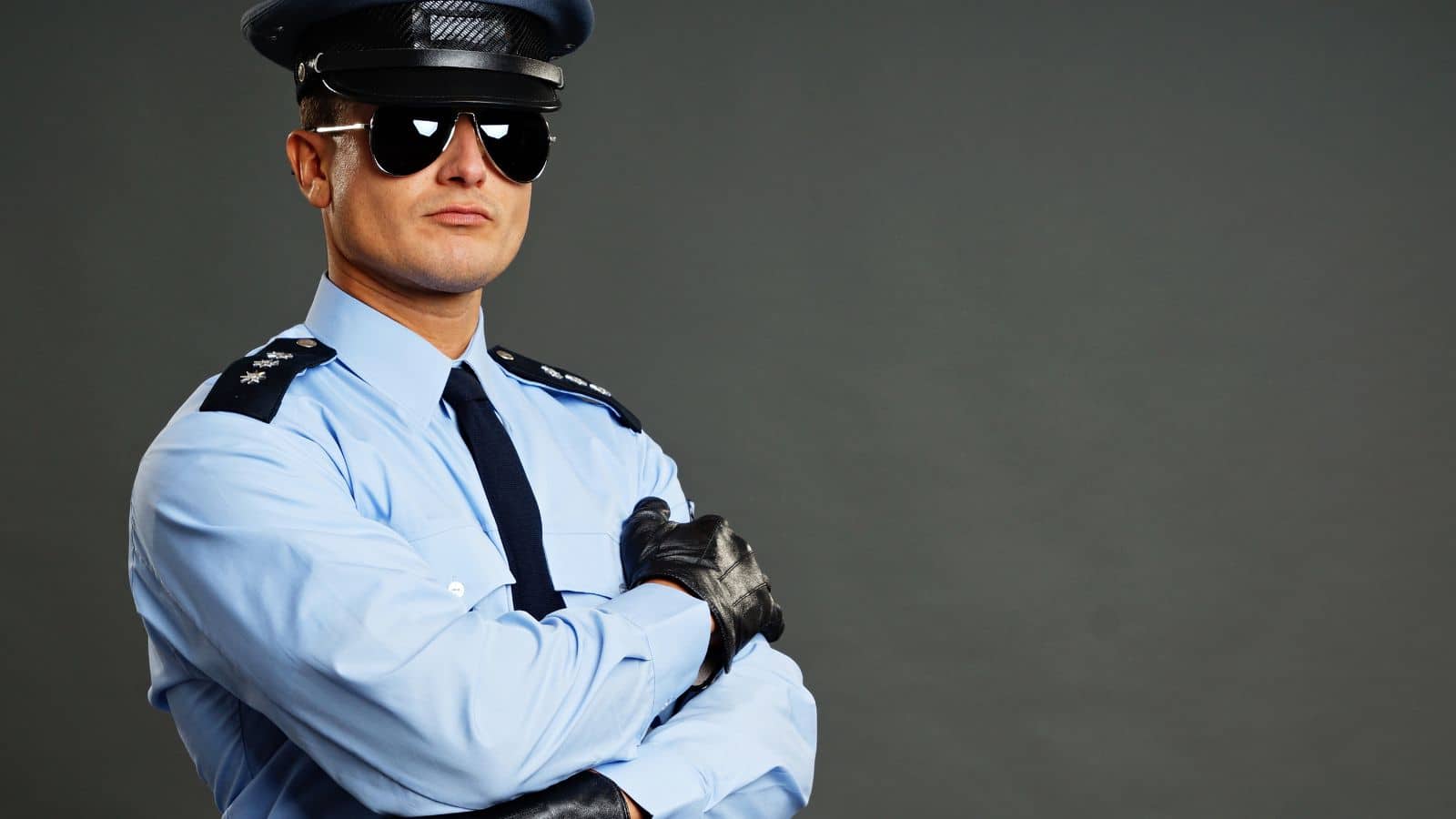
Think of it this way: America loves fair play. Although people tend to bribe in the U.S. occasionally, it can be a serious offense in some instances, even for visitors. Some authorities have zero tolerance for bribery, so it’s best not to joke about it unless you want to raise suspicion and cause trouble. Let’s be honest: who wants to be the tourist known for bribing a cop? Make memories, not headlines—and don’t do something illegal!
Catcalling Is a Big No

Although catcalling still happens sometimes in the U.S., it’s nothing compared to places like Italy. If you’re visiting from a country used to catcalling, you might be in for a rude awakening in America. Everyone has boundaries, and catcalling is a boundary crossed. It’s an unwanted intrusion into someone’s personal space and can be downright scary, especially for young people or those who’ve experienced harassment before. Picture this: you’re walking in lively NYC, soaking in the city vibes. Out of nowhere, a whistle and a comment about your appearance shatter your good mood. That’s the unwelcome truth of catcalling.
Drinking Is Illegal Unless You Are 21 (Or Older)

In many other countries, the drinking age is 18, so many young people coming from these places are surprised to find they can’t go into bars in the U.S. The legal drinking age in the United States is 21. This means that it applies to all states, regardless of the regulations in other countries. Trying to convince a bartender to break the law could get them in serious trouble, including hefty fines and even jail time. I know what you’re thinking: “But in my country, it’s 18!” That’s cool, but in the U.S., the drinking age is the same for everyone, no matter where you’re from.
Don’t Try to Haggle

Many foreign countries have large markets where negotiating with the seller for the best price is almost a sport, but this is uncommon in the U.S. Most stores have prices laid out clearly as a day. Although some folks love the thrill of the haggle, most folks prefer things straightforward in the U.S. Haggling can be seen as rude or intrusive in most American shops. There are a few exceptions where negotiations are welcome, like at outdoor flea markets, garage sales, or street vendors, but at most brick-and-mortar shops, the prices are firm.
Don’t Carry a Large Amount of Cash on You

I know it’s America, and there’s so much to spend your money on. But never bring your life savings in cash. You’ll make yourself a target for thieves or could potentially lose a wallet or purse full of cash. Trip ruined. While technically legal, bringing in more than $10,000 requires declaring it at customs, which can be inconvenient and raise scrutiny. Sure, a little cash is handy, but credit and debit cards work well too. And you’ll find ATMs everywhere in the U.S.
Do Not Disregard Park Regulations

America’s national parks are bucket-list destinations, but before you dive headfirst into wilderness adventures, a quick heads-up! Some rules are in place for safety. Those signs in U.S. parks warning you not to go in certain areas or to avoid touching or feeding wildlife aren’t just decorations. Ignoring them can be dangerous for you and the fragile ecosystem. Give wildlife their space, and you’ll appreciate it (and your face will remain intact!). Watching them from a safe distance is way more awe-inspiring than any close-up selfie.
Do Not Touch Except for a Handshake

In many parts of Europe and South America, a kiss on the cheek when you meet someone is customary, but this will get you uncomfortable looks and awkward interactions in the U.S. It’s true that Americans can be a tad more reserved when it comes to touching compared to some cultures. But don’t worry, it’s not like a high-five will get you arrested! Handshakes are the classic way to say “nice to meet you” without overstepping boundaries.
No Pointing Fingers at Someone

Welcome to the land of the free and…slightly pointer-phobic? That’s right; pointing at folks here in the U.S. can feel invasive and personal. It draws immediate attention to someone and can make them feel uncomfortable like they’re being “put on display.” But don’t be too nervous—Americans are generally friendly, so don’t be shy! Strike up a conversation, ask for directions, and share a laugh—just don’t point and stare!
Don’t Smoke Around Children

In other parts of the world, smoking is prevalent, but it’s almost taboo in the U.S. Public opinion on smoking has shifted dramatically in recent years in America. So, first things first, in most places, you’ll find that you can’t just smoke anywhere—even outside. You’ll need to find designated smoking areas. In addition, blowing smoke near anyone who isn’t also smoking is considered rude and will get you nasty looks and comments. You’ll especially want to avoid smoking near kids.
Source:
From Boom to Bust: 18 States on the Brink of Financial Ruin—What Went Wrong?

We’re embarking on a financial roller coaster ride through 18 states, and it isn’t the fun kind. We’re talking about states having to check under the mattress and behind the couch cushions for extra change. These states are trying to balance their budgets, but the numbers aren’t increasing. Why are they skimming through their wallets like they lost a 20-dollar bill? Let’s find out!
From Boom to Bust: 18 States on the Brink of Financial Ruin—What Went Wrong?