
Disclosure: This post may contain affiliate links, meaning if you decide to make a purchase via my links, I may earn a commission at no additional cost to you. See my disclosure for more info.
Buying pre-owned items is an opportunity to save money and discover unique treasures. Thrift stores and neighborhood garage sales are famous for their hidden gems, offering buyers a chance to find one-of-a-kind items. However, there are certain things you should steer clear of—never buy these secondhand if you want to avoid potential risks or regrets.
However, buying certain second-hand items can also be risky. They might not be as valuable as they seem. Factors like health, safety, malfunctions, and limited effectiveness make buying new stuff a better option.
The 15 items on this list give you a good idea of why you should never buy them second-hand.
1. Car Seats and Helmets

Car seats and helmets protect your brains and your kids — the two most important things in your life. Cutting corners when buying them isn’t a smart choice.
There’s no way to tell whether either of these items has been in a wreck. Used car seats and helmets could be riddled with internal damage that isn’t visible outside. Buy new ones .so you can always have peace of mind about your own and your family’s safety.
2. Shoes

As much as having a huge sneaker collection may seem exciting, it might not be worth it. Shoes mold to the shape of the first person’s feet who wears them, and wearing a pre-owned pair of shoes can cause discomfort and pain.
You’ll never know if anyone sanitized and taken care of before being sold, plus the soles wear out over time.
3. Food Containers

Used Tupperware containers are cheap, plentiful, and just begging for a home in your kitchen. But before you bag these used food containers, take a moment to realize that these containers have seen things.
Additionally, used food containers may have scratches, stains, and odors that won’t leave, no matter how often you clean. Who knows how long they’ve been collecting dust in a forgotten attic? So, it is best to buy new Tupperware containers; your health and leftovers will thank you.
4. Toothbrushes

Are you thinking of buying a used toothbrush? Think of it as inviting the cast of “The Office” to your mouth — hilarious on TV, but not so much in reality. Used toothbrushes are like that one friend at the party who gets wasted too early and isn’t fun to be around anymore.
In addition to the bacteria brigade, the worn-out bristles won’t be much good for your teeth. So, do yourself a favor. Invest in a new toothbrush and save yourself from having an awkward conversation with your dentist later. If you buy a used toothbrush, scrub grout, and tile in the bathroom and kitchen.
5. Mattresses

Mattresses tend to gain weight over the years from dust, skin cells, sweat, and other bodily fluids. In addition to hygiene concerns, sleeping on a used mattress can affect sleep quality.
Springs lose support over time, and if a heavy person uses the mattress for a long time, it will sag. Buying a new mattress might be more expensive, but consider that you spend a third of your life on one before buying a used one.
6. Vacuum Cleaners
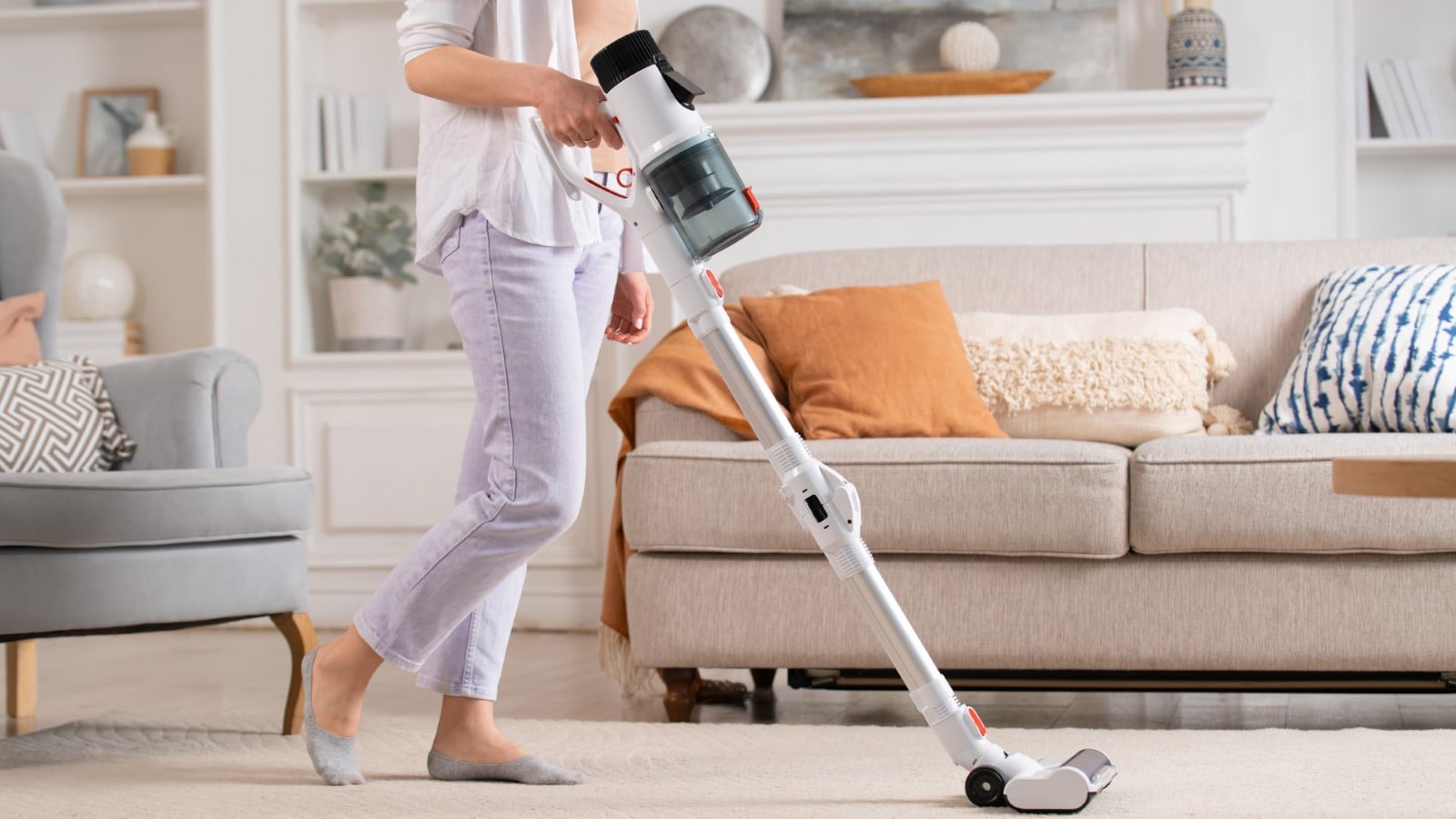
Buying a used vacuum cleaner means inheriting whatever nasties are lurking inside the machine from the last owner. Also, used vacuum cleaners may have worn-out parts and clogged filters that can drastically reduce performance.
What initially seemed like a bargain could quickly become a chore when you struggle to clean your second-hand vacuum cleaner. At least with a new vacuum cleaner, you can rely on the manufacturer’s warranty if things go south.
7. Baby Bottles
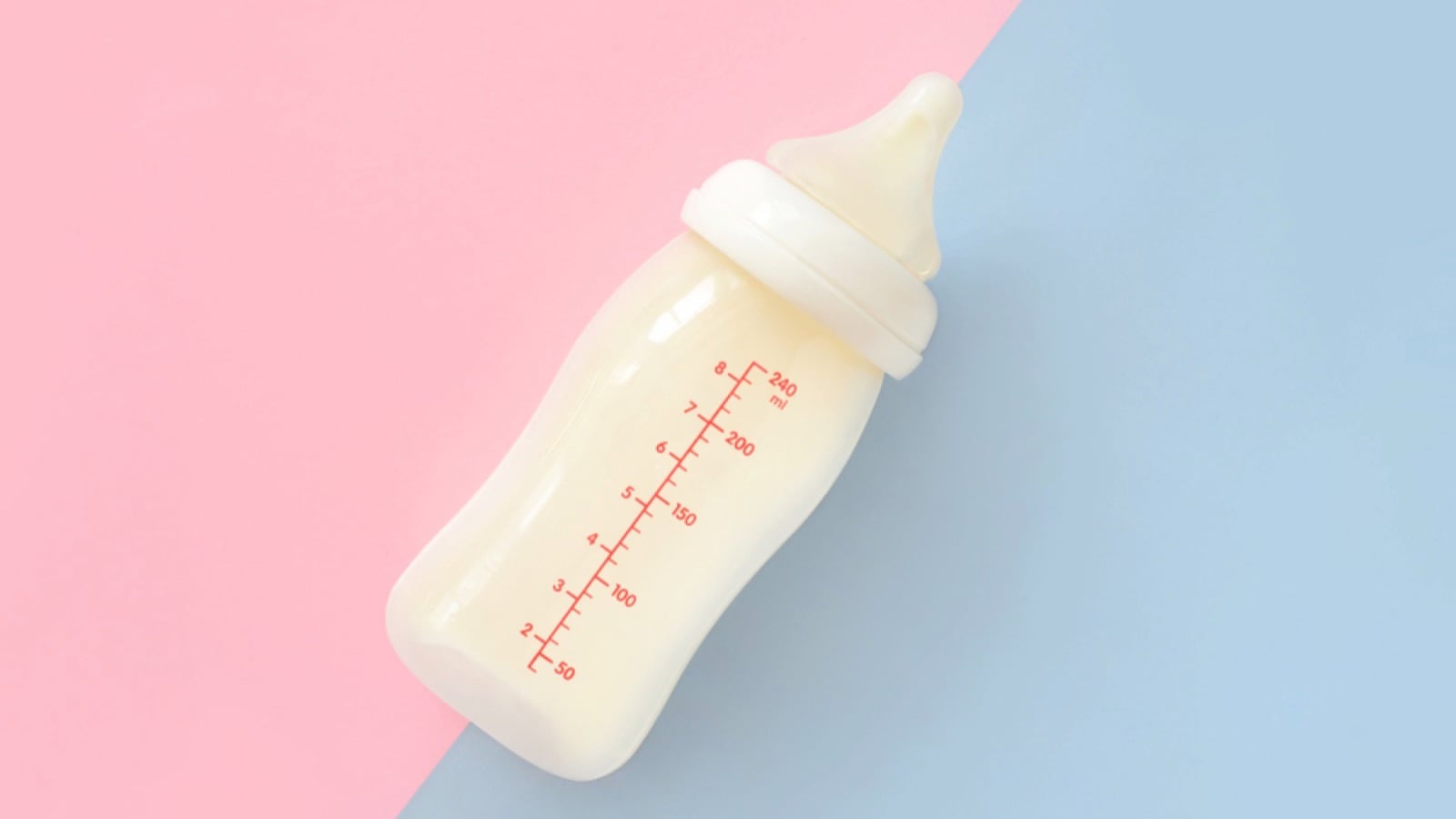
First and foremost, you know what’s been inside a used baby bottle. Even new baby bottles, under regular use, are breeding grounds for harmful germs if not properly cleaned.
Moreover, the plastic inside baby bottles can degrade and contaminate your child’s milk or baby formula. It’s best to invest in new baby bottles to avoid these issues and have the peace of mind that you’re providing the best for your child.
8. Makeup Products

Like most perishables, makeup has a shelf life. Used products may be expired or close to being expired. They can harbor harmful bacteria from the previous user, resulting in poor results or skin infections.
Also, makeup is personal. What might work for someone else might not work for you anyway. Secondly, counterfeit makeup is a real problem. When you purchase used makeup, you unknowingly risk buying fake products with harmful ingredients.
9. Computer Power Supplies (PSU)

You should never cheap out on the power supply when building a PC. The PSU delivers power from the wall to all the components in your PC. A used, faulty power supply can actually damage other, more expensive components (like the GPU) inside your rig.
You don’t know what type of stress that used power supply has been subjugated to. On the other hand, a new power supply comes with warranties and assurances, providing peace of mind and protection for your PC.
10. Computer Storage

Computer hard drives (HDDs) and solid-state drives (SSDs) have a lifespan like every other electrical appliance. Unless the used storage device is under warranty, it’s impossible to know how long someone used it.
You may have difficulty recovering your data if an SSD or HDD suddenly fails. Buying a new storage device will save you from many headaches in the long run.
11. Rugs
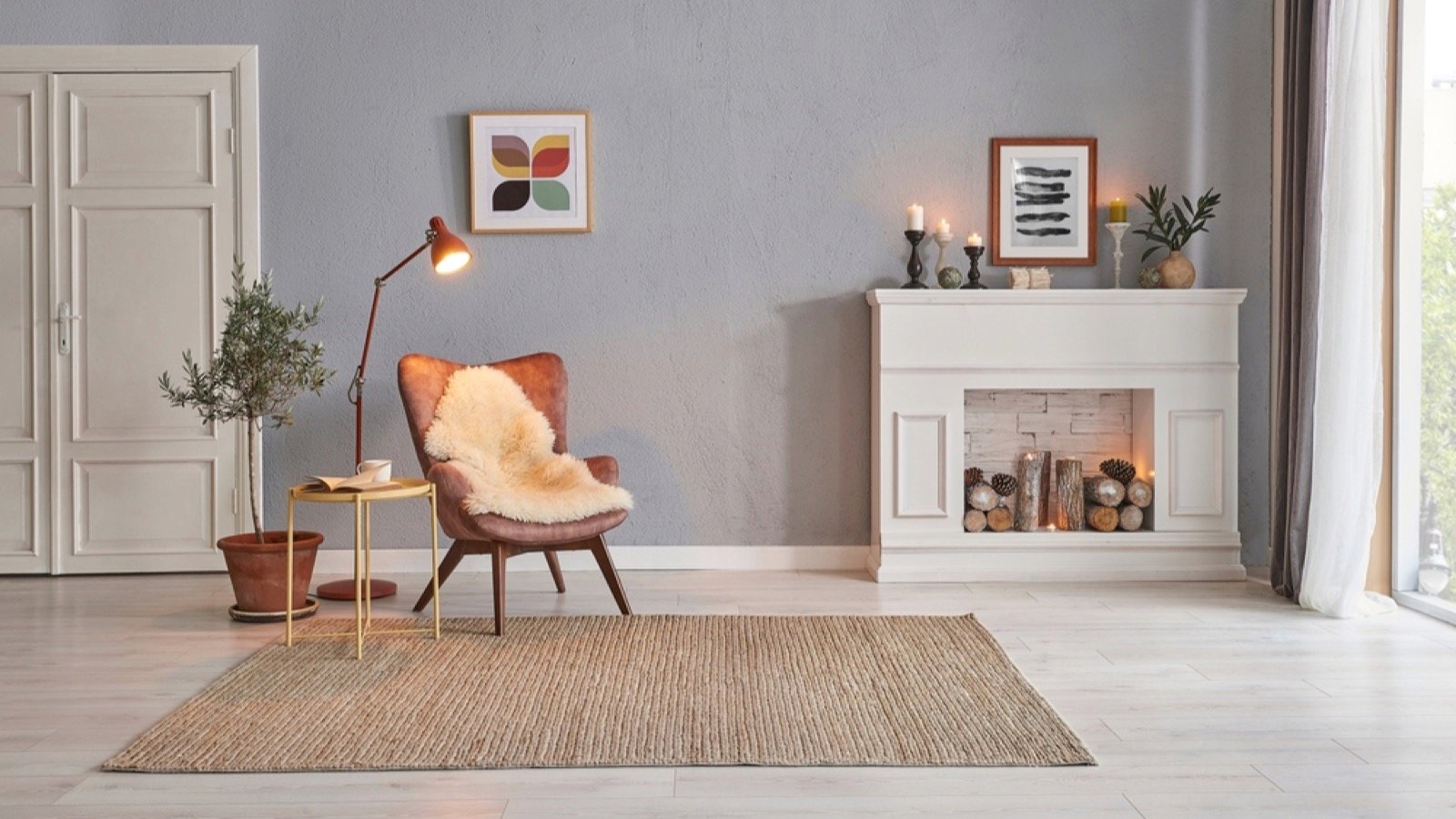
There isn’t a home on this planet that doesn’t have a rug with stains on it. Pre-owned rugs could contain years of abuse in the form of stains, molds, pet excrement, and vomit.
You might not spot the puke stains initially, but you will once you get them home. So, think twice the next time you think you can score a rug from your neighbor’s garage sale.
12. Nonstick Kitchen Utensils

Nonstick cookware is a must-have for every kitchen nowadays. However, buying used nonstick cookware means you’ll never know the full history of the item. How was it treated? Did it cook at high temperatures that could’ve damaged its coating?
Every piece of nonstick cookware comes with specific care instructions. Buying a used nonstick pan means you miss these instructions, which can affect the utensil’s performance and safety. While buying used nonstick cookware may seem like a budget-friendly option, the potential risks outweigh the savings.
13. Climbing Gear

Safety comes first when engaging in climbing activities and buying used climbing gear isn’t a gamble you should take. Gear, including ropes, harnesss, and carabiners, undergoes tremendous wear and tear during use.
Even if used climbing gear appears in good condition, it could have hidden damage that could compromise your safety in a challenging situation. Additionally, climbing gear has a limited lifespan. It should be retired after a certain amount of use or exposure to environmental factors.
14. Stuffed Toys

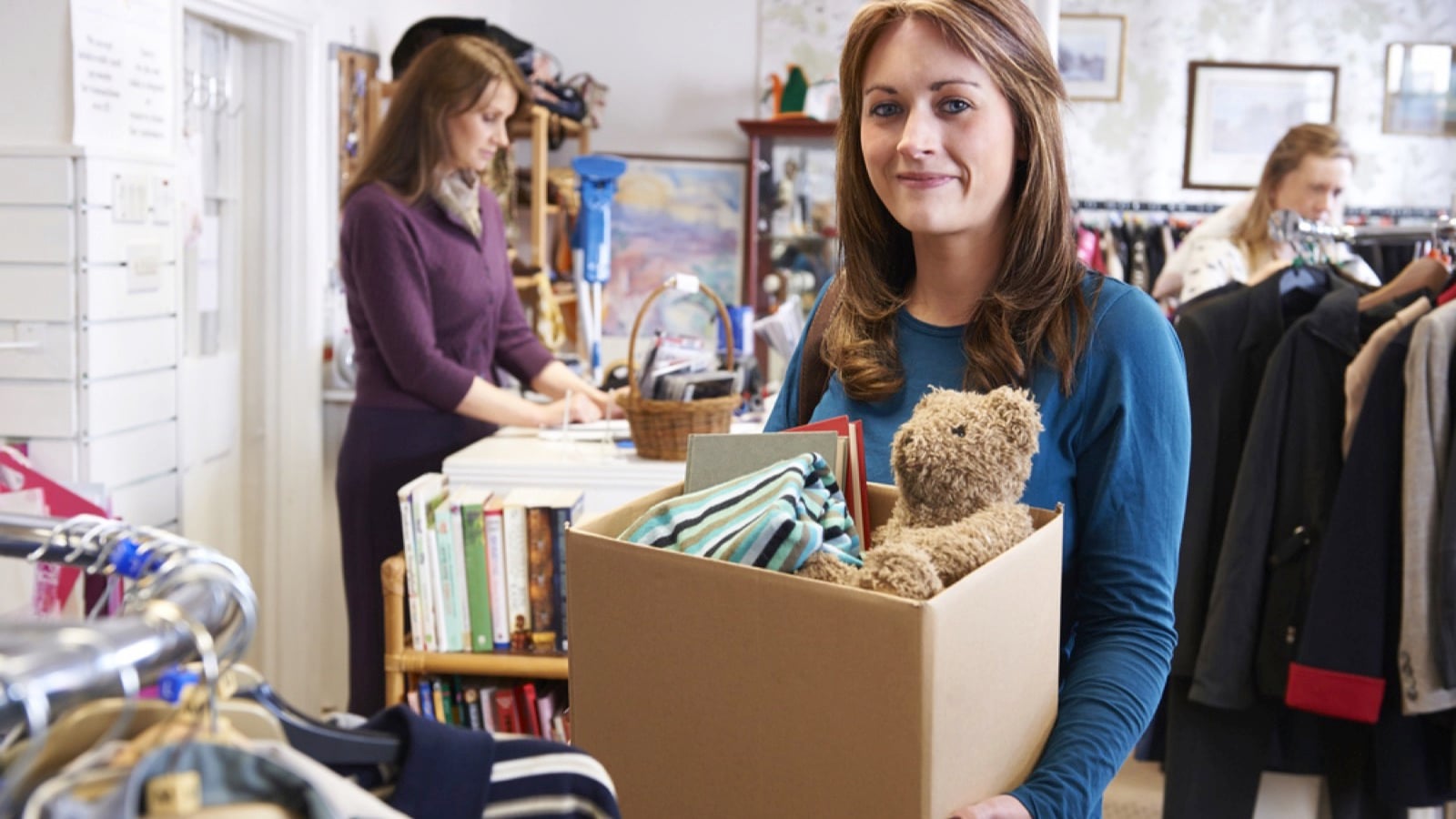
Although stuffed animals might be your child’s best friend, buying used toys may bring more problems than joy. Used stuffed toys can carry dirt, dust, allergens, and even mold if not properly cleaned and maintained by their previous owner.
Additionally, if the used stuffed toys have missing parts, damaged bodies, or worn-out stuffing, they may pose a choking hazard for your child.
15. Heavily Upholstered Sofas

If you’re considering a heavily upholstered sofa to cozy up your living space, you should get a new one. Why? These sofas are hard to clean, and those Dorito stains and unpleasant odors from the last owner might never leave.
They may also have mold and mildew growth, pest infestations, structural damage like sagging cushions or broken springs, and exposure to chemical additives or flame retardants that can off-gas over time.
17 Actions to Avoid Once You’re Over 65

Are you cruising past age 65 and wondering how life should change? Well, buckle up because it’s time for a fresh perspective! Age is just a number, but some habits are better left behind as we mature. This article will walk you through 17 things you might want to stop doing after age 65. We promise it’s not all about giving things up but embracing a new chapter of your life with open arms. So, if you’re ready to make your golden years truly shine, keep reading.
- Read More: 17 Actions to Avoid Once You’re Over 65
18 Life Lessons Many Wish They’d Learned Earlier in Life

As Gen X journey through the ever-changing landscapes of work, relationships, and personal growth, they’ve gained insights they wish to impart to their younger selves. These life lessons are not only reflective of their generation but also universally relevant. Let’s delve into 18 profound lessons that Gen Xers hope to share with the next generation.


