Disclosure: This post may contain affiliate links, meaning if you decide to make a purchase via my links, I may earn a commission at no additional cost to you. See my disclosure for more info.
Many believe that sustainable fashion comes with a hefty price tag, a myth perpetuated by the fast fashion industry to keep consumers hooked on cheap, disposable clothing. Though sustainable fashion is continuing to grow in popularity, it is still not as accessible as the mountains of fast fashion items ultimately destined for landfills. However, there are still smart ways to save on clothes while making more ethical and sustainable fashion choices.
But, when approached correctly, creating a sustainable wardrobe can be more economical and fulfilling than sticking to fast fashion. The initial effort pays off, resulting in a collection of timeless pieces that stand the test of time and reduce environmental impact. To help you curb your appetite for trendy fast fashion while protecting your hard-earned cash, we’ve compiled 15 tips every eco-conscious fashionista should know.
1. Secondhand Shopping
It takes about 2,700 liters of water to produce one T-shirt. Every new garment purchased uses up precious natural resources that are already scarce. Buying secondhand clothes is almost always more eco-friendly than purchasing brand-new garments.
Shopping at thrift stores has also become trendier over the past few years. It’s an affordable and sustainable way to increase a wardrobe without breaking the bank.
2. Natural Fibers
Clothing made from synthetic fabrics doesn’t easily break down in the soil. The plastics within them cause the fabrics to take up to centuries for them to decompose. The last thing the planet needs is more abandoned plastic in landfills.
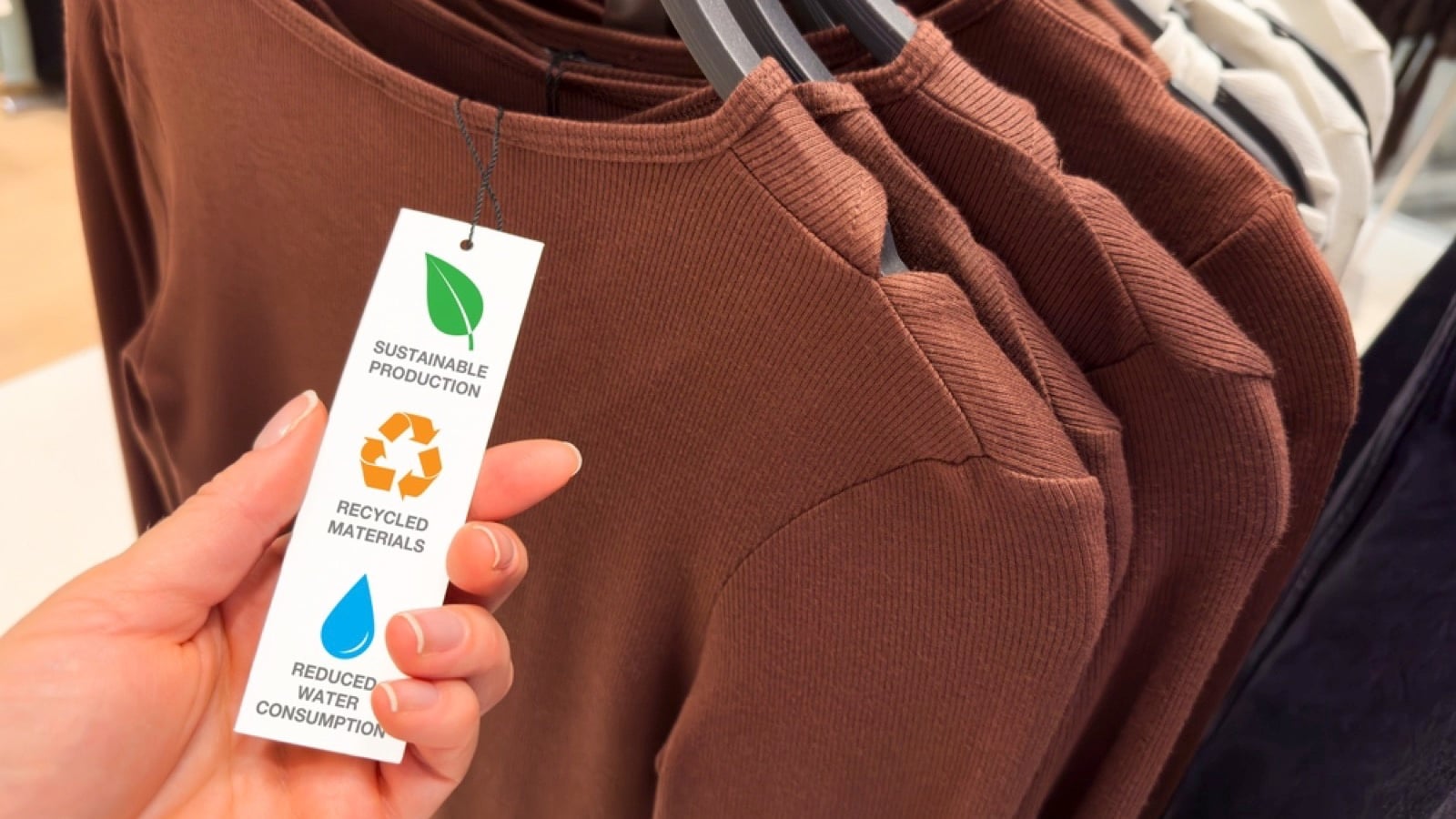
Natural fibers are more biodegradable. Materials such as cotton or linen also require fewer resources to produce. People can check whether the materials used are natural by using the tag descriptions.
3. Quality Over Quantity
Investing in long-lasting items is more beneficial than investing in too many clothes. Quality pieces will last for years. Meanwhile, buying fast fashion results in clothes that wither away after a few washes.
Look for more than just reputable branded items. Quality pieces can be checked by the material used for them or the neatness of the stitches. Natural fabrics also last longer than polyester.
4. Reuse
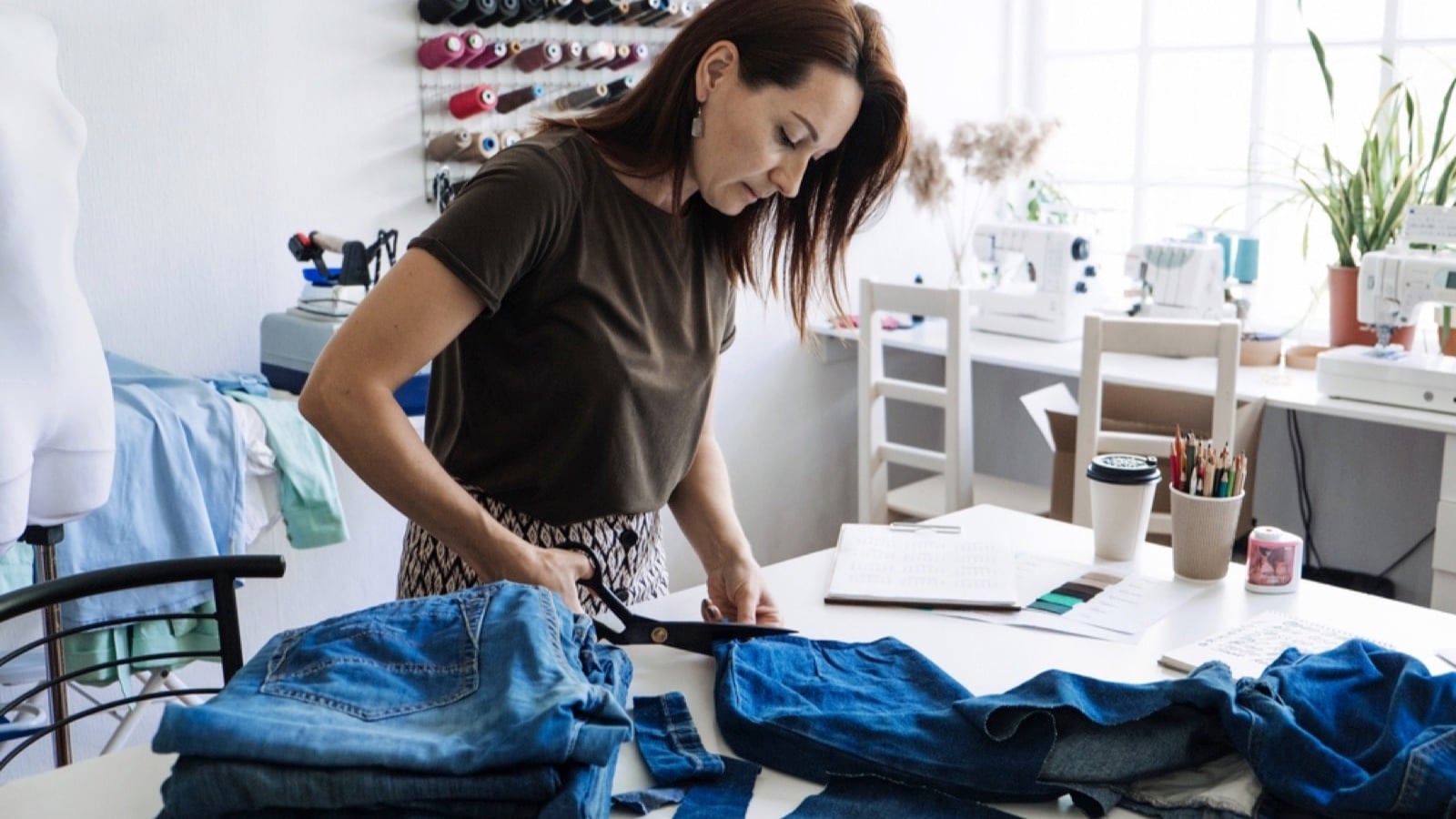
The same clothing item can be reused and worn in multiple ways. A dress doesn’t always have to be worn as a dress. It can be multi-purposed as a skirt or even a shirt.
Reusing the same clothes differently can create many outfits. If someone still doesn’t like their clothes, it’s better to donate them. This way, someone else can benefit from them instead of them ending up in a landfill.
5. Timeless Fashion

In the age of consumption, indulging in every fashion trend can be tempting. Unfortunately, most of these trends are fast-changing. They hardly last a season before being replaced by another.
Being able to identify these trends and buy timeless fashion instead is essential. One classic item can be worn for many years without it going out of style.
6. Shopping Locally
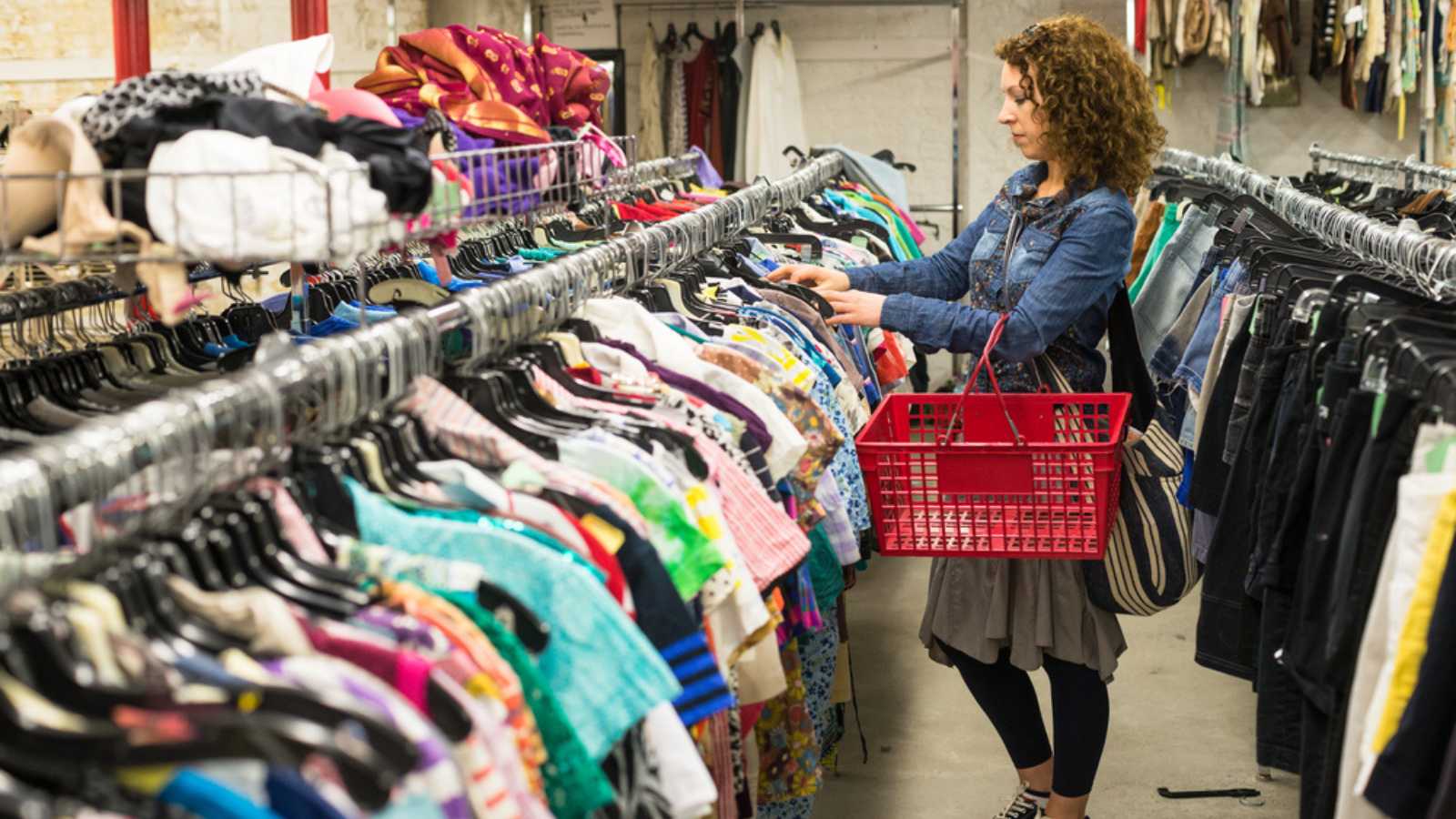
Shopping internationally always comes with additional costs and impacts the environment. Not only is shipping often expensive, but it also uses fossil fuels.
Shopping locally helps support local economies. Since the businesses are local, the products are more likely specific to those living there.
7. Proper Care of Clothes
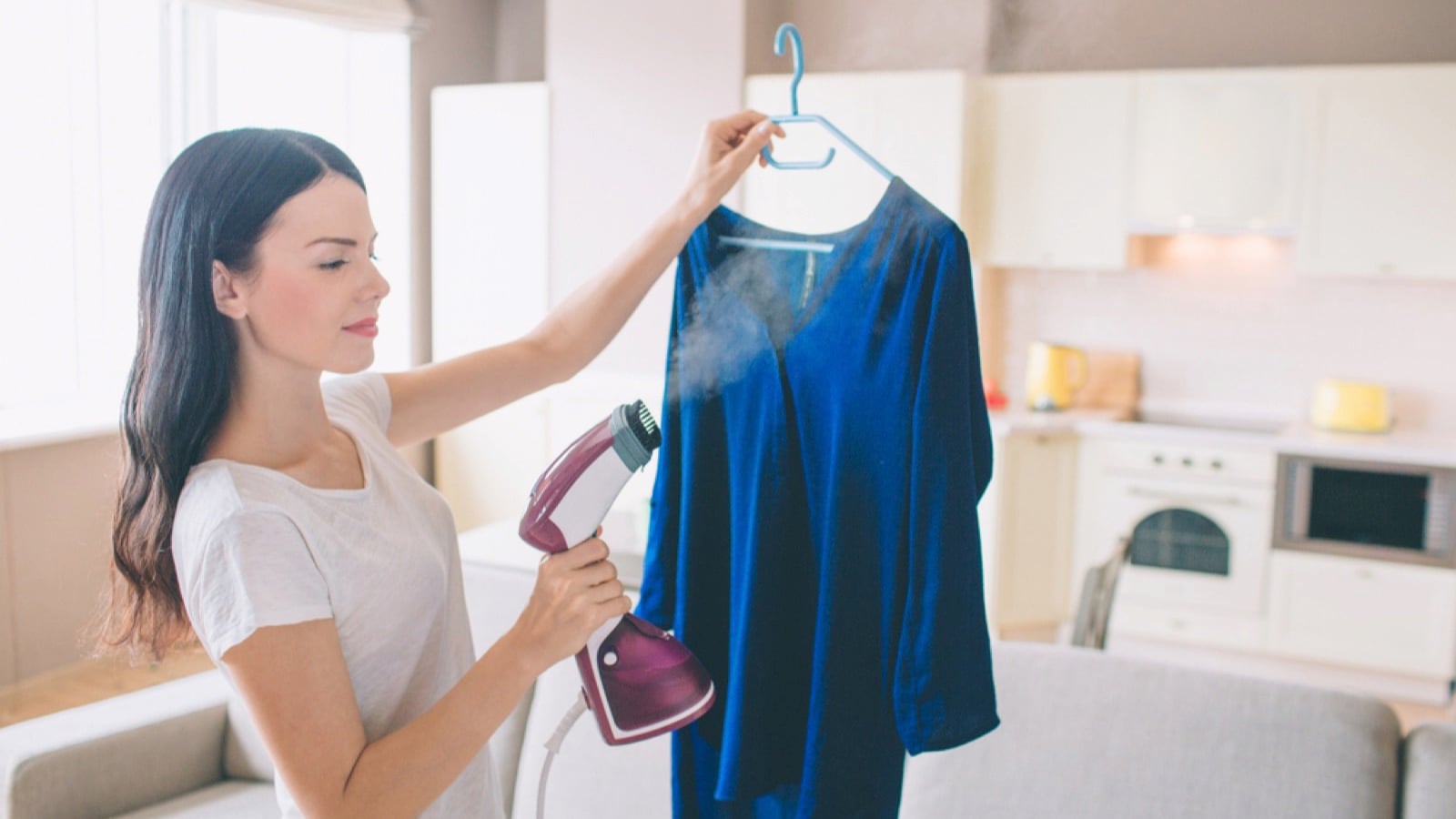
Most clothes end up tearing or fading because they aren’t properly maintained. Even the way one stores their clothes can make a difference.
Each item has a tag showing how it needs to be washed, ironed, and dried. Following these instructions will make the item last much longer. This helps clothing items remain in good condition and feel new even after many washes.
8. Repair and Upcycle
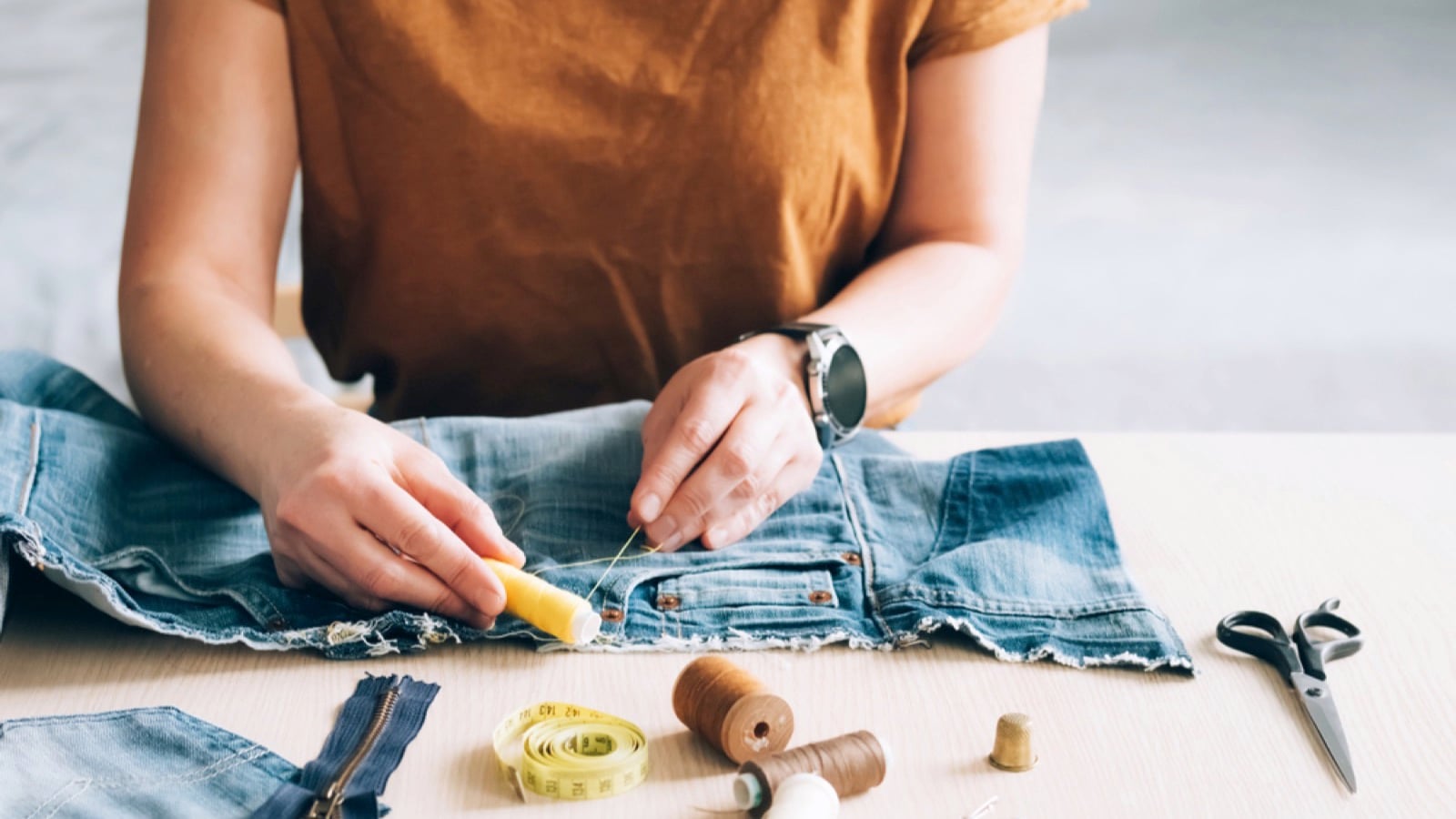
The easiest, most budget-friendly way to have a sustainable wardrobe is to not buy more clothes. Repairing and upcycling pieces can give an item new life.
Instead of throwing away damaged clothes, they can be made into something else with just a few stitches. There are many fun DIY hacks online to hide a stain or a tear in the fabric.
9. Fair Labor Practices
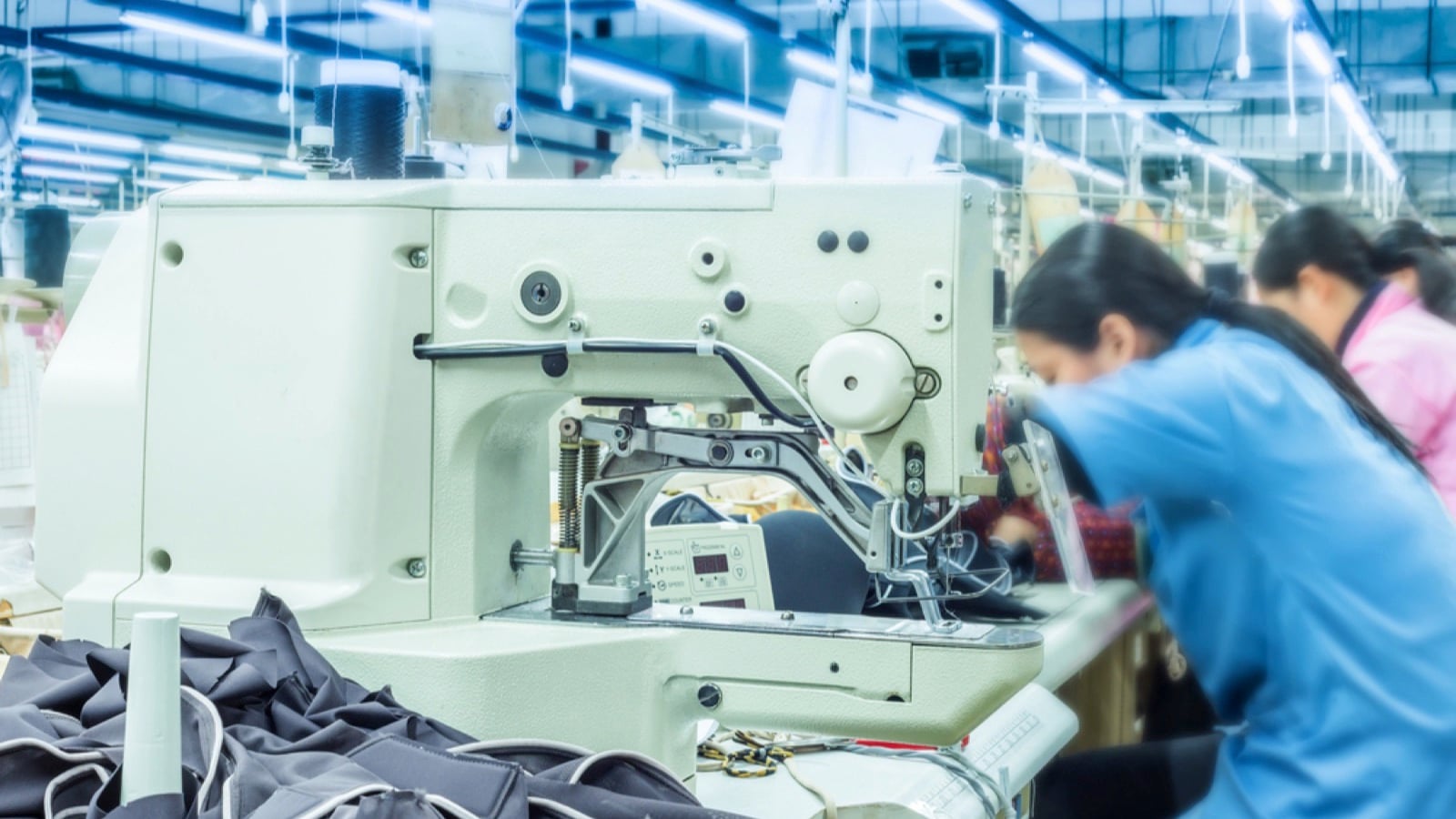
Having a sustainable wardrobe refers to more than just the final clothing product. The way the product is made has to be sustainable, too. Many large-scale companies exploit their labor under poor working conditions.
Ensuring that the workers involved in producing an item are treated fairly is essential. Doing research before buying from any band can help make an informed decision.
10. Renting and Sharing

How often do people buy expensive clothes for a special occasion only to never wear them again? Renting and sharing clothes is cheaper and more eco-friendly.
These renting platforms reduce the need to consume new clothes for every occasion. People can experiment with new styles without worrying about spending too much money.
11. Capsule Wardrobe

Knowing which pieces to invest in can help build a wardrobe that can suit every occasion. Capsule wardrobes are made up of easily interchangeable outfits. Every piece is bought, considering how many other pieces it can match.
With only a small selection of clothing, people can achieve a diverse palette of looks. This usually includes staple pieces such as basic tops and jeans.
12. Tailored Clothes

Sometimes, it’s cheaper to have something made rather than buying it ready-made. An even better choice is to sew it yourself. There are many free sewing tutorials online. Buying fabric may be cheaper than purchasing the garment off the rack.
Knowing the basics of stitching can open up a variety of possibilities. Some affordable clothing can be bought regardless of size. Depending on what needs to be done, adjustments can be made at home.
13. Alternative Materials
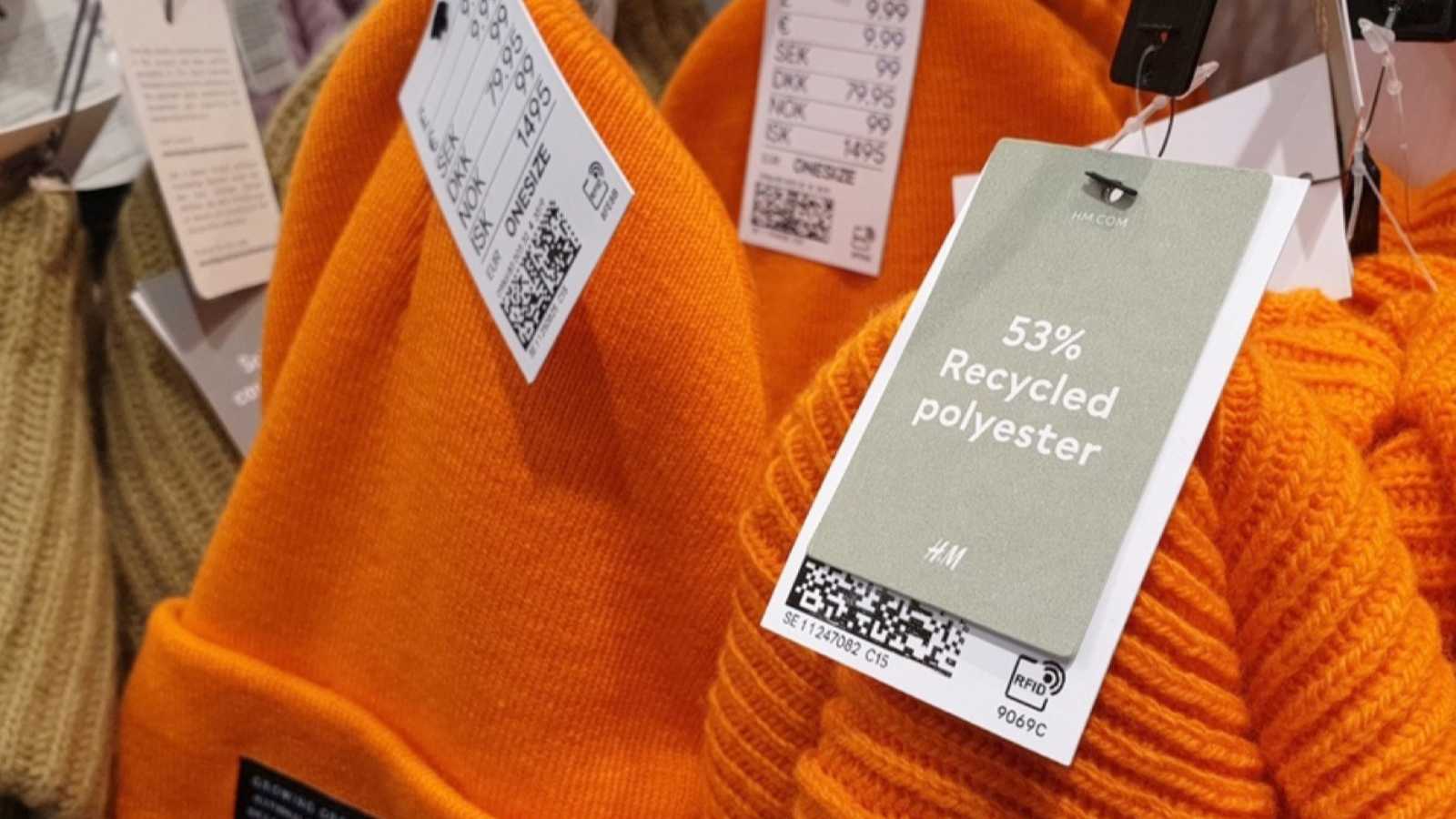
With trendy fashion becoming more popular and cheaper, finding affordable natural fabrics is challenging. Brands selling natural fabrics are often pricey unless you find them in a thrift store.
Alternative materials such as recycled polyester or bamboo can provide a cheaper eco-friendly solution.
14. Supporting Independent Brands
Independent or small-scale businesses usually have more substantial commitments to ethical practices. They participate in sustainable practices more often than large-scale brands.
Since most of these smaller brands are local and less well-known, they cost less. Their service and customer loyalty are also unmatched compared to other brands.
15. Organizing the Wardrobe

To build a new wardrobe, one must examine what they already have. This helps limit splurging on duplicate pieces. Instead, choose to invest in entirely new styles.
It takes a lot of work to go through a messy wardrobe and find outfits. No wonder people feel like they have nothing to wear. Reorganizing and tidying the closet opens up a whole new style world.
The Purpose of a Budget and 11 Reasons Why You Need One

The primary purpose of a budget is to track your income and expenses. A budget also ensures your bills are paid on time, helps you plan for the future, helps identify any bad spending habits or areas where you could reduce your spending, and ensures that your spending reflects your priorities. By creating a budget and sticking to it, you can ensure your needs are met, your bills are paid on time, you get out of debt, and you meet your financial goals.
The Purpose of a Budget and 11 Reasons Why You Need One
18 Underrated U.S. Destinations Worth Exploring

Every state in the United States has its unique charm and attractions. However, some states are often perceived as less exciting or engaging than others. This perception, which may not always reflect reality, could be based on various factors, from a state’s geography and culture to its lack of iconic landmarks or tourist hotspots. Here are 18 states that some Americans might dread visiting due to a perceived lack of exciting activities or attractions.