
Disclosure: This post may contain affiliate links, meaning if you decide to make a purchase via my links, I may earn a commission at no additional cost to you. See my disclosure for more info.
It’s not uncommon to feel anxiety from time to time. With more research, it’s been found that anxiety is actually the most common mental health issue in the USA today. The Anxiety and Depression Association of America states that over 40 million adults in America are affected by anxiety disorder. And that number only counts diagnosed cases. There are likely millions of other adults, teens, and children who also struggle with anxiety—many of whom are actively looking for ways to find calm in their daily lives.
Luckily, there are plenty of ways you can learn to cope with anxiety whether or not you’ve had a medical diagnosis. Some symptoms of anxiety include sweating, an increased heart rate, difficulty breathing, and feeling lightheaded. If any of this sounds familiar to you, it may be in your best interest to seek professional medical help. However, we also encourage you to read on to discover ten ways you can use to better cope with anxiety on your own.
Deep Breathing Techniques

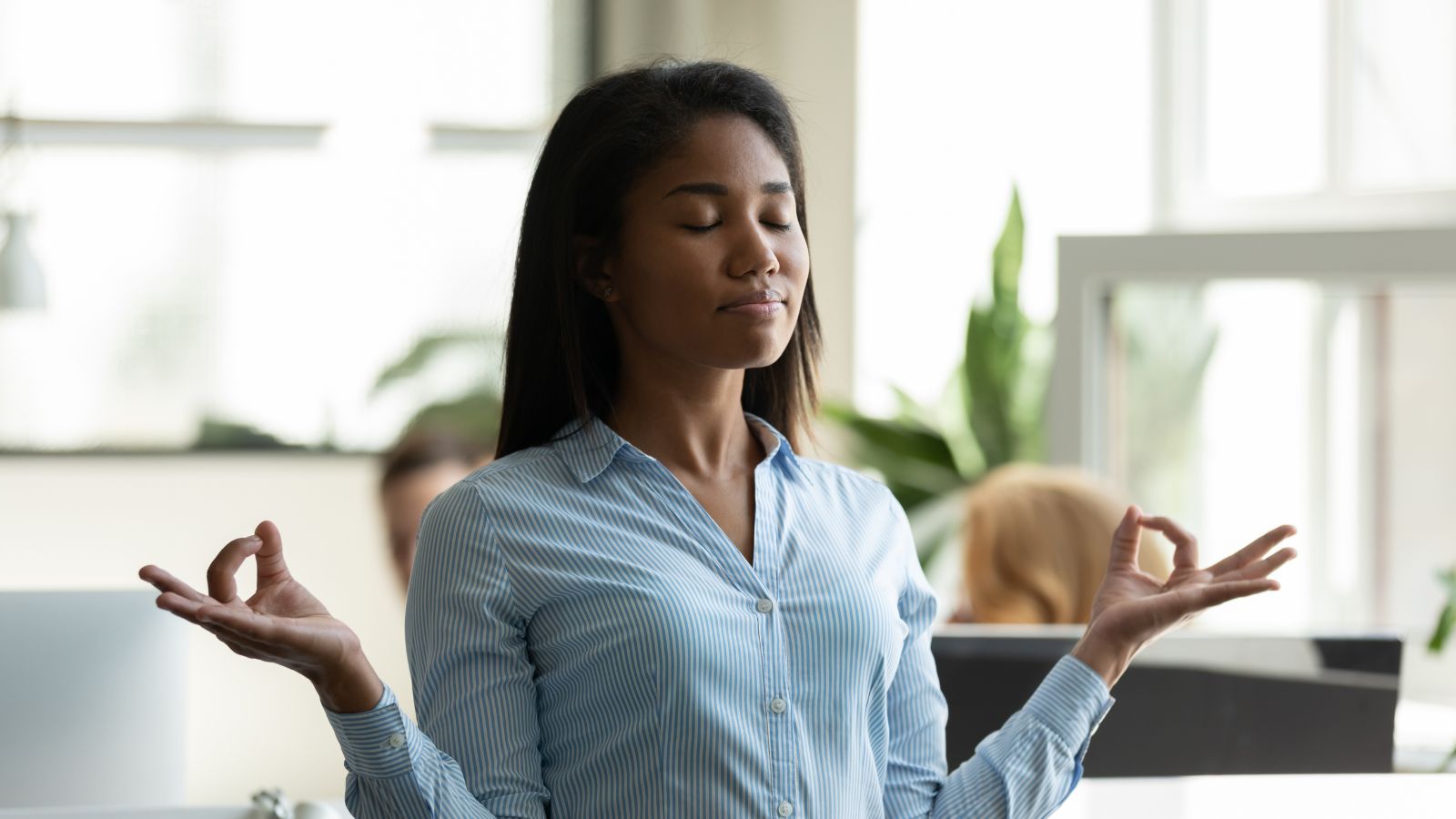
Feeling like you can’t breathe is a common sign of anxiety. That feeling stresses our mind and body, causing us to breathe and pant faster, worsening the symptoms. Sometimes, it’s enough to stop what you are doing, close your eyes, and take a few deep breaths when you start to feel anxious.
If that doesn’t seem to help, you may want to try an actual breathing technique. Focus on the air and let go of what is causing your anxiety as you do this. Breathe in slowly through your nose. Hold for 4-5 seconds, and exhale slowly through your mouth. After several rounds, you should start feeling your anxiety lessening and your heart rate returning to normal.
Exercise Every Day

Physical activity can help you kick your anxiety to the curb in several ways. For one, it should be fun. This means finding an active hobby you enjoy. Having fun makes us less likely to worry and stress over things that cause us anxiety.
Choose something you like to do to be active, whether jogging with a friend, swimming, or dancing in your living room at home. Even a daily walk with an uplifting podcast or feel-good music can work wonders for overall mental health.
Exercise also releases endorphins, which help us feel happier and less stressed, and being less stressed can help reduce anxiety and its triggers.
Focus on Quality Sleep

You must let your brain recharge long enough each night to handle what the next day throws at you. Coming to battle rested and ready to fight can drastically reduce the effect anxiety and its triggers can have on you. Make sure you are getting quality rest each night.
Unplug from your tech devices at least one hour before lying down. The longer you can go without electronics before bedtime, the better. Get supportive pillows and a comfortable mattress, and keep the room temperature cool.
Use a white noise machine or run the fan if you need a little noise to lull you to sleep. Also, practice positive affirmations to keep your brain in a positive place throughout the night and into the next morning.
Journal Your Feelings

Sometimes, the best way to handle your anxiety is to get it out of your mind and onto paper. This includes all the thoughts and feelings causing you to feel anxious, too. Journaling daily can help your brain release some of the worries.
In addition to being a healthy release, journaling daily can help you find patterns or triggers you may not have previously noticed. This will allow you to either avoid the triggers or focus on finding methods to overcome the triggers you cannot eliminate from your daily routine.
Not sure where to begin? Journal prompts for mental health are a great starting point!
Identify Your Triggers

Many people feel anxious because their mind or body is triggered by someone or something. As mentioned above, journaling regularly is a great way to spot any patterns or trends that lead to feelings of anxiety. However, quiet reflection is sometimes enough to help us pinpoint moments we’ve been set off.
One thing usually leads to another, so look at the whole picture of what leads to a moment or period of anxiety. Sleep, nutrition, physical activity, and social connection all play an essential role in finding our ideal mindset.
Therapy, journaling, and meditation can all help you uncover your triggers so you can learn how to best deal with them. Once you know what sparks your anxiety, overcoming it gets easier.
Learn to Relax

It’s hard to get rid of anxiety when you are constantly going, going, going. In fact, distracting yourself can make you even more anxious. Working 8+ hours per day and saying “yes” to obligations that don’t spark joy, as well as a partner, kids, and a life at home, can really run you ragged.
You need to make sure you are taking time for yourself and relaxing for at least a few minutes every day. On the commute from work, listen to music you love or something else that puts your mind at ease. Learn to say “no” to anything that doesn’t make you happy or isn’t essential to your life. Prioritize yourself and your feelings. You’re the most important person in your life! Remember that.
Spark Joy Each Day

Being happier tends to make it harder for anxiety to set up shop in your mind. This won’t be an overnight process, but you can make a conscious effort to be happier little by little. These improvements will likely cause the anxiety to lessen over time.
You may find happiness in calling family and friends more often. Take up a new hobby you’ve been wanting to try. Watch a silly TV show or movie that makes you laugh and forget the day’s troubles for a few hours. Your happiness is up to your definition; be sure you live a life you enjoy.
Practice Self-Care Regularly

It’s easy to forget that your body and mental health need to be taken care of just as much as your home, family, car, and job do. Self-care gives you the time your mind needs to relax and wind down, especially during stressful times.
Having lunch with a friend, taking a bubble bath, getting lost in a good book, or enjoying coffee on the porch every morning are just a few ways to take care of yourself and, in turn, reduce your anxiety.
Spend Time With Loved Ones

If your anxiety has you canceling dinner dates or declining invites to parties, now is the time to take a stand. Spending quality time with those we love is great for the soul – and helps to remove those anxious feelings from our minds. Time with friends and family can make you feel like you have a good support system for those times when your anxiety is terrible.
When you are anxious, you won’t feel so alone; you’ll feel more like you can reach out to someone for help. If you’re too anxious to go out with people, you may need new people or different activities in your life!
It’s common for all of us to experience anxiety at one time or another. If it’s something that happens more often than not for you, the first step is accepting that, and the next is mending that issue. The trick is to learn to identify the triggers and how to cope with those anxious feelings when they arise. What is your best method for dealing with anxiety?
Practice Consistency
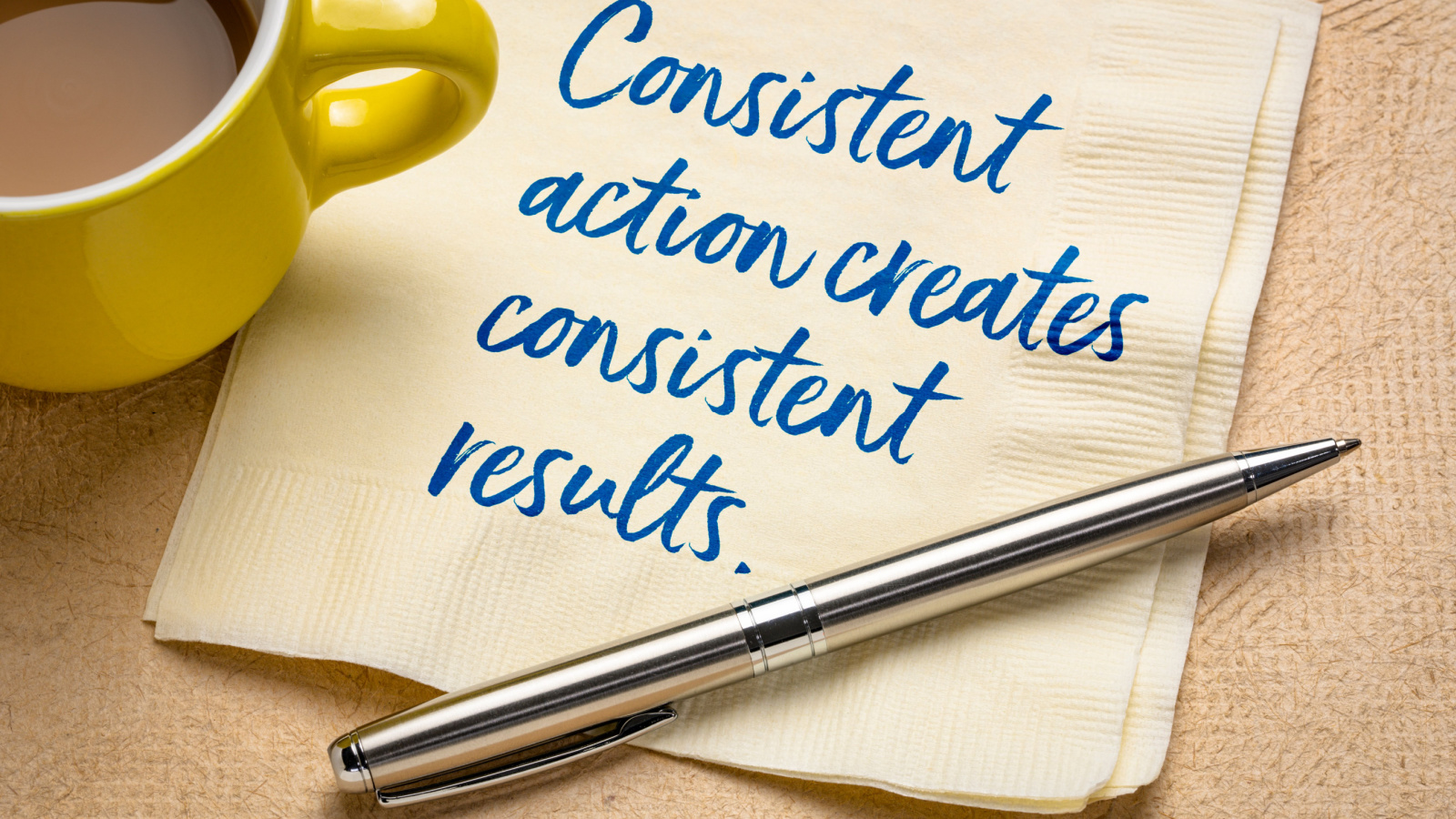
Learning to cope with anxiety is not a one-size-fits-all or one-and-done solution. It’s a unique skill that takes time and practice to master. However, the more aware you are of how your mind and body feel in different situations, the sooner you will discover and implement remedies that soothe you best.
Identifying the things or situations that make you feel your best is just as important as identifying the moments when anxiety enters your mind. As you start using these coping mechanisms, it won’t take long for you to start regaining your confidence and composure more quickly. Soon, you may even find it’s been days or weeks between bought of anxiety.
With a little determination and help, anxiety can become as manageable as any other part of your day rather than a dominating force to combat.
18 Life Lessons Many Wish They’d Learned Earlier in Life

As Gen X journey through the ever-changing landscapes of work, relationships, and personal growth, they’ve gained insights they wish to impart to their younger selves. These life lessons are not only reflective of their generation but also universally relevant. Let’s delve into 18 profound lessons that Gen Xers hope to share with the next generation.
18 Life Lessons Many Wish They’d Learned Earlier in Life
18 Valuable Items Foolishly Thrown Away Daily

One man’s trash is another man’s treasure – this adage holds when we look at the surprising items that often end up in the trash bin. From seemingly mundane objects to antique relics, some discarded items have far more value than we realize. Here are 18 high-value items that people unwittingly dispose of every day.


