Disclosure: This post may contain affiliate links, meaning if you decide to make a purchase via my links, I may earn a commission at no additional cost to you. See my disclosure for more info.
Household appliances are essential in our daily lives, as they can help us more than we think. However, they cost money to use. To get the most out of our appliances, it is important to find ways to reduce their running costs.
To help, we’ve found 13 hidden features in many that can save you money. Most of the things are easily implemented.
By trying these features, you can significantly reduce utility bills, making your appliances more cost-effective and your life more convenient.
Your Refrigerator’s Eco Mode
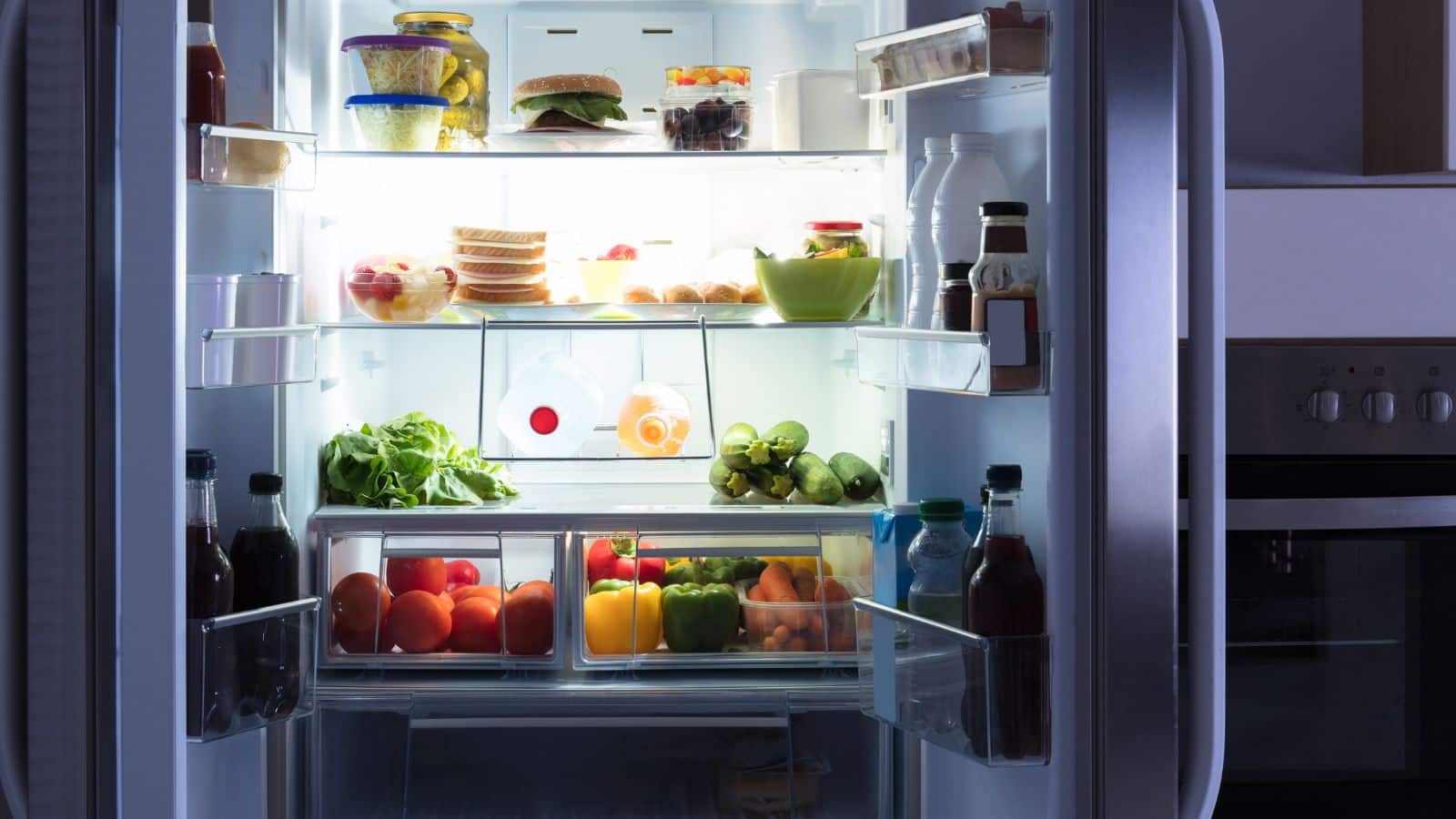
Almost all modern refrigerators come with an energy-saving or eco-mode. This mode is designed to help reduce power consumption by optimizing the refrigerator’s cooling cycles. It only starts the cycle when needed, saves energy, and reduces utility bills. Besides lowering your monthly utility bills, as your fridge will not use the cooling cycle as much, your food will not spoil, meaning these modes are a big must for anyone.
Use the Washing Machine’s Eco-Wash Settings

Due to its nature, a washing machine can use a lot of electricity to clean your clothes properly. This is because it turns/spins your clothes around to get them clean. However, you can use the eco-modes on your washing machine to lower power consumption and even washing use.
Use a Sensor Cooking Microwave

Modern microwaves can come with a sensor-cooking feature. This means your microwave can adjust the appliance’s cooking times and power levels depending on your food’s temperature and the portion size of it. Besides saving on monthly power usage and bills, your food won’t overcook or burn when you reheat it in your sensor-cooking microwave.
Half-Load Setting on Your Dishwasher

If you need to wash a few dishes in your dishwasher, the half-load setting can be a lifesaver. This feature is perfect for households that don’t accumulate many dishes daily, relieving you from the age-old rule of waiting for the dishwasher to be full. Plus, these smaller loads of dishes can help reduce the water and power usage this appliance uses when it does your dishes.
Induction Cooking With Your Stovetop

Induction cooking with your stovetop is a resourceful way to save energy. The electromagnetic technology it uses directly heats the cookware, making it more efficient than your traditional electric stove top. This efficiency allows you to cook faster and saves on utility bills, making you feel resourceful and environmentally conscious.
Moisture Sensor Dryers

A dryer is notorious for consuming a lot of power when drying clothes, especially as the machine completes the cycle even when the clothes are already dry. By getting a moisture-sensor tumble dryer, the appliance can use the feature to prevent over-drying, saving you money in power bills and wear and tear on your clothes.
Use an Air Conditioner With a Programmable Thermostat

Many people need an air conditioner but use a lot of energy to keep the room cool. An A/C unit with a programmable thermostat feature can easily save on your power bills. These programmable thermostats allow you to set certain room temperatures throughout the day, meaning the A/C unit may not need to work as much in the mornings and evenings when temperatures are cooler.
Smart Power Strips

A smart power strip is an excellent appliance for eliminating the phantom power drawn from devices plugged into the wall. Even though a device is switched off or not being used, it can still draw power from the plug point. A smart power strip automatically cuts power to an appliance on standby mode, reducing monthly electric bills.
Switch Your Heater to Vacation Mode
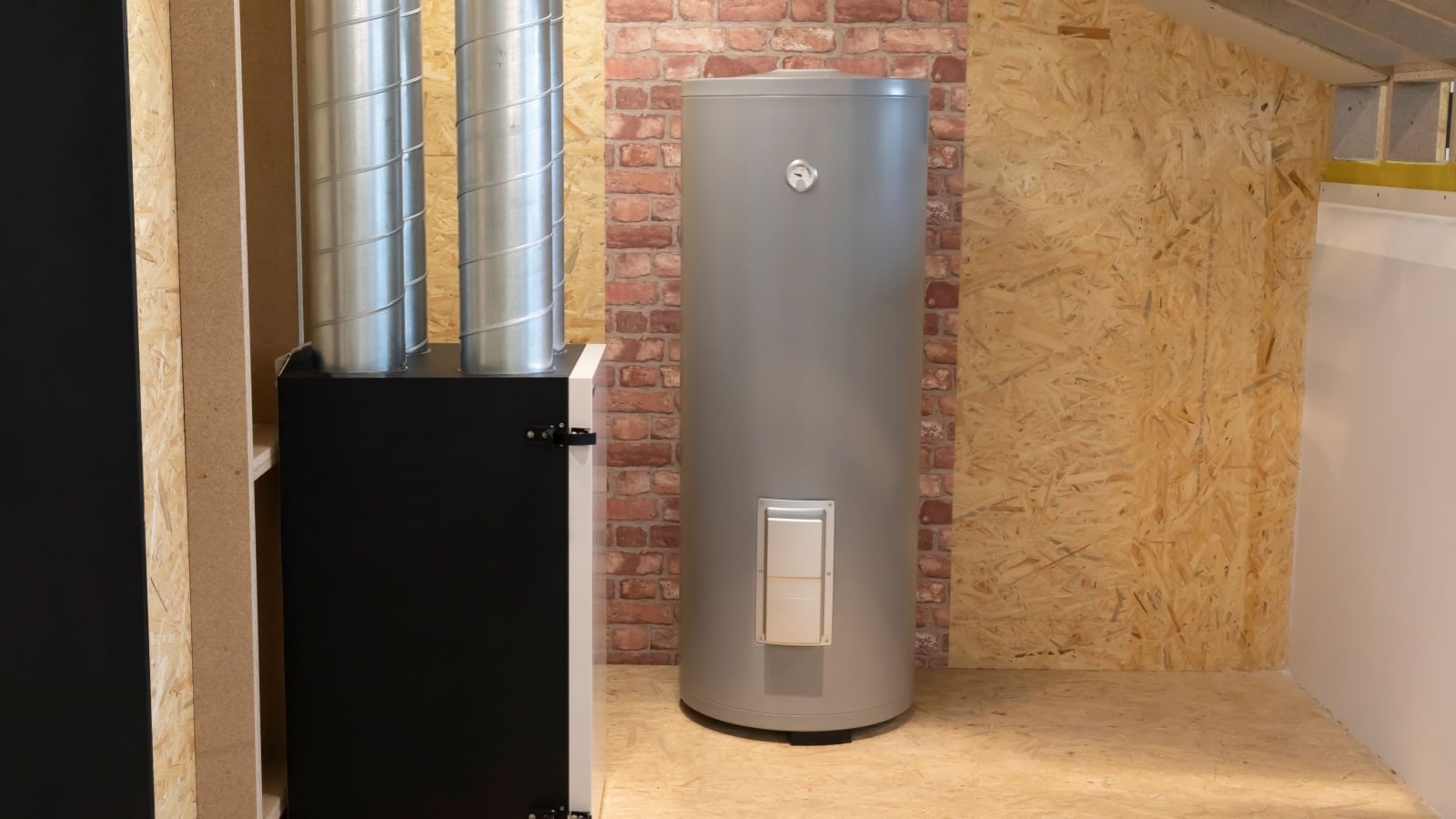
Your water heater or geyser is a big power draw in your home. It keeps the water at a constant hot temperature, which means it constantly draws power. You can switch your water heater or geyser to a vacation mode to help reduce power consumption. Your water heater system’s control panel has a vacation mode. Switching it to the proper mode will not heat your water unless someone is home.
Consider Convection Cooking With Your Oven
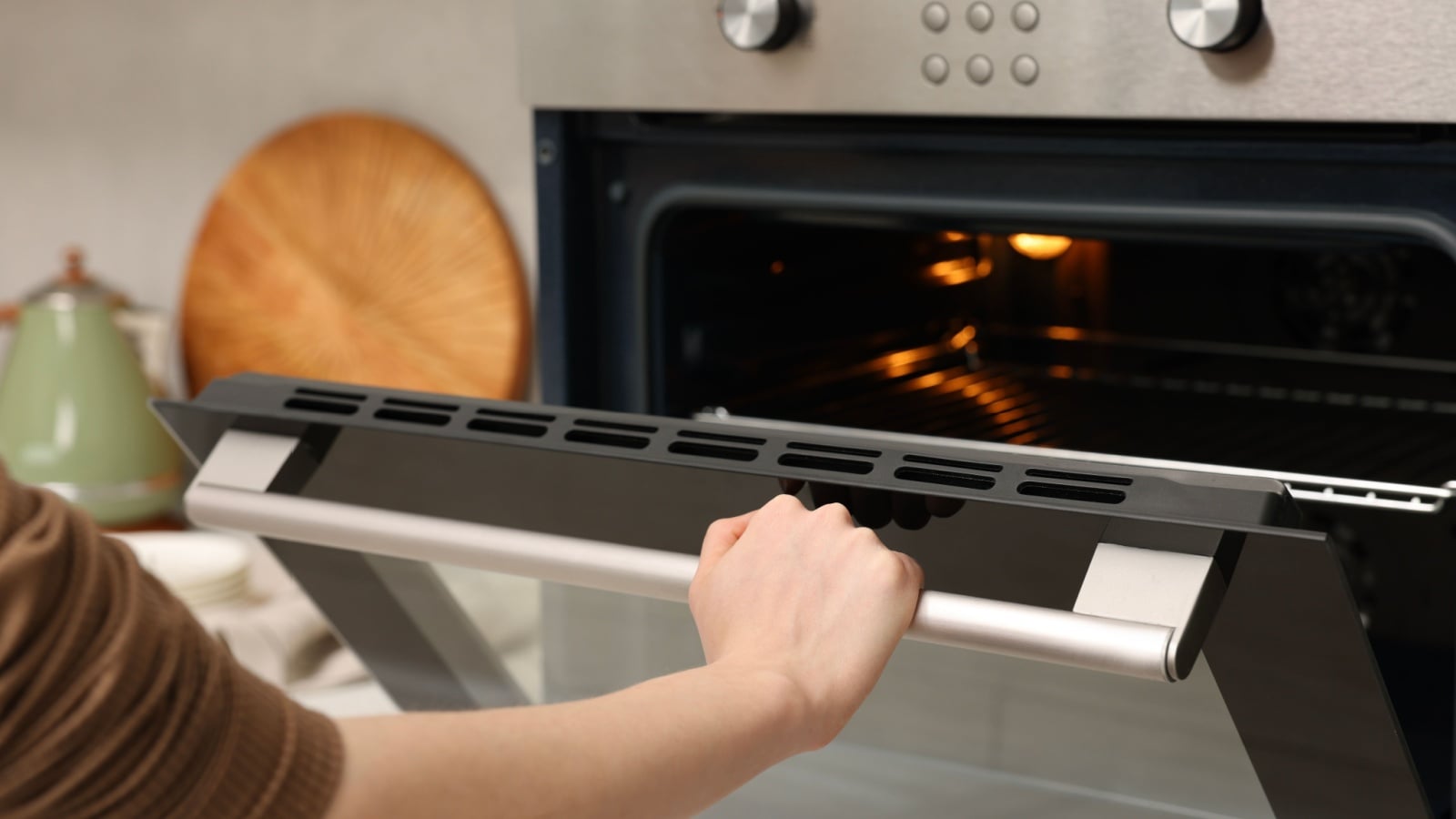
Using an oven with a convection fan can help you save money and time. These ovens heat up quickly, saving on utility bills and allowing your food to cook faster. You can do more in less time, leaving more time for other activities.
Use the Timer on Your Coffee Maker
Modern coffee makers have a timer that brews coffee and has it ready when you want it. This is great because it will make you a fresh cup of coffee when you wake up and doesn’t require energy to reheat the coffee if you’ve decided to sleep in for a little bit.
Energy-Saving Settings on Your Television

Most modern Televisions have the option to change the brightness and contrast through the eco-mode settings. Modern TVs allow you to adjust the screen settings to suit your needs. By adjusting these settings correctly based on the ambient light, meaning the room’s brightness, you can reduce the power usage without changing the viewing experience.
Smart Plugs

A Smart Plug is a great way to save money on household appliances. This small device allows you to monitor their power usage and see which ones you can turn off during the day. Smart plugs allow you to monitor your appliances’ power usage and create a schedule. This feature makes it effortless to lower your utility bills by automatically turning off your appliances when they’re not needed, empowering you to manage your energy usage and feel in control of your expenses.
30 Tricks to Save on the Electricity Bill No One Talks About

Utility bills are inevitable, but you can reduce your consumption and spending. Here are thirty uncommon tips to help you be more energy-conscious, benefiting the planet, your wallet, or both.
41 Shocking Ways You’re Throwing Money Down the Drain

There are many ways to increase the money in your bank account. Many people start by looking at ways to make more money. And, of course, that is a great solution. But it isn’t always the easiest. A better, easier way may be to examine your spending habits. By tracking your spending and seeing where every dollar goes, you’ll likely find several instances of spending money you don’t have to. It could be little things that add up or recurring monthly expenses that are an utter waste of money.
Once you eliminate your bad spending habits, that money can go toward your emergency fund, paying off debt, or other essential things. Here are the 41 biggest wastes of money to look out for.