Disclosure: This post may contain affiliate links, meaning if you decide to make a purchase via my links, I may earn a commission at no additional cost to you. See my disclosure for more info.
People have always loved to cook; nowadays, access to recipes is better than ever. Cable networks and streaming platforms offer thousands of cooking shows. Professional chefs and amateurs are all over YouTube, demonstrating their recipes, and the Internet is packed with recipe bloggers. However, some people still don’t understand what cooking skills or tricks are the most useful. Here are some of the best kitchen hacks and cooking tips in my arsenal.
1. Read the Recipe
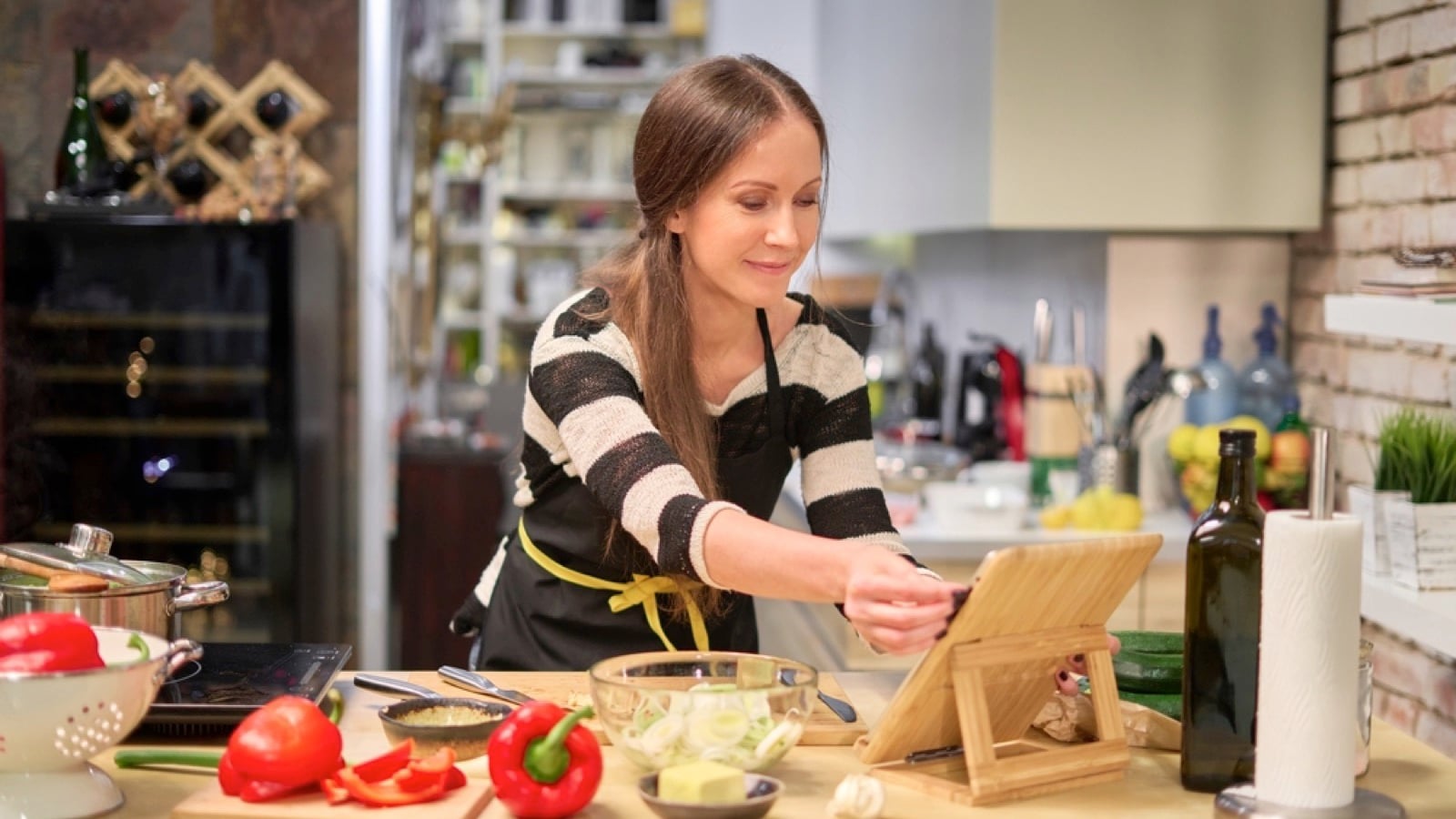
The struggle is real. I’ve started a dish more than once, only to find I missed a step because I didn’t read the recipe carefully. Sometimes, the recipe can be salvaged, but not always. Reading the recipe before you ever start cooking will help you understand what needs to be done and whether you have the skills and equipment to do it. Always read the recipe first.
2. Check for Ingredients

Knowing what ingredients you have on hand should be a given, right? Not necessarily. I started a recipe and grabbed what I thought was sour cream, only to see it was cottage cheese. The containers look similar, and I swore I had sour cream in the fridge. Take five minutes to check the recipe against what you have in the refrigerator and pantry so you don’t get caught out during the cooking process.
3. Proper Utensils
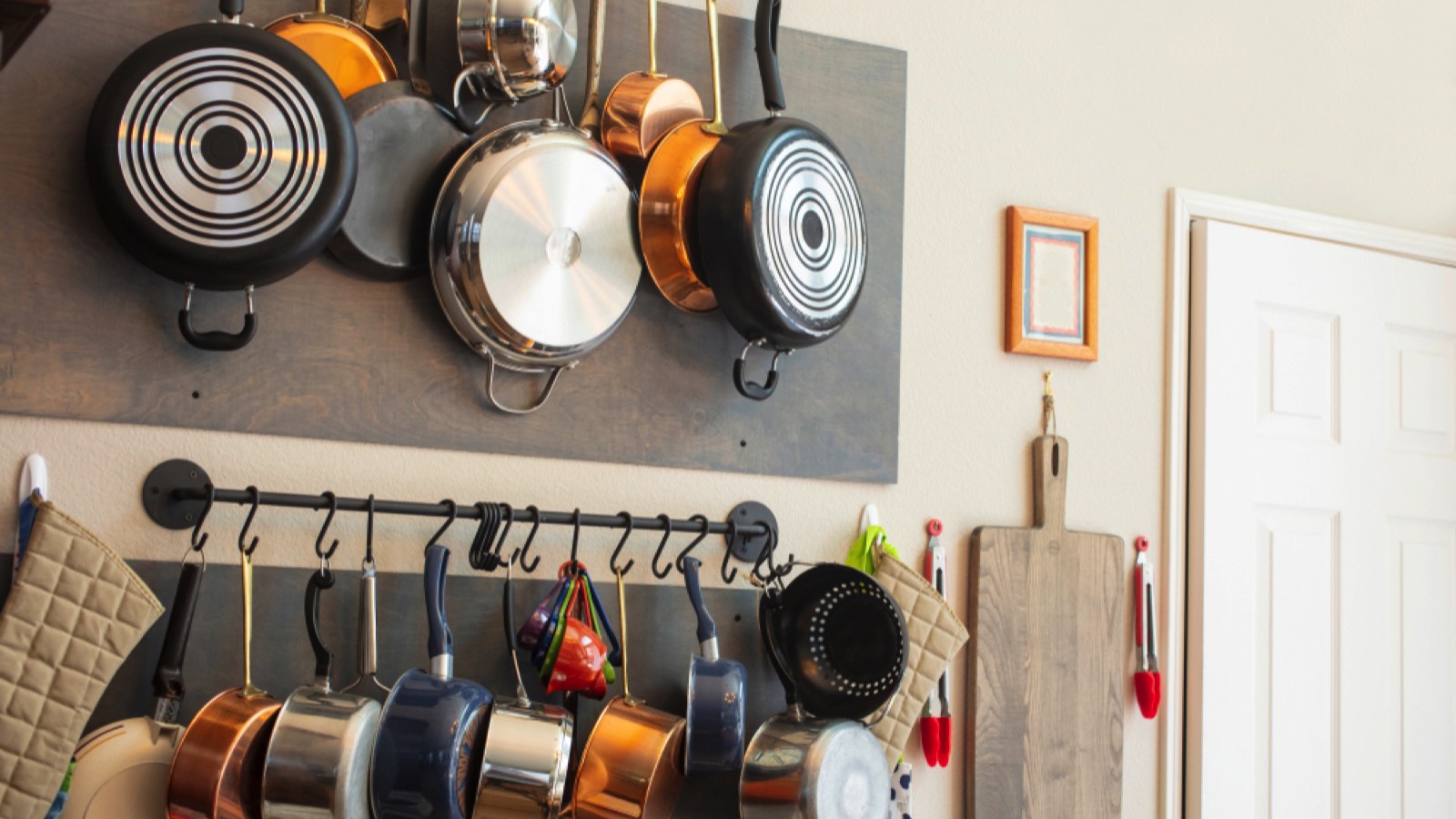
This is a hint, more than an actual skill, but it’s important. I’m a nut for kitchen gadgets, but they’re not all necessary; they’re just nice to have. You can do a lot with only a few utensils if they’re good quality. I recommend having a couple of decent knives, measuring cups and spoons, a cutting board, a spatula/turner, a wooden spoon, a medium mixing bowl, a sheet pan, an 8×8 baking pan, a 9×13 pan, pots, and one or two skillets. This basic set will do much of the kitchen’s heavy lifting.
In the same vein, know your utensils. Know what they do and where you can use them. Don’t use metal utensils on nonstick pans, for instance. Stick with nylon, silicone, wood, etc.
4. Measure Accurately
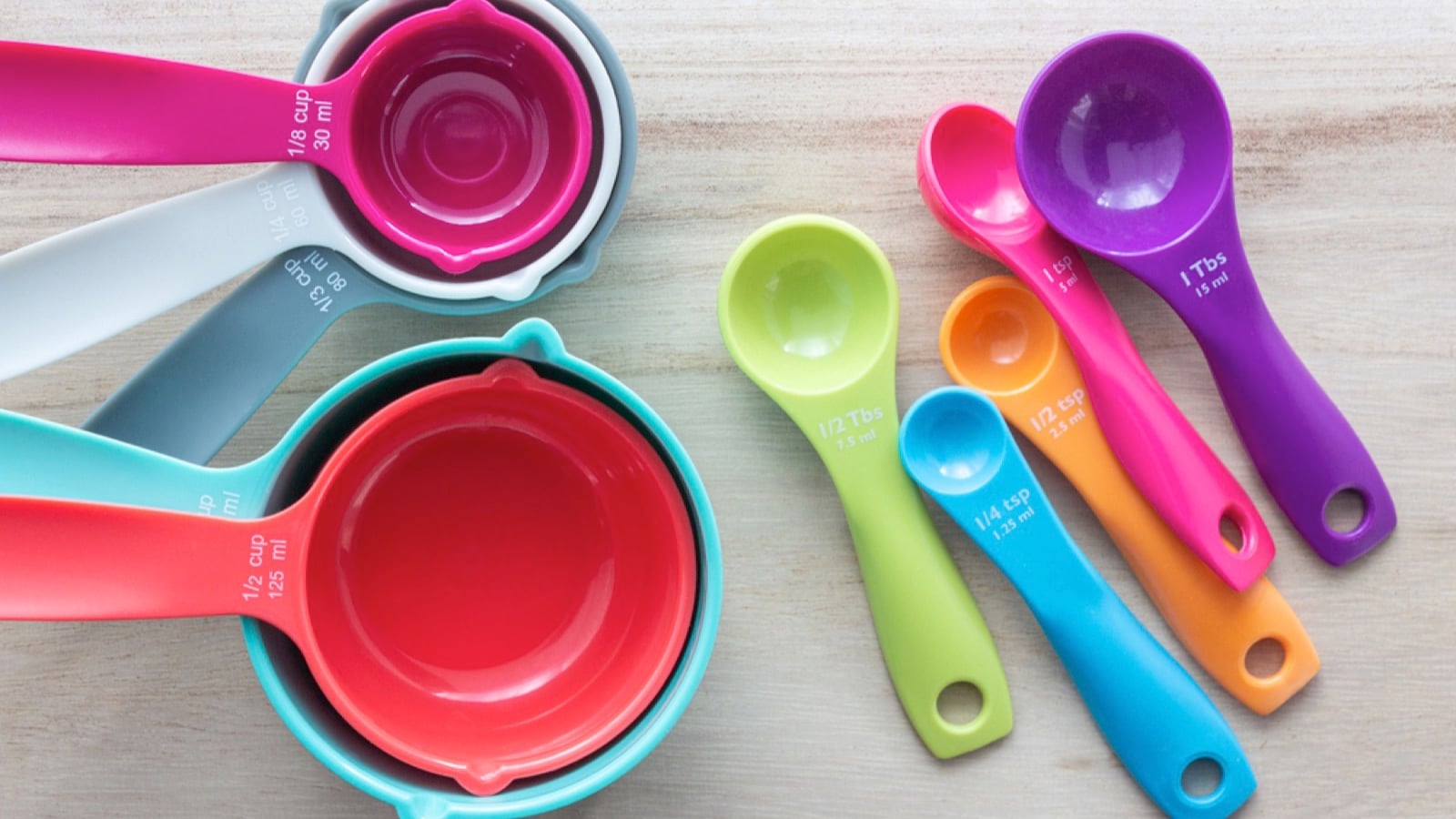
Some recipes call for a “pinch” of some ingredient, which means measuring isn’t critical. However, accurate measurements are critical for other recipes, often baked goods. Using a digital scale is the best way to measure flour in particular. The “dip and sweep” method usually works, but get a scale for absolute accuracy in baking.
Use measuring spoons whenever possible, and ensure you use the correct measuring cup for your ingredients. You need a set of “dry” cups for dry ingredients like sugar and flour and a good “wet” cup for water, milk, oil, etc.
Accurate measurements help the recipe turn out the same way every time.
5. Mise-En-Place

This French term really means “have it in place.” I used to think TV cooks had all their ingredients set out beforehand because it was TV and had to look good. It turns out there’s actually solid reasoning behind it. Having the ingredients prepped and ready to go ahead of time makes the recipe come together much faster.
Although the television chefs have every ingredient in little glass bowls, that’s unnecessary. Home cooks don’t have to use fussy little bowls for ingredients. Most people have several plastic deli containers taking up space in their kitchens. Save some money and use those containers for your mise-en-place bowls. I use the lids for holding grated garlic, lemon zest, or similar. The bowls are perfect for grated cheese, chopped vegetables, and other ingredients. Plus, if you drop one, it won’t break. It’s a win-win.
6. Sharp Knife Skills
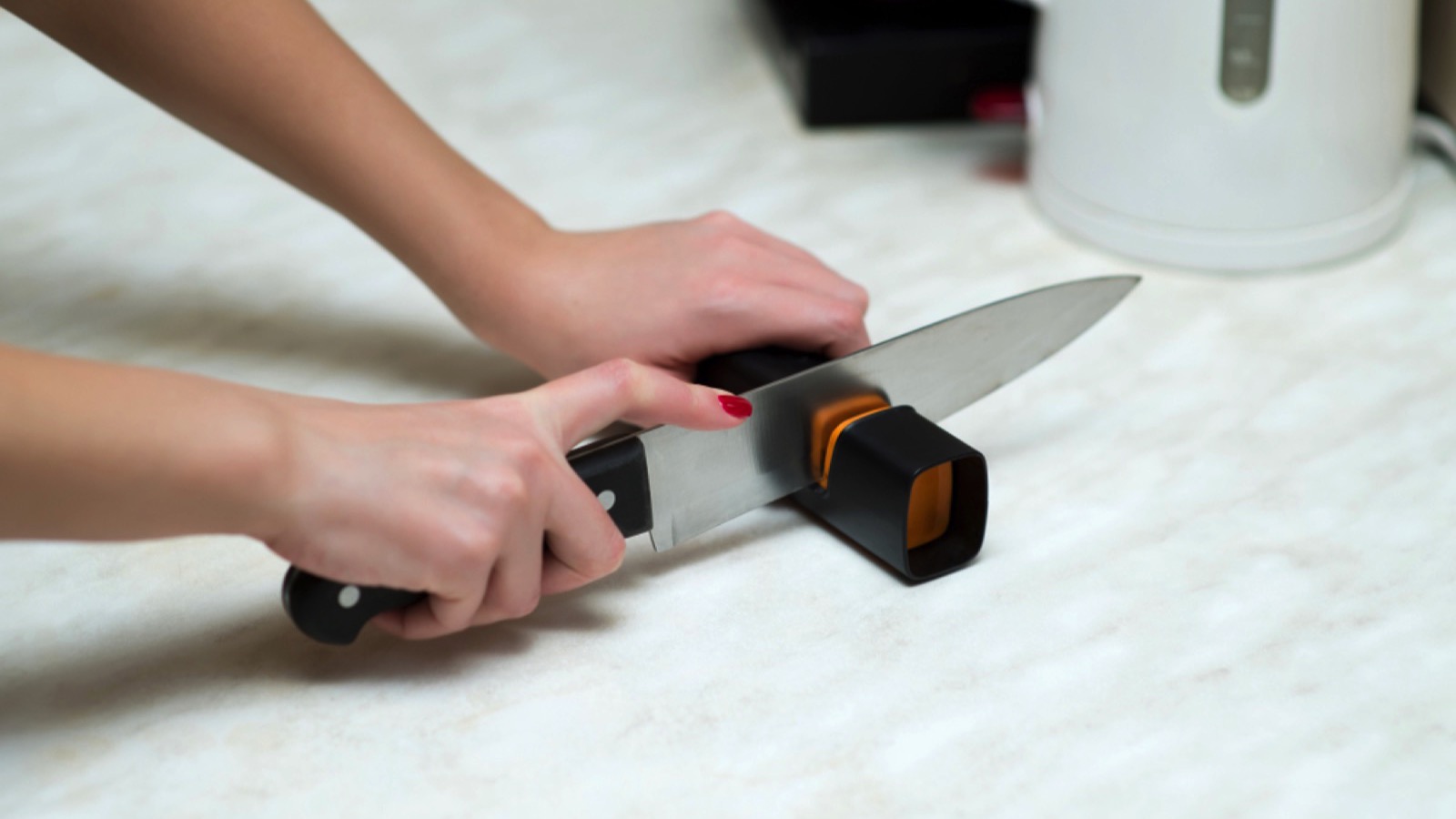
This has a double meaning. First, make sure your knives are sharp. Dull knives are dangerous in the kitchen. I wondered why experts said that until I tried to cut through a sweet potato with a dull knife. I used extra force to get the blade through the vegetable and nearly took a finger off. Since then, I have sharpened my knives myself or had them sharpened. You don’t need a $300 chef’s knife for good results. You need a sharp knife.
Good knife skills will also save you a lot of time in the kitchen. You can work faster and won’t need to drag out the food processor for small jobs. I can dice a medium-sized onion in about two minutes now that I know the chopping technique. Watch demonstration videos for tips on how to execute these skills correctly. You’ll save time and may even impress your friends with your expertise.
7. Well-Stocked Spice Cabinet
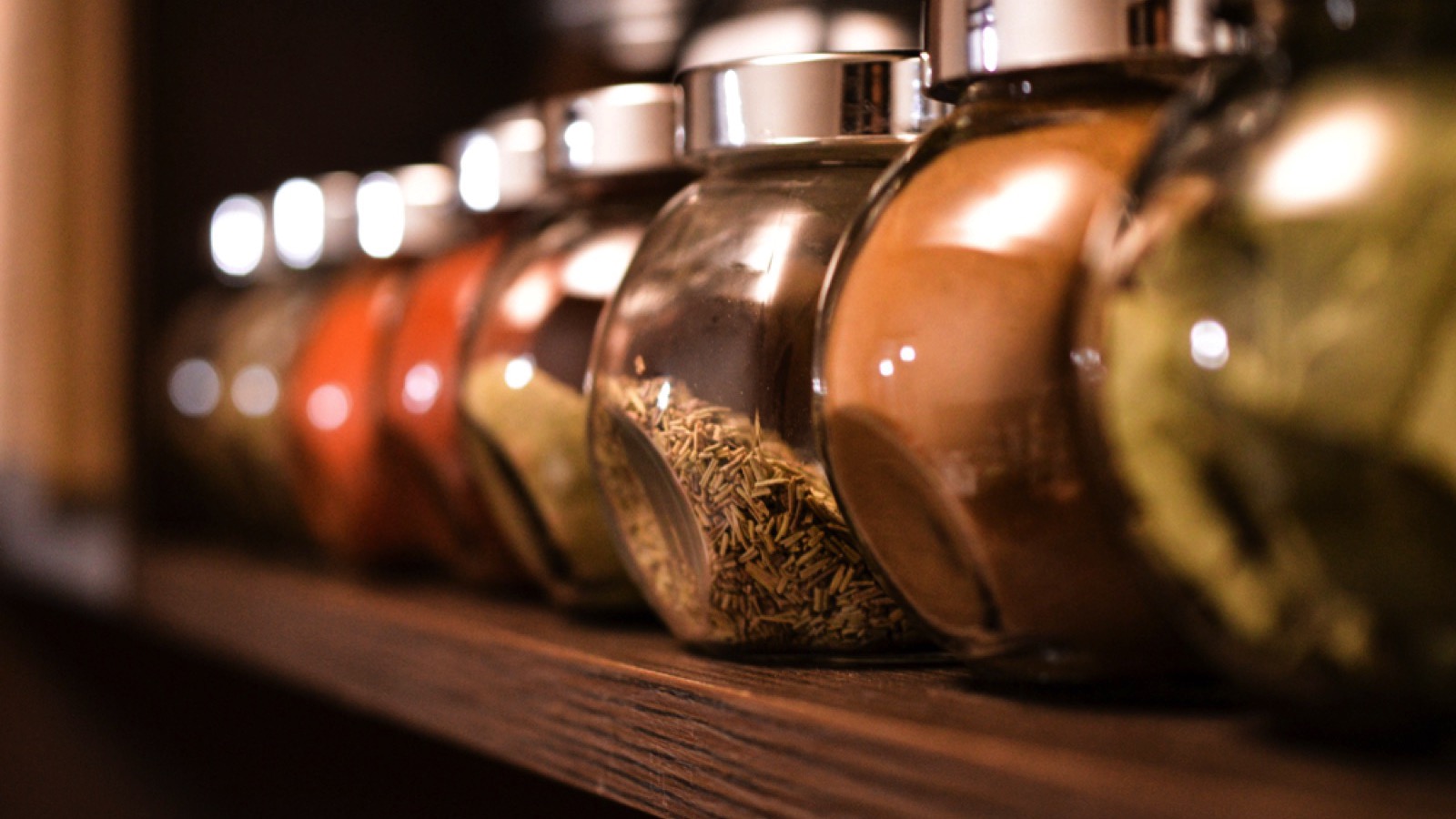
Having a variety of spices on hand will allow you to add great taste to whatever you cook. There are numerous guides to using spices online and in nearly every cookbook, so if you’re confused about what spice is good for what dish, start there.
Check the dates on your spices. They do get old and lose their potency after a while. Keep them in a cool, dark, dry place to maintain usefulness. If you can’t smell the spice in the jar or it tastes “off,” it’s time to throw it in the garbage.
8. Don’t Diss Convenience Foods

Culinary science has come a long way since the aspic salads of the 1950s. Most canned or frozen foods do just as well as fresh in most recipes. If you don’t have the wherewithal to soak a pound of pinto beans overnight, open a couple of cans. Rinse them in a colander under running water. This is a good tip for most canned vegetables. That removes the canning liquid, which isn’t always tasty. However, the canning liquid can be used as a substitute ingredient. For instance, the canned chickpeas (aquafaba) liquid can be whipped and substituted for egg whites in vegan recipes. Instant potato flakes also have a variety of uses in the kitchen, and sometimes, it’s just easier to make them than to peel, chop, cook, and mash your own.
9. Timing

Learning to time several recipes for a meal takes practice, but it’s worth mastering. This is where reading a recipe beforehand, mise-en-place and good knife skills earn their keep. These techniques help cooks prepare their recipes so everything is hot and fresh when served.
Some recipes can hold for a little while in a warm oven or be placed in the fridge without losing flavor. A cook needs to understand what can hold and can’t to use the cooking time (and oven space) most efficiently. This is important when cooking a holiday dinner with several dishes competing for the oven and stovetop.
10. Appliance Know-How

Speaking of ovens and stovetops, every appliance is different. Some ovens may run a degree or two hotter or cooler than the set temperature. Oven thermometers are inexpensive and will help a cook know if their oven is accurate. Baked goods are finicky, and a correct oven temperature is crucial for good results.
Know how to use your kitchen appliances and understand their suitability. Microwaves are a modern marvel, but they don’t do everything well. Toaster ovens are great, but not for every task. Know your appliances and how to use them to their best advantage.
11. Know Your Kitchen Hacks
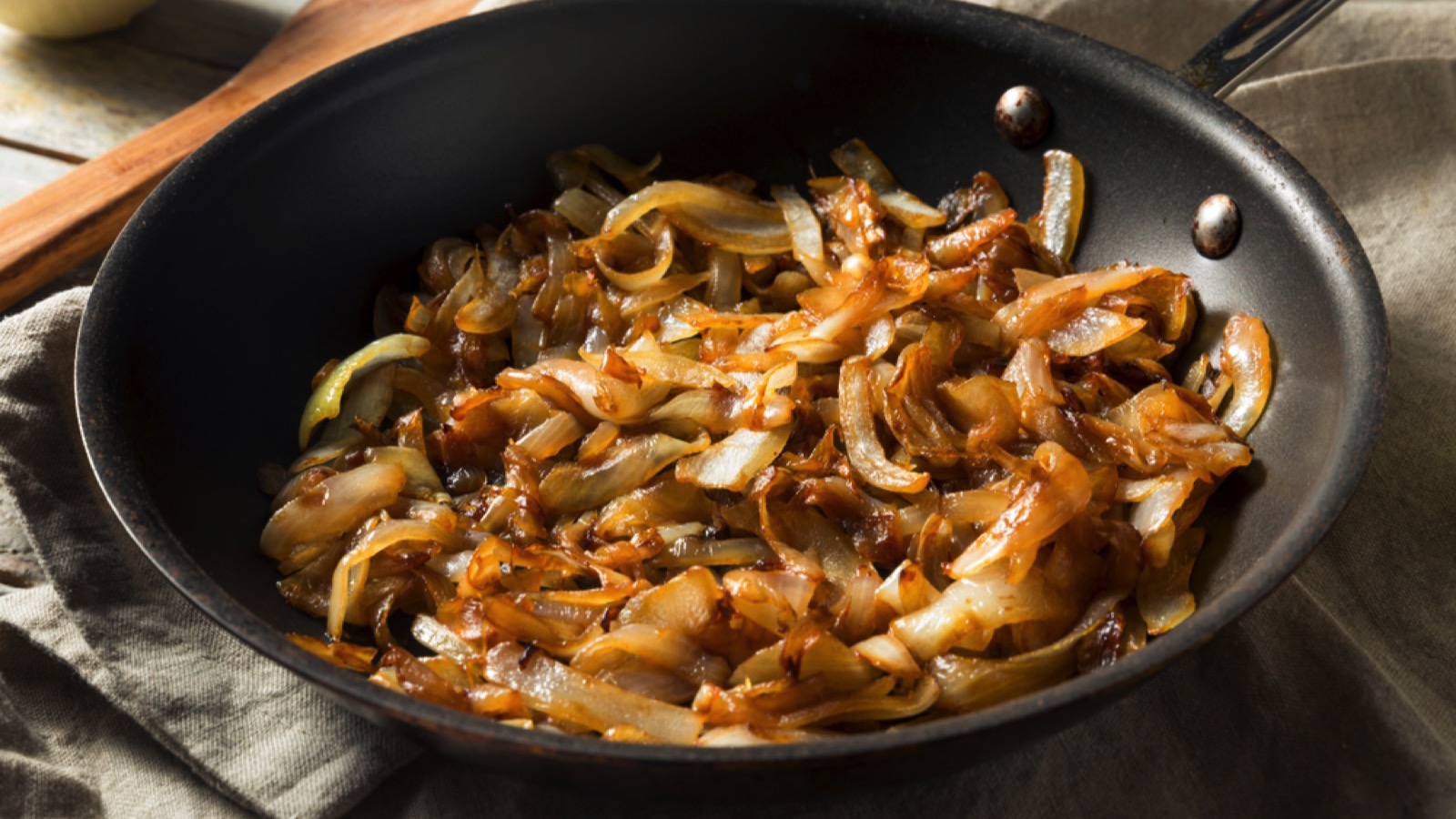
Another great advantage of the Internet is the plethora of cooking tips on websites and blogs. You can find a hack for nearly every cooking technique imaginable. I picked up the great tip of adding a pinch of baking soda to chopped raw onions to help them brown and soften more quickly. I also learned that starting them in a cold pan works, as well as heating the pan beforehand. Need to thicken a soup or stew? Add a few instant potato flakes before risking a flour or cornstarch slurry.
Most cookbooks and cooking sites also have a substitution list that cooks can use to substitute common ingredients if they’re out of something or for dietary restrictions. For instance, a cook can substitute cocoa powder and oil if a recipe calls for baking chocolate. Having some common hacks at your fingertips can save a recipe.
12. Kitchen Emergencies

Unfortunately, bad things happen in the kitchen, from ruined recipes to actual injuries. Every kitchen should have a fire extinguisher nearby. Make sure it’s operated easily since the confusion of a kitchen fire may make it difficult to concentrate.
For less drastic situations, baking soda or a sturdy pan lid will also help extinguish small flame-ups.
If food burns on the bottom of a pot, baking soda and water can help remove it. There’s one miracle hack for sugary ingredients that have burned: liquid fabric softener. It sounds bonkers, but it works. Add warm water and a quarter cup of fabric softener to the burned pan. Bring to a low boil for about five minutes, then turn off the heat and allow the pan to sit for five or 10 minutes. The burned mess can be removed easily, usually without damaging the pan.
A first-aid kit is necessary for any kitchen to treat cuts and burns.
13. Clean as You Go
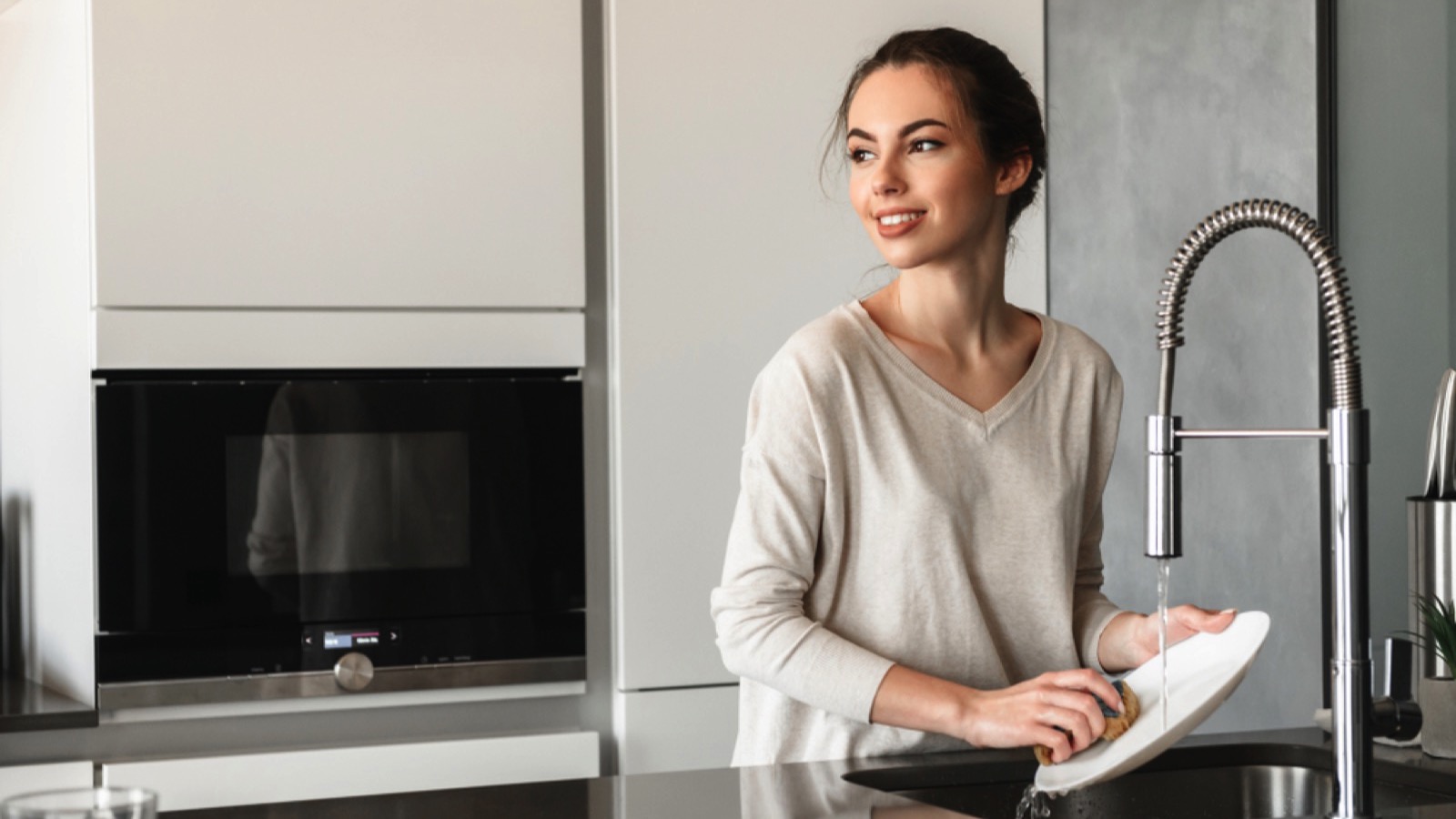
This was a challenging skill for me to learn. I wanted to dive right into a recipe and then relax while it cooked, saving the dishes for later. Don’t do that. Start with a clean kitchen, then rinse and wash as you go. Use every free minute to clean dishes or utensils; you’ll have much less to do when the meal ends. I don’t have a dishwasher, so I find this essential skill to keep my kitchen from looking like a disaster area.
14. Tried and True Recipes
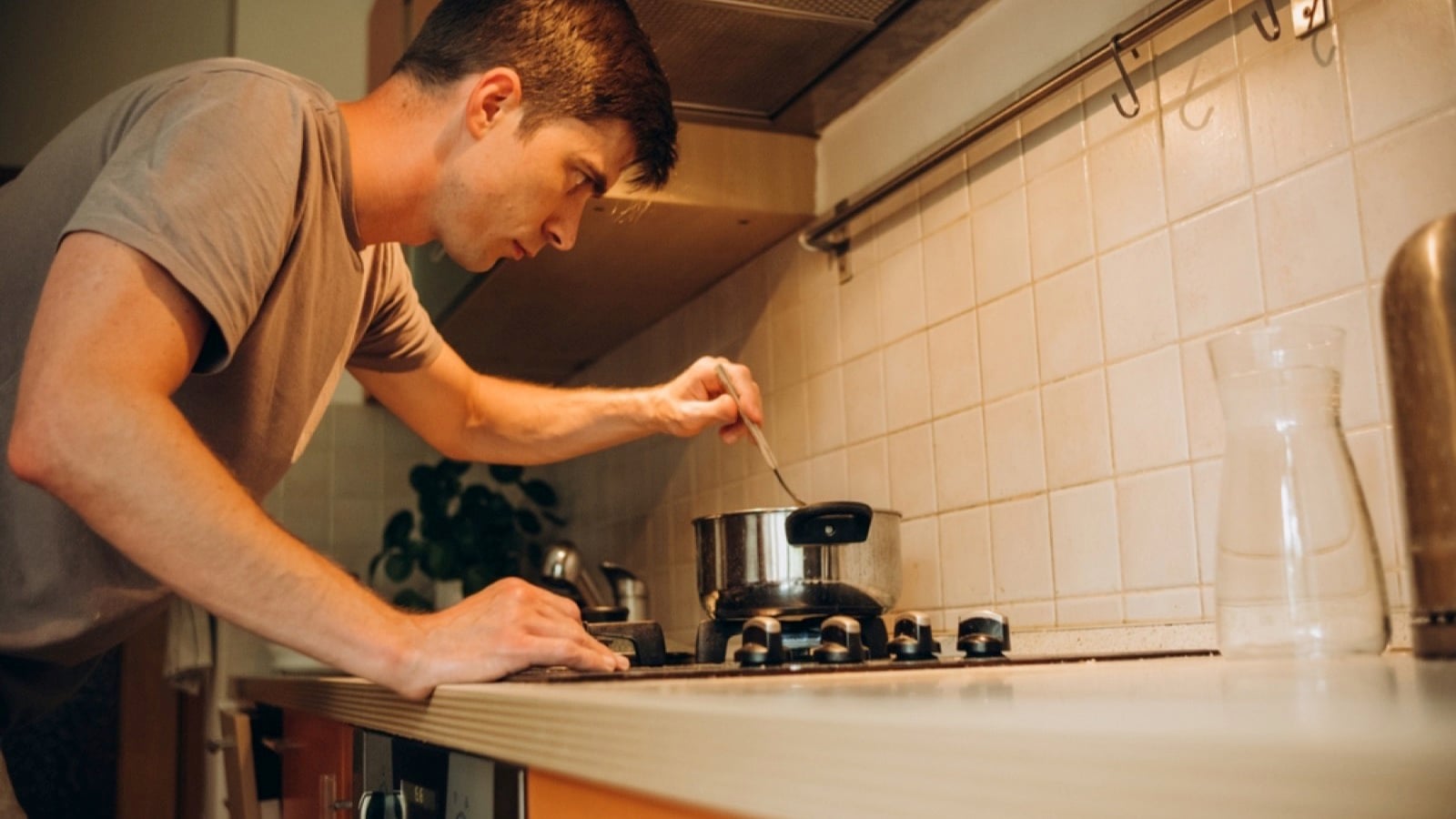
Keep track of what works. Print out and save recipes that turned out well so you can have them in the future. If you need to make something in a hurry, turn to the recipes you know will be successful every time. Have the casserole recipe that works no matter what “cream of” soup flavor you use and is tasty whether you top it with buttery crackers or panko crumbs. These basic recipes of your kitchen repertoire should serve you well for years.
15. Keep Learning

No cook or chef ever learns all there is to know about cooking. New appliances are introduced, new techniques are devised, and new recipes are created to offer a better way of doing something. I’ve been cooking most of my life, but I still love to watch cooking shows and read books about it to increase my knowledge base and learn new skills. Cooking is a creative outlet for me, and I always want to improve my abilities.
12 Surprising Facts About Your Favorite Fast Food Brands
 Brightly colored, ever available, satisfyingly greasy. The comfort of a familiar, friendly fast food joint is uncontested. Most Americans know the famed yellow arches of a McDonald’s or the vivid green color of a Starbucks kiosk. And while a palm-sized cup of fresh french fries might not alter your perceptions of well-known fast food brands, these surprising facts just might.