

Disclosure: This post may contain affiliate links, meaning if you decide to make a purchase via my links, I may earn a commission at no additional cost to you. See my disclosure for more info.
Financial security is more than just a dream; it’s a goal within reach for anyone willing to take a few smart steps. Imagine a future where unexpected expenses don’t derail your plans and where you can confidently build towards your dreams. This guide offers 15 straightforward and effective strategies to help you unlock the financial stability you’ve always wanted.
1. Set Your Financial Goals

Before starting your journey to financial freedom, you need to establish your goals. Where do you want to be financially in six months? One year? Five years? Whether you want to pay off some debt, grow your savings account, or start saving for retirement, you need a goal to help you stay on track. Goals help you stay accountable and keep your eyes on the long-term prize of financial security.
2. Adjust Your Lifestyle

Getting control of your finances might mean making some personal sacrifices to your lifestyle. Simple sacrifices like making coffee and dinner at home instead of eating out can help you save a lot of money in the long run. The money you save can be used to pay off high-interest loans or invested in retirement.
3. Know Your Current Financial Status

Wherever you are on your venture to financial stability, you must take stock of your current money situation. You need to know where you have been before you know where you are going. Add up all of your current debt and compare it to your estimated earnings. From there, you can start developing a plan to lower the debt and increase your emergency fund so you don’t have to rely on credit cards for unexpected purchases.
4. Debt Consolidation

Combining multiple balances on different accounts into one monthly payment could help you stay organized as you pay off your debt. Focusing on one account is much easier than juggling four or five accounts each month. A consolidation account might also provide a lower interest rate, meaning you will pay off more debt instead of accruing interest.
5. Track Your Spending

Tracking your spending can open your eyes to unnecessary expenditures and frivolous purchases. If you live paycheck to paycheck and struggle with your finances, this can show you where to start trimming your budget. Many free downloadable apps can help you track and analyze your monthly spending. These can help you spot ways to save money. That money can be used to help you grow that emergency fund we recently discussed.
6. Set a Budget

After tracking your monthly spending, it’s time to formulate a budget to keep you on track with your money management. The resource will help you avoid unnecessary purchases and spend your money where it is most needed. When setting your budget, make sure you allow some flexibility to account for surprise expenses. It may take a few months to fully dial in that budget. The same apps that helped you track your expenses can also be used to create and help you maintain your budget if you need some help getting started.
7. Adjust Your Budget

As mentioned, your budget might need to be adjusted as your financial situation changes. This is where it helps to be flexible. After a few months, you may notice that you spend more in one category and less in another. You may have gotten a raise and want to allocate more money to savings every month. These changes ensure that you are moving towards your financial goals.
8. Pay off Debt

One of the easiest ways to achieve financial freedom is to eliminate debt. Carrying around debt from month to month can seriously hinder you from future large purchases like a car or a house. Setting aside a portion of your paycheck to start lowering your monthly payments will erase that debt as fast as possible. Make sure you’re paying more than the minimum fee to avoid high-interest rates and spending extra money over time.
9. Change Your Credit Card

If you have control over your credit card debt, you should look at your card and see if it’s the right one for you. Savy credit card users can rack up some serious monthly rewards, which they can use to turn into cash at the end of the year. Look for cards that offer cash back for spending on daily items like gas, groceries, and restaurants. If you pay off the balance at the end of the month, you can earn extra money for savings or investing.
10. Pad Your Savings

If you have debt and little to no savings, your excess money should be used to pay off debt and grow your savings account. While it might sound appealing to pay off credit card fees as soon as possible, experts agree you should also have a savings account to float for six months in case of a loss of income. Make sure your budget is set to grow your emergency fund and lower your overall debt.
11. Build Your Credit
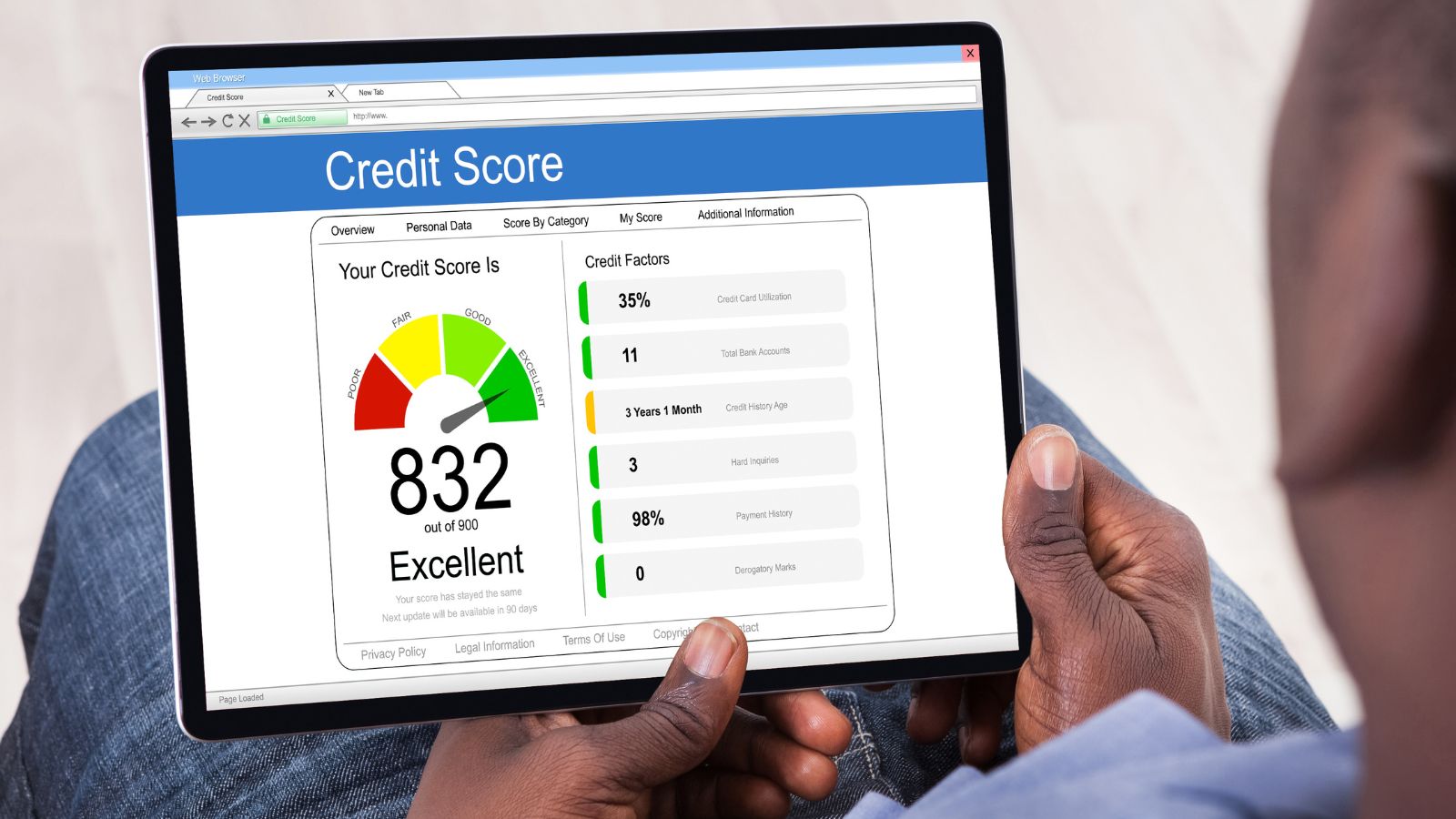
Your credit score can follow you around like a black cloud or lead you to a pot of gold at the end of the rainbow. It can help you secure loans for large purchases, affect your interest rates, and even factor into a company’s decision to hire you. Building a solid credit score includes making on-time payments, keeping a low balance, and maintaining a long account history. Many free resources are available to help you track your scores online.
12. Take Advantage of Employer Contributions

If you work for a company that offers a matching 401(k), you should start taking advantage of it. Even if your company only matches a small portion of your monthly contributions, that money can add up over time. In addition to your employer helping you retire, you can deduct your contributions at the year’s end, lowering your taxable income.
13. Become Financially Literate

Many people find financial and investing advice incredibly intimidating. It really doesn’t have to be. Learning the basics of money management can be as easy as listening to a podcast. Many free podcasts are available for beginner investors to use as tools on their journey to financial freedom. The more you know about money management, the better your chances of succeeding.
14. Evaluate Your Career

Your career directly influences your financial status. If you live paycheck to paycheck, it might be time to evaluate your career. Do you see yourself in line for a promotion? Will your income continue to grow as you grow in your field? If the answers to these questions leave you in doubt, you might want to consider finding a job that pays more or offers more growth opportunities.
15. Seek Professional Advice

Sometimes, managing your finances can be too daunting to do alone. Fortunately, financial advisors are available to make it easier for you. You can seek professional advice through your bank or credit union. Most financial advisors don’t make money unless you do, so they have your best interests in mind. Check your local financial institution and schedule an appointment to see if this service is right for you.
10 States Americans Are Leaving in Droves and 5 States They Are Moving To

Do you know what’s becoming as American as apple pie? Internal migration! People are packing up and moving from sea to shining sea, but why? Let’s dive into this great American shuffle; check out the top 10 states folks are abandoning and the top five they’re flocking toward. What motivates the movers? Is it the quest for better jobs, sunnier skies, or just a change of scenery? Buckle up as we hit the road to discover what’s pulling Americans in new directions!
13 Frugal Habits You Have Never Heard Of, but You Should Know

Are you ready to give your savings account a healthy boost? In today’s world, being frugal isn’t just about clipping coupons or skipping that morning latte. It’s about discovering creative, lesser-known strategies that help you keep more of your hard-earned money. We’ll unveil 13 frugal habits you’ve probably never heard of but should know. These aren’t your run-of-the-mill money-saving tips. These are game-changers! These habits will help you save more, spend less, and ultimately achieve financial freedom.


