
Disclosure: This post may contain affiliate links, meaning if you decide to make a purchase via my links, I may earn a commission at no additional cost to you. See my disclosure for more info.
Your credit card is a coveted tool. It provides valuable credit to buy the things you want and generally improves your financial health. That said, a credit card is often intimidating for a first-time user. Terms like interest rates, late fees, and due dates can send your head spinning if you don’t know what they mean.
To develop a better relationship with your card, look no further than these vital tips. They will help you get the most out of your card while safeguarding your finances.
Understand How Credit Cards Work

A credit card works with a credit account. When you purchase goods and services, the bank supports your purchases using a credit card as payment.
Your credit card also has a spending limit you can stay within. For a $3000 limit, every purchase you make decreases the amount.
Can You Afford It?

This is the first question you should ask before applying for a credit card. You’ll always be stressed if you cannot keep up with the monthly payments.
Even if you manage to make payments, interest will still accumulate on the credit card, dragging you into debt. Ensure you can handle a card and all its payments, and then some, before applying for one.
Know Your Terms

You’ll encounter terms like cash advance, credit limit, available credit, revolving line of credit, statement balance, minimum payment, and more. A cash advance is a fancy term for a fast credit card loan, and available credit is the difference between your credit balance and credit limit.
Your statement balance indicates the most recent amount on your credit card closing. Learning to distinguish between these terms is like walking into a well-lit forest.
Understand the Interest Rates

Credit card companies make money by charging an interest rate. Different banks offer different rates on their credit cards. That’s why it’s essential to do your due diligence and find the most favorable interest for you.
Information by TransUnion states that credit card holders mix up the terms associated with interest rates. The interest rate is a percentage on the card issuer’s website. To better understand, ask the bank to break it down so you know what you’re paying.
Study Your Payment Terms

One thing about credit card balances is that you have to repay them. Your payment terms are what they sound like—terms that will guide you through a billing cycle.
Studying these terms will help you keep up with the requirements to avoid racking up debt. You’ll also better understand your minimum payment and how it will translate into your credit score.
Be Honest About Your Spending Habits

Being honest about your spending habits will determine whether you can handle a credit card. If it will drive you into debt, you can strictly use the credit card as an emergency fund.
Remember, even using your credit card occasionally will require the highest discipline. If it becomes a source of worry, it’s best to do away with it and consider other ways to support yourself financially and build your credit.
Negotiate Your Terms

Your bank will offer a payment date, but they could adjust this date if you’d rather keep a consistent one. The beginning or end of the month makes the most sense, as most people receive their payment during this period.
Should this date change, inform the bank so they will know when to expect payments. Did you know you can also negotiate a lower interest rate? Exhaust these options so you can go home with the best deal.
Request an Increase When You Can

Your credit card doesn’t come with a fixed limit. You could increase your card limit if your circumstances change or your income demands it. Call your lender to communicate these changes and determine what an increase calls for.
Raising your credit limit will boost your credit score as it decreases your utilization ratio, the ratio of the cash borrowed to the amount you can still borrow.
Enjoy Good Offers

Credit card users often take advantage of low interest rates, rewards points, and annual promotions. The more you spend, the more your reward points accumulate and the easier it is to enjoy no-interest periods and discounts on travel amenities.
However, you can only enjoy these great offers if you pay your credit card in full and on time monthly. So, there is an upside to being a timely payer.
Have a Budget

Yes, you read that right! Using your credit card realistically is the best way to go. The 50/30/20 rule should work magic. Experian shares findings that splitting your income into these categories will always give you the upper limit.
50% of your credit card amount should cover necessities and utilities. Spend 30% on what you want to buy but don’t necessarily need or pay debts, and save the remaining 20%. Your spending should go hand in hand with your income so you don’t end up in a financial sinkhole.
Aim for Less

Have you ever heard the saying less is more? A 30% credit utilization ratio will boost your credit score, but exceeding it will drag it down.
Going over your credit card limit will provide short-term relief but has grave financial consequences. It will accumulate fees, keep you in debt, and eventually damage your credit score. It’s not worth it in the long run.
Enjoy First-Time Perks

First-time credit card users don’t pay an annual fee. A credit card with no yearly fee remains open forever and will build a reliable credit history with each passing month. The best card allows you to earn rewards while you spend.
You’ll not need collateral to open a bank account, as new credit cards offer a low-security deposit.
Review Your Charges
Reviewing your charges reduces unauthorized card charges. Although a credit card is more secure than a debit, you can never be too confident in the cybercrime era.
Even though credit cards protect their users through fraud protection, paying particular attention to your credit card bill will help you know if anything goes wrong.
Think Carefully Before Canceling
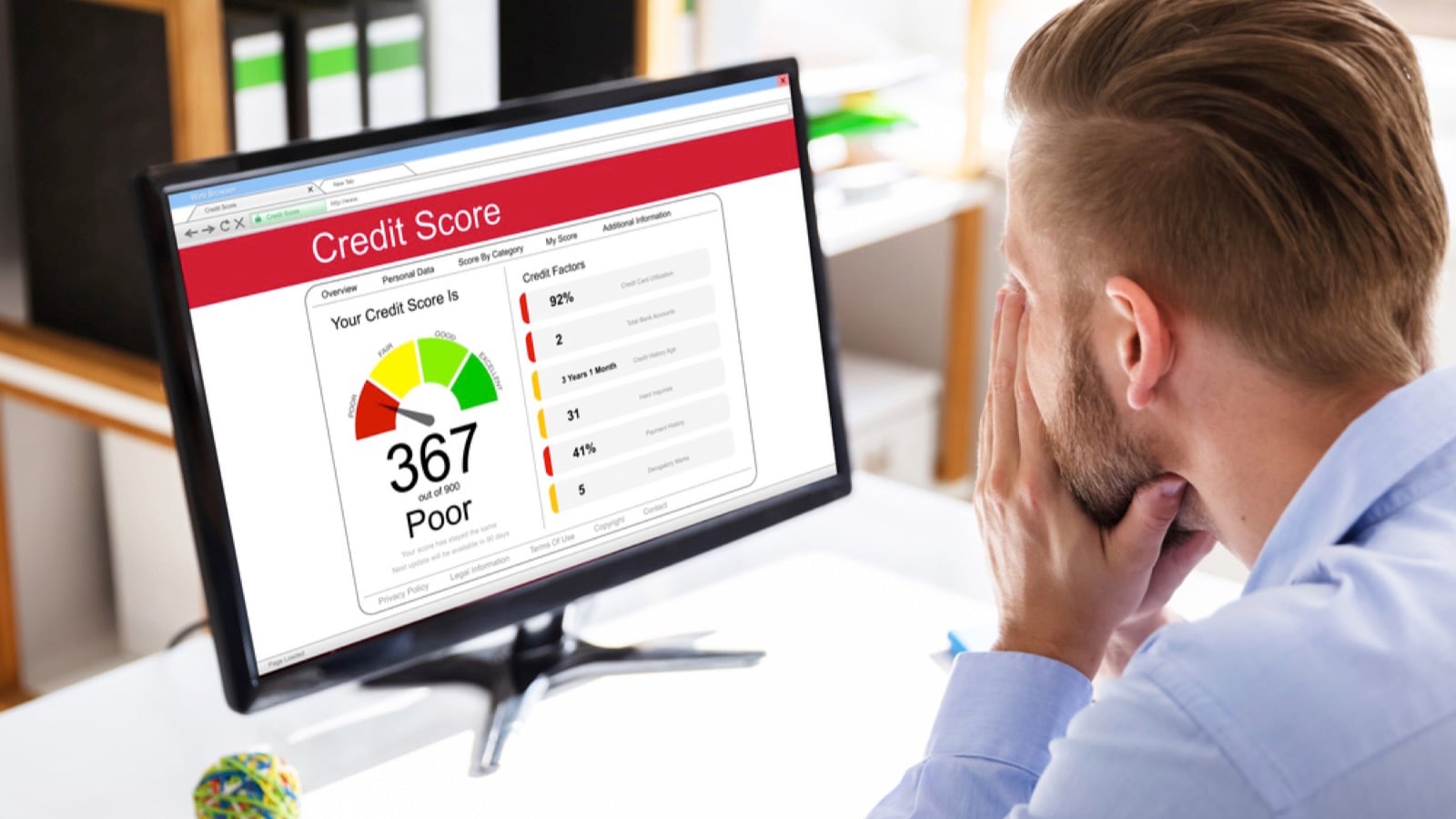
Use your first credit card responsibly to positively impact your credit history. Canceling your card has the opposite effect; it negatively affects your credit score by decreasing your overall credit limit.
There are understandable scenarios for closing your credit card; inquire how the closure will affect your credit score and how best to do it.
Be Patient
Getting your credit card is exciting, but it doesn’t mean you should pull out your card every chance you get. Consider different types of credit cards, weighing their pros against their cons.
At the very least, research all your options to determine what works for you. Don’t hesitate to call the bank and ask questions so you’re well-informed and make the best credit decisions.
The Purpose of a Budget and 11 Reasons Why You Need One

The primary purpose of a budget is to track your income and expenses. A budget also ensures your bills are paid on time, helps you plan for the future, helps identify any bad spending habits or areas where you could reduce your spending, and ensures that your spending reflects your priorities. By creating a budget and sticking to it, you can ensure your needs are met, your bills are paid on time, you get out of debt, and you meet your financial goals.
15 Activities Now Out of Reach Amid Economic Price Surge

In this era of profound social division and discord, one thing everyone can agree on is worsening conditions for healthy personal finance. Whether it’s the dream of homeownership, the goal of building a robust investment portfolio, or simply affording necessities like food, individuals across the spectrum struggle to overcome the decline in their financial well-being due to economic changes.