Disclosure: This post may contain affiliate links, meaning if you decide to make a purchase via my links, I may earn a commission at no additional cost to you. See my disclosure for more info.
During the pandemic, new car prices skyrocketed, and interest rates on loans for used cars followed suit. As a result, people are clinging to their old, reliable cars for as long as possible. Here are 15 Ways to Make Your Car Last 200,000 Miles or More.
Still, getting the most out of your vehicle’s lifespan can be tricky. Is there a reason some cars routinely rack up 200,000 miles, or is it just a coincidence of responsibility and dumb luck? The answer is a little of both.
Keep reading for suggestions on how to get luck on your side. Whether it’s maintenance or quality ingredients, these hints will help keep your car running as long as possible.
1. Do Your Research

Before purchasing a car you plan to drive for over 200,000 miles, research before you sign the financial paperwork. Certain brands of vehicles are known to last for many miles, while others have a less-than-perfect reputation.
Make sure you read expert opinions and articles on the most reliable cars. Vehicles with the best reputations have those for a reason, so you’re most likely to get the most mileage out of these brands rather than taking your chance on a competitor.
2. Regular Maintenance
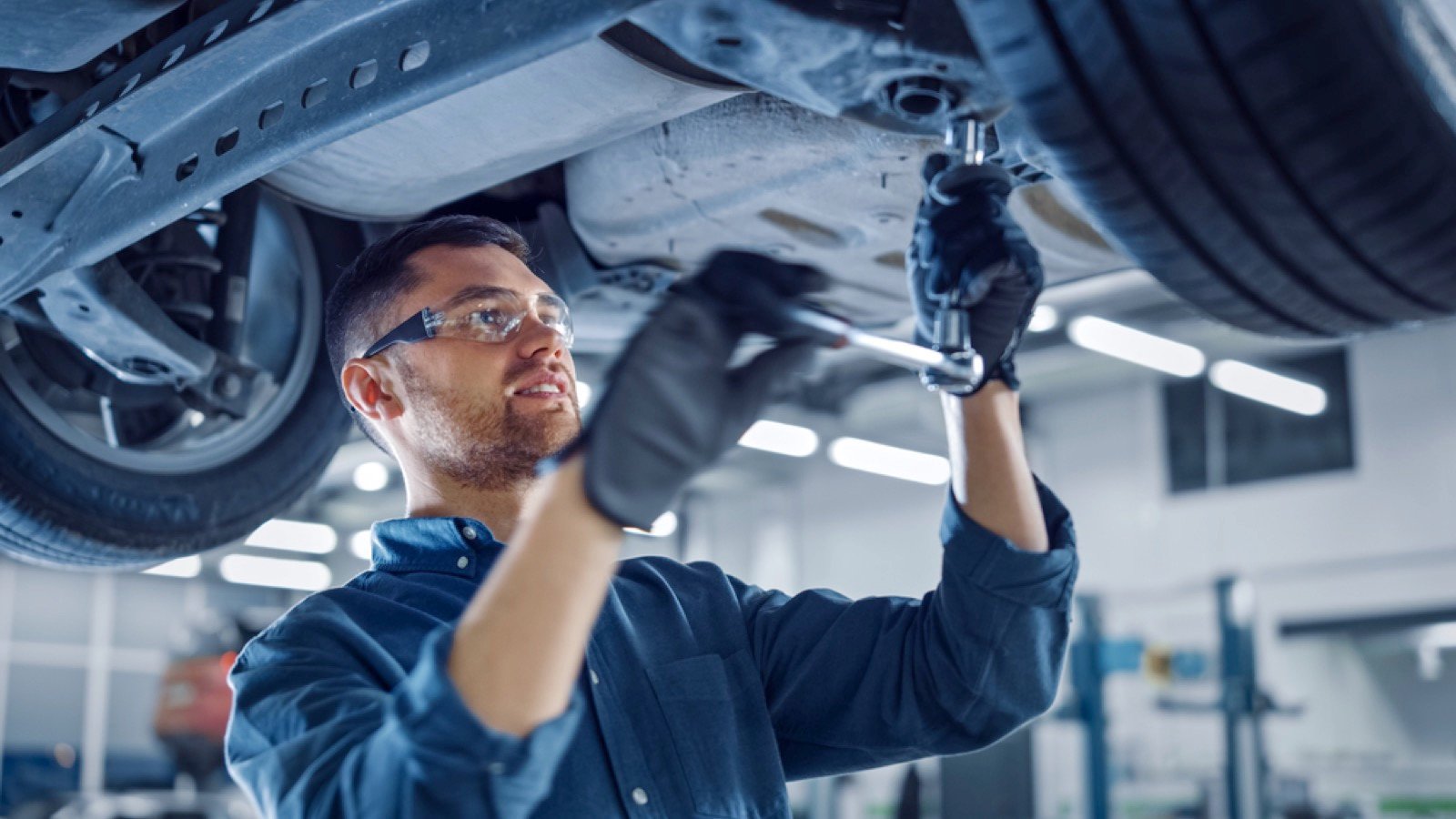
Just like most big-ticket items, regular maintenance on your vehicle is crucial for a long life span. Following the suggested service schedule in your car’s user manual will help all the engine’s vital parts run smoothly and avoid damage caused by neglect.
It’s also smart to find a trustworthy mechanic and listen to them. They can recommend services for older cars and specifically for your vehicle.
3. Use Synthetic Oil
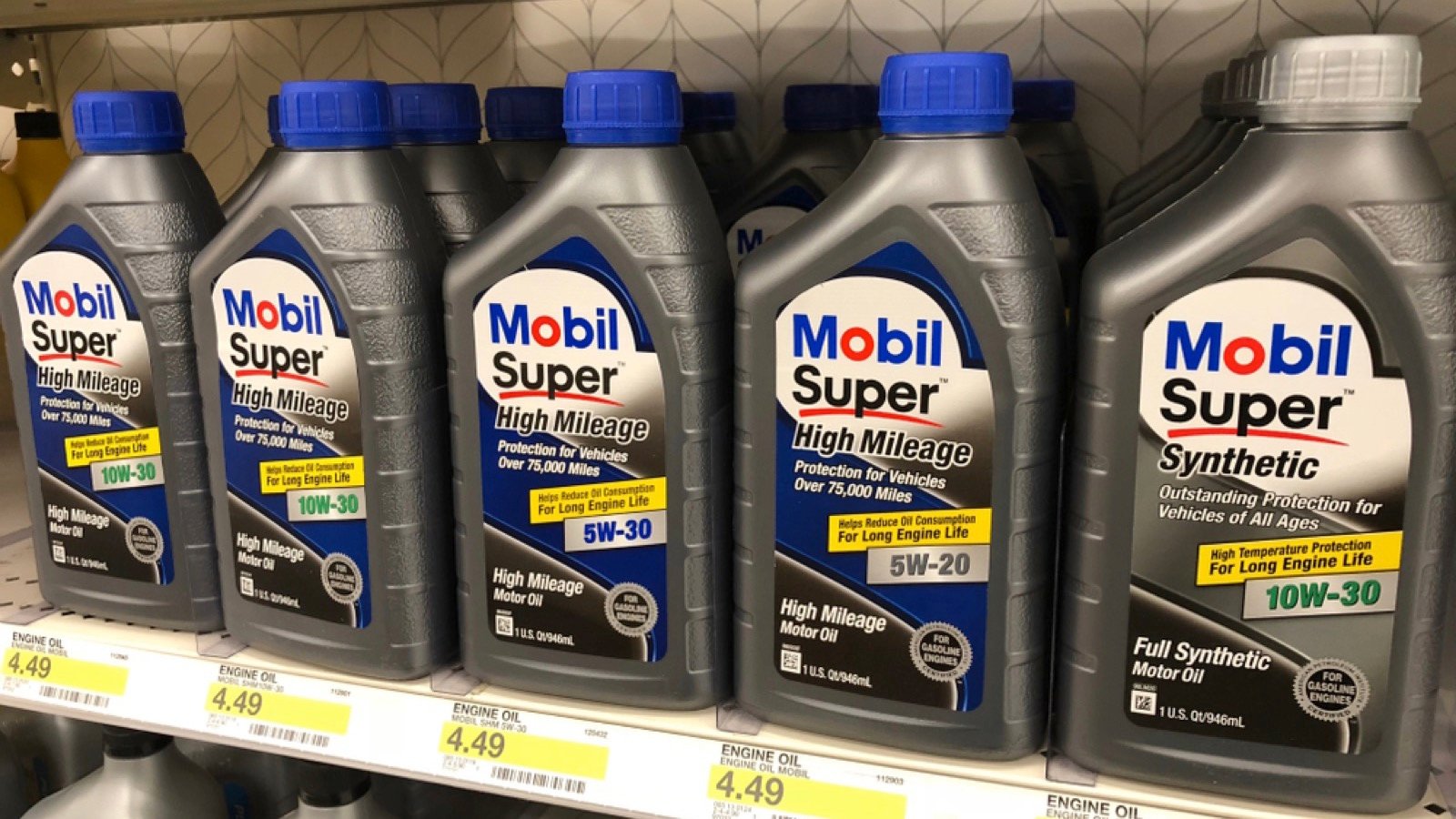
Oil is your vehicle’s lifeblood. It’s comparable to eating the best foods for your body. The healthier you eat, the better you feel. Putting the best possible oil in your engine will make the car run how it is supposed to operate.
Synthetic oil is more expensive, but it helps avoid costly engine repairs. Most people only change their oil a couple of times a year. Do you really want to go cheap on a product that could cause your engine to fail sooner?
4. Change the Transmission Fluid
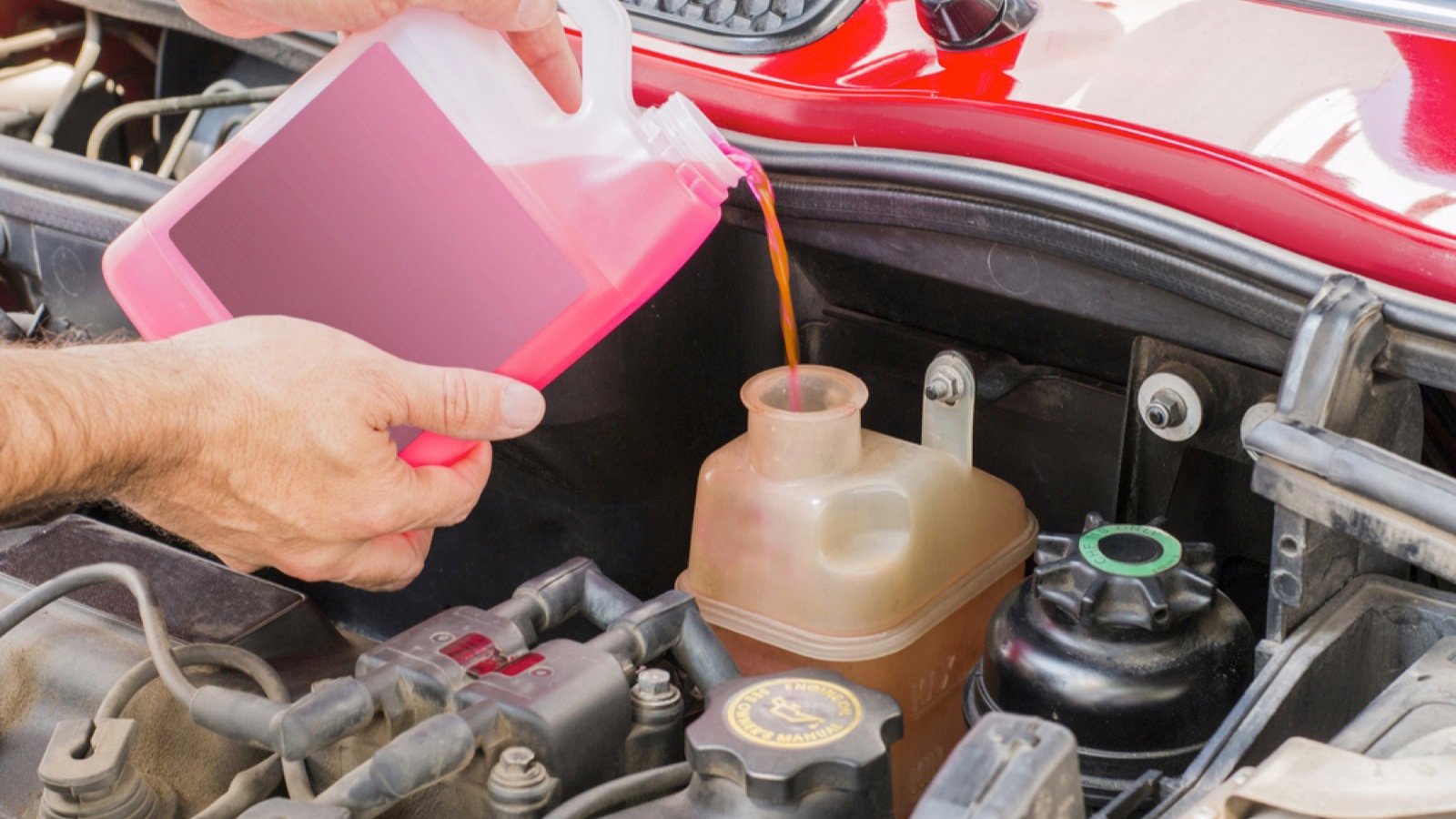
The transmission is one of the most critical components under your car’s hood. It’s the heart of the vehicle since it directs power to the wheels.
Service the transmission on the recommended, and keep the fluid as clean as possible. Some newer cars claim that transmission fluid lasts a lifetime. But each life is different. It’s better to be safe and get your fluid checked at 100,000 miles.
5. Keep Your Car Clean
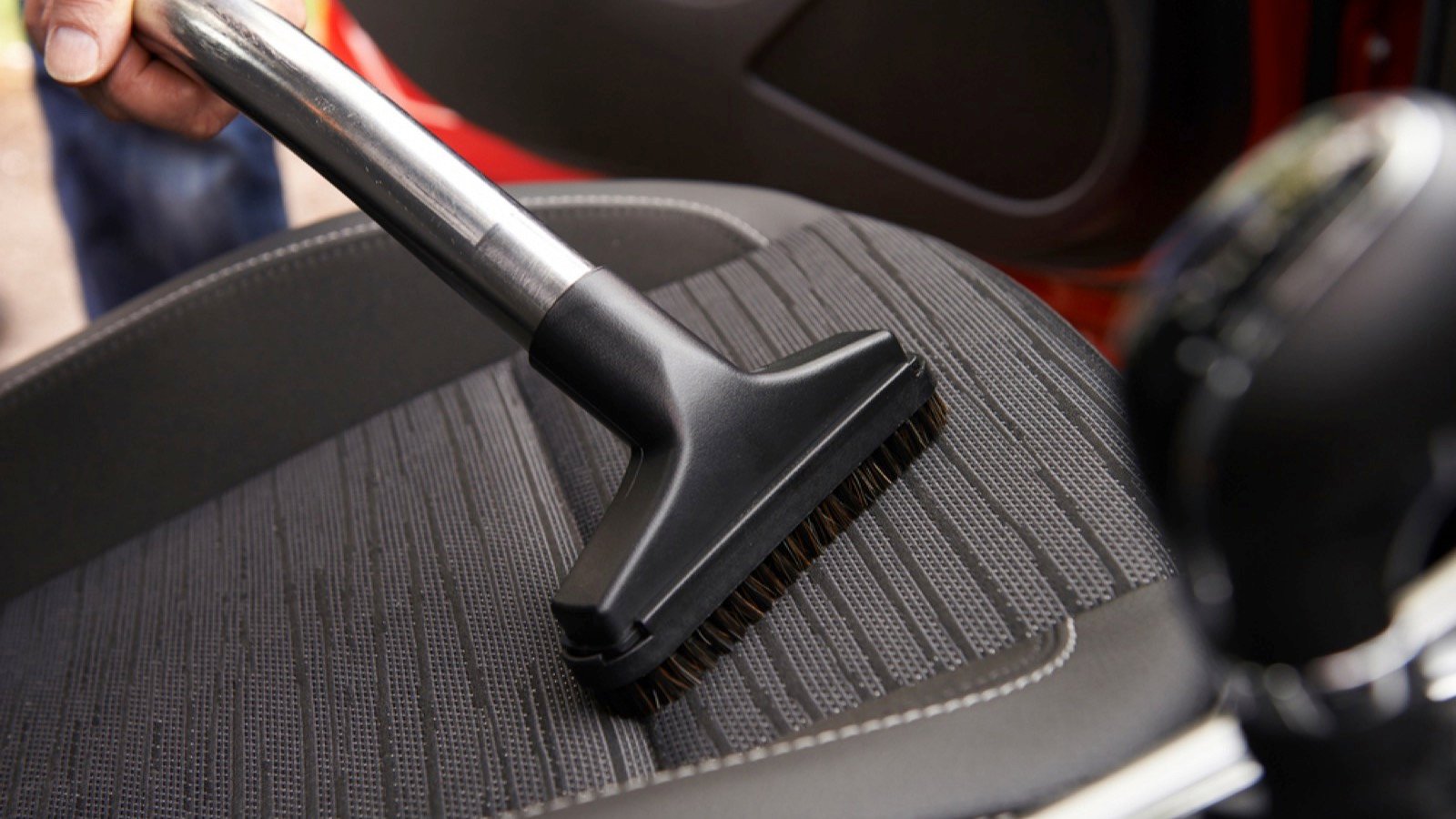
If your car will run for 200,000 miles, you want it to look good. Regular car washes help keep road dirt and grime off your vehicle, limiting the dangers of fading paint or rust on the body.
There are other benefits of washing your car. Getting up close and personal will help you see minor issues that could become costly. These could include cracked headlights or taillights, minor scrapes and scratches, and other issues. These observations could save a lot of money if you have them repaired before they become a problem.
6. Do a Routine Walk Around

Have you ever rented a car and had to do a 360 walk-through of the rental vehicle? Consider adding a routine like this every few months to ensure everything works as it should. Have someone stand behind you and check the blinkers and brake lights.
Back out of your parking spot and see if there are any fluids on the pavement where you parked. If you see a leak, place a piece of cardboard underneath the vehicle to see where the leak is coming from. The more you know about your vehicle’s condition, the longer it will stay out on the road.
7. Change Your Car’s Differential Fluid

One routine maintenance service many skip switching out their differential fluid. Car experts say you should filter these fluids every 30,000 to 60,000 miles. Failure to do this can cause serious problems.
Differential fluid is vital because it helps control the power going to each wheel and increases stability when turning or going around corners. If you notice strange noises and bad smells, it could be a sign your differential is failing. That can be expensive and dangerous, especially if traveling at high speeds.
8. Replace Your Car’s Brake Pads
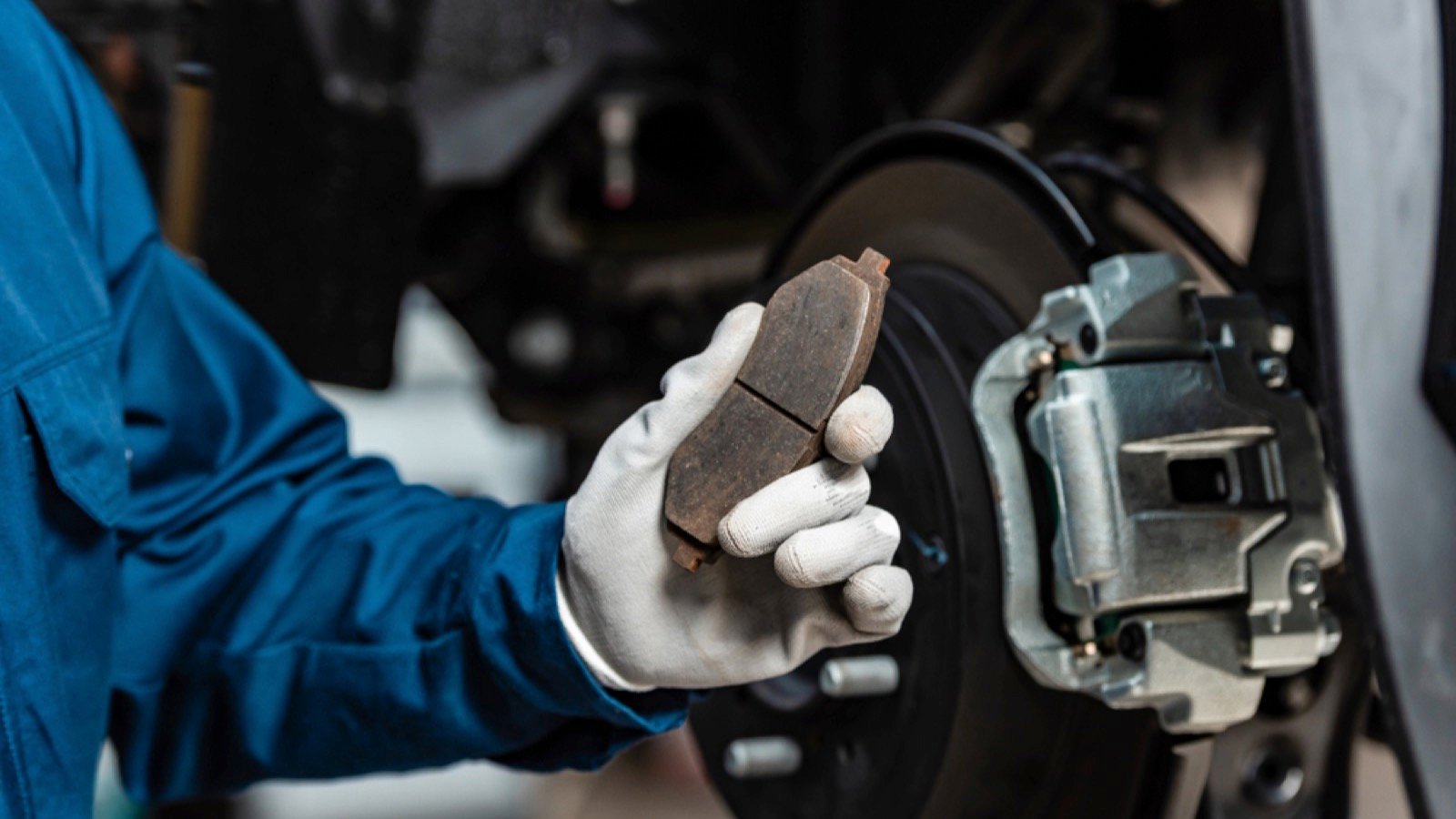
Taking care of your brakes can extend your car’s lifespan by many years. Brake pads can last anywhere from 35,000 to 65,000 miles. The best way to know if you need new pads is if you hear screeching, grinding, or experiencing slower stopping rates.
Maintaining your vehicle’s brake pads helps the other brake components, including the brake shoes and discs, stay in good shape for longer.
9. Avoid Shorter Trips

Short trips are terrible for your car’s health. Trips of fewer than 10 miles, especially in colder temperatures, do not allow your engine to warm up enough to reach optimal functioning temperature. This means that your engine may build up excess water, and fuel created by the initial engine combustion does not have time to burn off.
This build-up can negatively affect your engine, leading to problems down the road. Luckily, if you plan to drive the car 200k miles, you’ll probably drive it for longer periods.
10. Find a Good Repair Shop
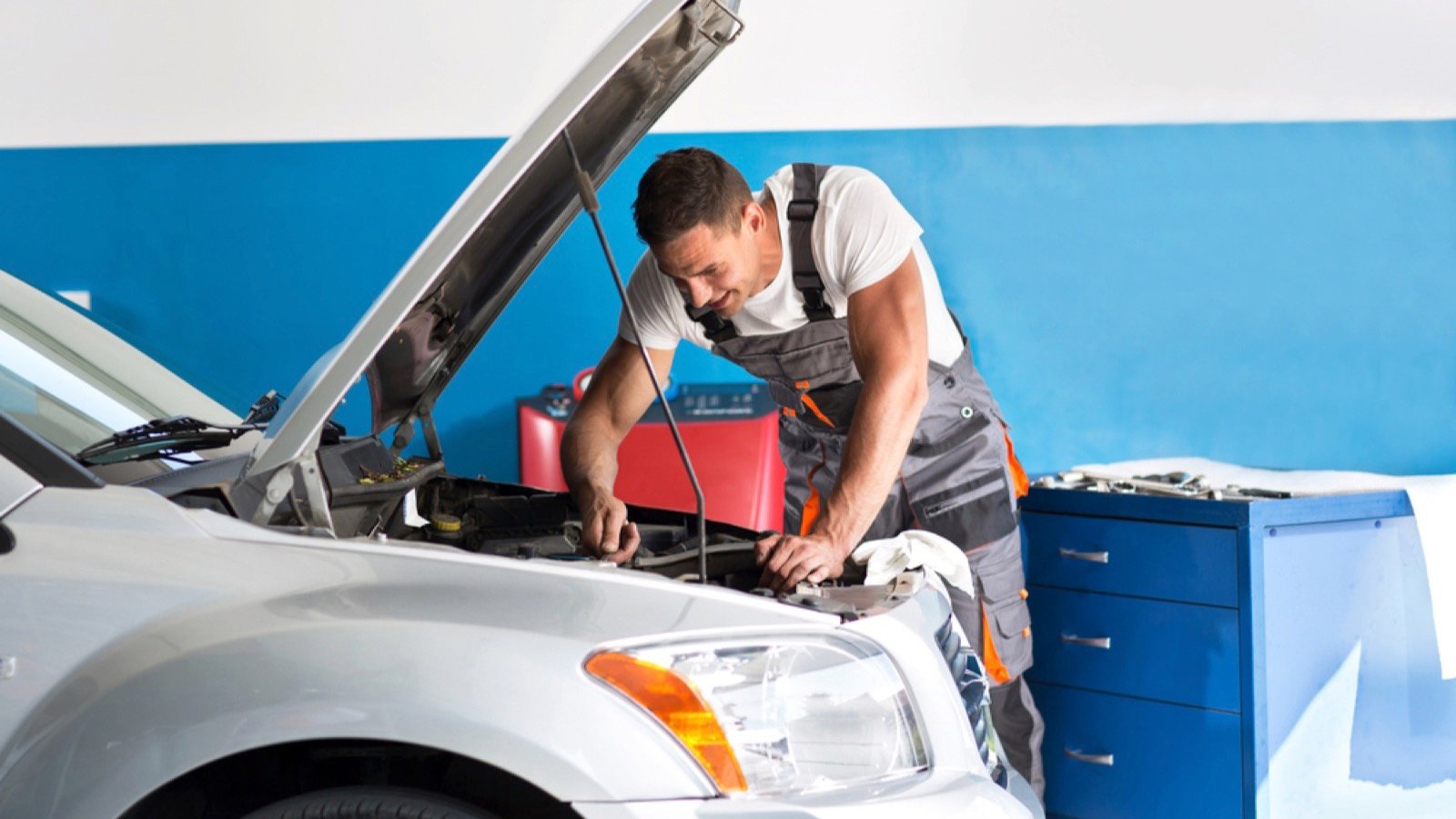
Mechanics can get a bad reputation for being dishonest or trying to sucker people out of money for repairs they don’t need. The truth is, there are far more respectable mechanics than there are shady ones.
When you find a mechanic you trust, stick with them for as long as possible. This professional knows your car’s ins and outs and will help you keep it in tip-top shape.
11. Check Your Tires
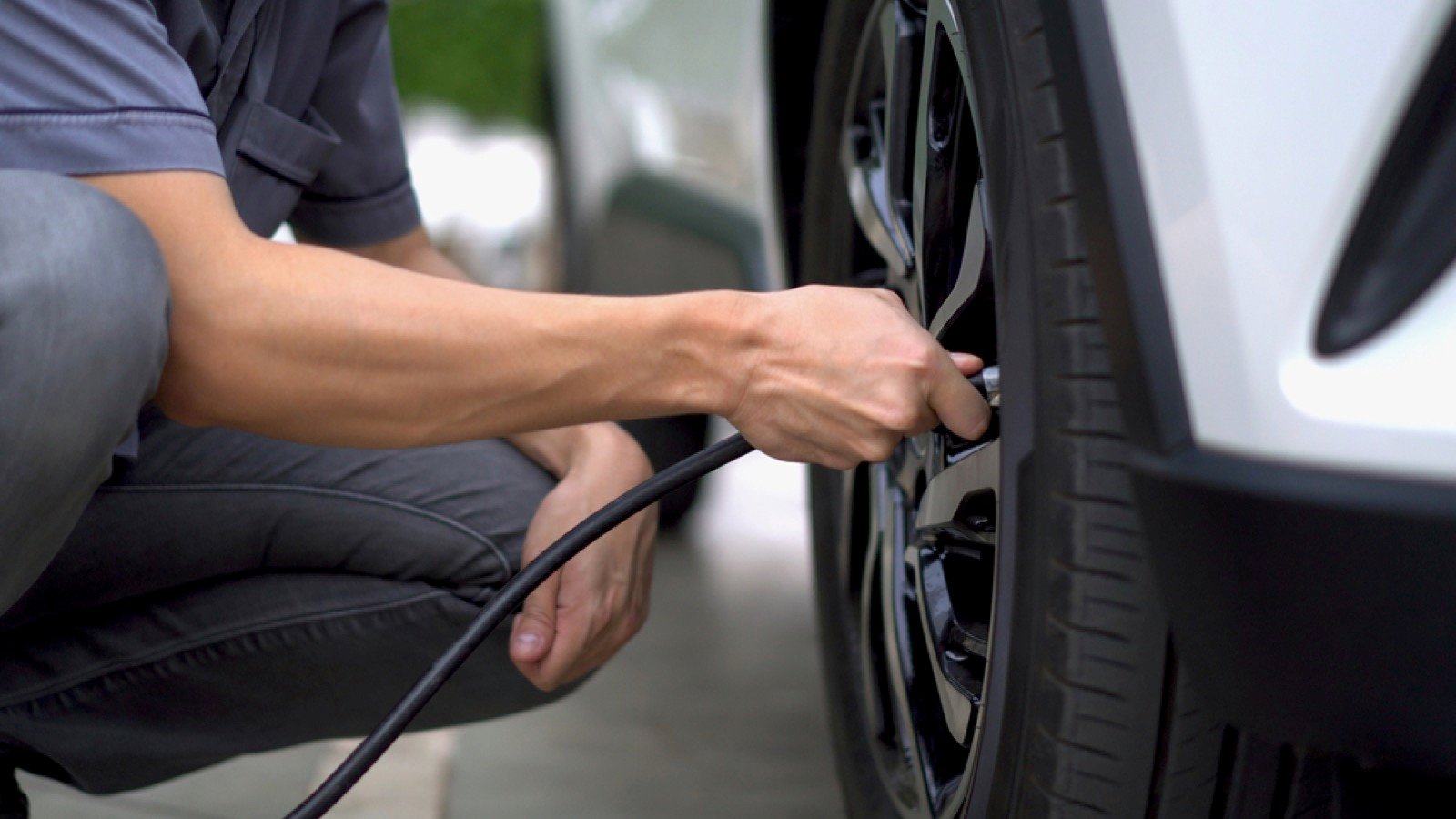
Tires impact how your car drives and performs over the years. Whether over-inflated or under-inflated, tires can affect fuel efficiency and provide better stability, handling, and road grip. Flat tires can also stress your axles, shocks, and rims.
Many tire shops offer free tire pressure checks. Swing by and get yours checked, or carry a pressure gauge in your glove compartment to make sure you’re always safe on the road, especially in wintry or wet weather.
12. Be Prepared for Emergencies

The older your car gets, the more likely you’ll need a repair. Consider setting aside an emergency fund if you’re dedicated to getting 200,000-plus miles from your vehicle. That will allow you to pay for mechanical repairs as soon as they happen instead of putting them off for a few weeks when more damage can occur.
Try saving a hundred dollars each month just for car repairs. Hopefully, you will never have to touch it, and the money can be used as a down payment on a new car when you’re ready to upgrade.
13. Listen to Your Car

Often, the quickest way to determine if there’s a problem is to listen to your car. Try turning the radio down and driving with the windows rolled down for 30 minutes.
Do you hear any weird thumping, skipping, vibrating, or sputtering noises? Too often, we keep our music so loud that we drown out the cries our car is trying to tell us.
14. Ignore the New Car Ads

Car dealerships are tricky companies. Many of them try as hard as they can to create repeat customers. This means they will track your car’s estimated mileage, flood you with deals on new models, and trade in your old car. But you must resist temptation. You’re committed to keeping your faithful old daily driver until it’s had enough.
Refrain from teasing your wandering eyes on a new model. Your older model is fine and crawling toward that 200,000-mile marker you set.
15. Treat It Like an Investment

If you treat your car the same way you treat your home’s equity, you understand that a well-maintained vehicle is an investment. That means no racing around town, burning your tires once the light turns green, revving the engine, excessive speeding, or braking on a dime. These are no-nos for driving habits.
You might learn that driving as an older man keeps you out of the cop’s eyes for speeding but also helps save money. It also helps your car stay in your garage instead of at the shop.
15 Most Comfortable Cars for Tall Drivers

Image Credit: Shutterstock.[/caption]
As someone of above-average height, I can tell you that driving a compact car is not only uncomfortable, but it’s also always the safest. It makes blind spots more common, making it hard to see streetlights without disjointing my neck. Car shopping has always been a hassle, and I wish I had this information before I started test-driving multiple cars. These are some of the best vehicles for those taller than their fellow drivers.
- Read More: 15 Most Comfortable Cars for Tall Drivers
41 Shocking Ways You’re Throwing Money Down the Drain

Image Credit: Shutterstock.[/caption]
There are many ways to increase the money in your bank account. Many people start by looking at ways to make more money. And, of course, that is a great solution. But it isn’t always the easiest. A better, easier way may be to examine your spending habits. By tracking your spending and seeing where every dollar goes, you’ll likely find several instances of spending money you don’t have to. It could be little things that add up or recurring monthly expenses that are an utter waste of money.
Once you eliminate your bad spending habits, the money you save can go toward your emergency fund, paying off debt, or other essential things. Here are the 41 biggest wastes of money to look out for.