
Disclosure: This post may contain affiliate links, meaning if you decide to make a purchase via my links, I may earn a commission at no additional cost to you. See my disclosure for more info.
Feeling the pinch of rising prices or just looking to elevate your daily life? You’re not alone. Many of us strive to keep our standard of living high without stretching our budgets beyond our means. Luckily, there are plenty of savvy strategies to help you do just that. We’ve compiled 18 innovative ways to sustain and even enhance your quality of life, ensuring you get the best out of every day while keeping your finances in check.
1. Track Your Spending Habits

Know your expenses by tracking your spending habits. Money is hard to get but easy to spend, and without proper tracking, you won’t know where you spent the money you worked so hard for.
You can track all your spending conventionally with a notebook. You can use a spreadsheet or a money tracker app like Expensify for a more convenient approach.
2. Create and Adjust Your Budget

Once you know your spending, create a budget matching your expenses. The key is to match your expenses with your earnings. Adjust your budget accordingly when creating a spending plan.
To help with your budgeting, try the 50/30/20 method. It refers to the percentage you need to allot for your needs, wants, debts, and savings. Needs include housing, utilities, and groceries, while wants may refer to subscriptions and vacations. Budgeting apps, including EveryDollar and You Need a Budget, can make it much more manageable.
3. Keep Your Change and Start a Swear Jar

Keep your coins and loose change in a swear jar. It doesn’t have to be limited to swearing, either. It can include other bad habits like waking up late or forgetting to replace the toilet paper.
At the end of the day, gather all the coins in the jar and put them aside. Use all the money you collect at the end of the year for a vacation or a new appliance.
4. Eat at Home

Dining at restaurants regularly can take a considerable chunk of your income. Restaurant meals cost triple the actual cost of the food, which means you spend the unnecessary two-thirds just for the ambiance. This doesn’t include the tips.
Eat home-cooked meals as often as you can. Learn to make simple meals even if you’re not a great cook. Many online video platforms with cooking content will provide new ideas for things to cook at home.
5. Adhere to Your Shopping List

Make a list every time you shop and stick to it. To succeed in doing this, ensure you have the strength to avoid tempting purchases.
One tip when shopping with a list is to bring just enough money to cover your groceries. To better manage your groceries and don’t get tempted, make the grocery run a weekly or twice-a-month errand.
6. Use Cash Only

To seriously cut your spending, stick with cash purchases only. When you’re considering buying something, besides asking yourself if you need it, look into the cash you currently have. If you don’t have cash in your hands, skip buying it.
Using cash may present a big challenge, especially if you’re used to charging purchases on your credit cards. However, it limits your expenses and forces you to spend only on what’s necessary.
7. Monitor Your Home’s Utility Use
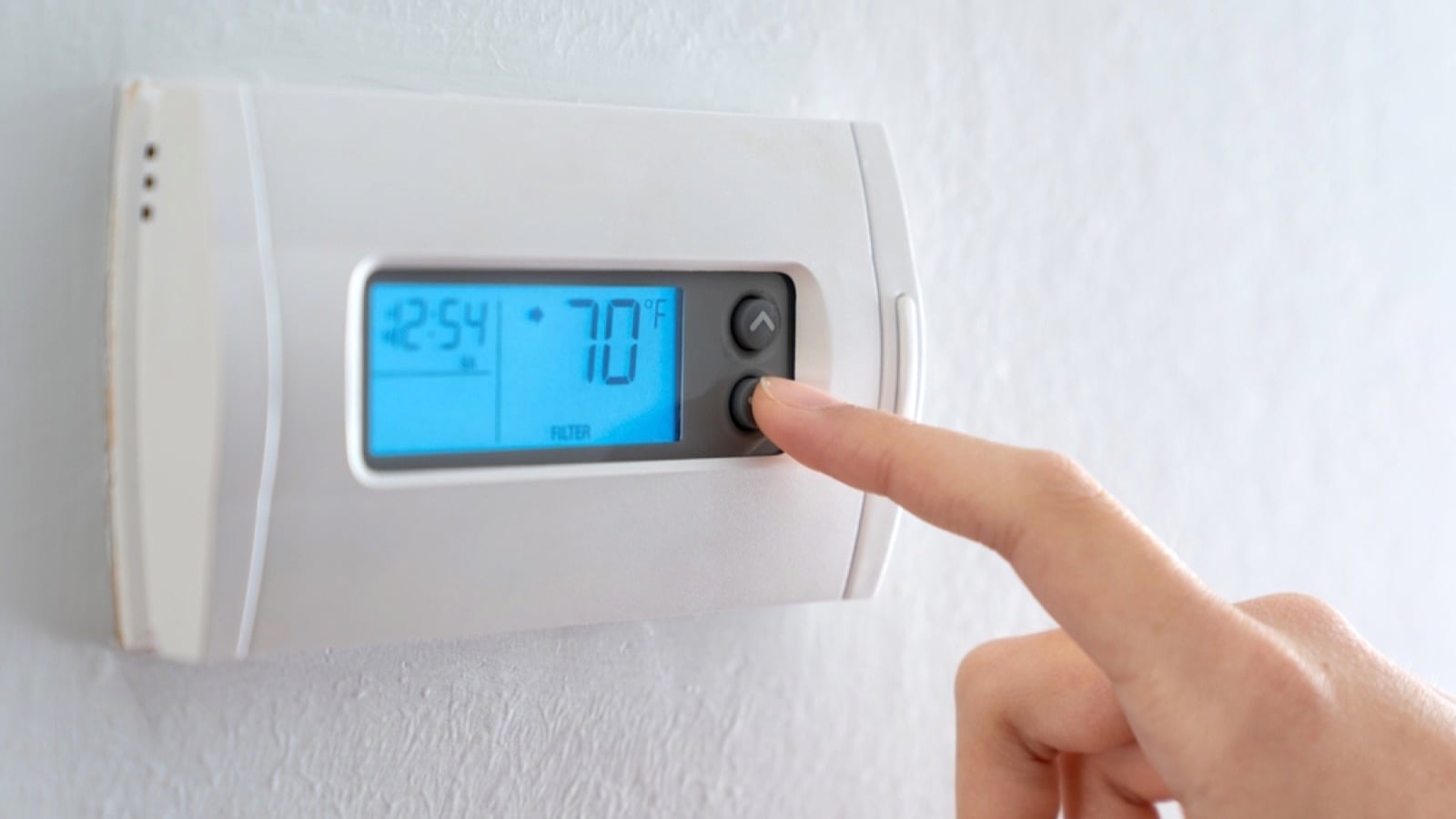
Check your home’s utility use and determine which elements cost the most. Then, look into your electric and water consumption and map out ways to reduce it.
According to the U.S. Department of Energy, you should set the thermostats between 68°F and 70°F when awake and at home during winter. Lower it by five degrees if you’re away from home or on your way to sleep.
8. Update Your Subscriptions

Consider the streaming services you’re subscribed to and cancel the ones you don’t need anymore. It isn’t easy to keep track of multiple subscriptions, so it’s a good idea to review them regularly.
Start with memberships, magazines, and streaming services. See if there are redundant services that you can get rid of. Among Netflix, HBO, and Disney, decide which streaming platform best suits you, then cancel the rest.
9. Get a Lower Insurance Payment

Talk to your insurance agent to get better rates and lower monthly payments. However, before you get a quote, compare different companies and their rates. Choose the most affordable one that fits your needs.
Improving your credit score and taking defensive driving classes can help you get better rates for your car insurance. If you have both homeowners and car insurance, you may be eligible for a discount if you get them from the same company.
10. Avoid Using Credit Cards

Image Credit: Shutterstock.[/caption]
When you use credit cards for your purchases, you don’t pay for them; you get a loan from your credit card company. When you don’t pay off your balance monthly, using credit cards quickly adds to your debt.
If you find yourself overspending on your credit cards, freeze them instead. It’s easier to control your spending when you don’t have a tool to make each purchase convenient.
11. Check out Sales and Discounts

Make the best of sales and discounts from local stores. You can even get them from airlines, restaurants, and retailers. You just need to be aware that they’re available.
Sign up for email promotions from your local stores. Visit their sites occasionally to find out if there are promos and deals you can use.
12. Save on Gas

You can save on gas consumption by choosing the lowest-priced fuel in your area. You can also compare rates from different stations using apps like GasBuddy.
Besides making a good purchasing decision, make sure your car is in top shape. A car with properly inflated tires and a good air filter uses less fuel. Follow the speed limits, avoid speeding, and don’t suddenly step on the brakes since those behaviors increase fuel usage.
Don’t carry heavy loads unless it’s necessary. Carrying added weight increases fuel use. However, warehouse clubs and gas rewards programs offer discounts on gas purchases. My grocery store offers fuel rewards based on my purchases, and I get a discount almost every time I fill up.
13. Consider a Side Hustle

Look into your free time and get a side hustle if you can. Choose something that fits your schedule and lifestyle.
If you’re a dog lover, check out dog-walking jobs. If you have a way with words, consider being a freelance writer. You can even offer to shop and deliver groceries when you have the time. The key is to match the job with your skills and interests.
14. Negotiate Your Bills

Be proactive in negotiating your internet or electric bills. Talk to a customer service representative and ask if you qualify for some of the company’s incentives.
When negotiating, mention how long you’ve been a loyal customer of the company. Explore apps like Rocket Money and see how they can help you with this negotiation.
15. Consolidate Debts

Paying back different loans, from credit cards to student loans, can get confusing. They may have different payment dates and amounts, making tracking hard. You might even forget to pay them on time.
Consolidating debts combines all your debts into one monthly payment. Try negotiating with lenders and credit unions for a lower interest rate and develop a good debt management plan.
16. Invest in Water and Electric-Saving Appliances

While they may be slightly more expensive than their ordinary counterparts, water—and electric-saving appliances are cost-effective investments. They lower greenhouse gas emissions, which helps the environment, and they also lower consumption, efficiently reducing electric and water bills.
When checking out appliances, look for the energy label. More stars translate to higher energy efficiency. To save water, use low-flow faucets and shower heads.
17. Consider Cheaper Housing Options

Housing takes up a massive part of your monthly spending. Whether paying for your mortgage or rent, you must hand out cash every month. Whether renting or owning a home, figure out what’s ideal for your situation.
For example, if you’re a single man living in a three-bedroom apartment, get some roommates or downgrade to a one-bedroom apartment. You can save money on rent and use it for other expenses like education or vacation.
18. Sell Items You Don’t Need

Schedule a spring cleaning and gather all the items you need to dispose of. Instead of throwing them out, arrange a yard sale and profit from them. Choose the items in good condition and thoroughly clean them.
If you don’t have time for a yard sale, you can sell the items online by registering with platforms like eBay and Facebook Marketplace.
30 Tricks to Save on the Electricity Bill No One Talks About

Utility bills are inevitable, but you can reduce your consumption and spending. Here are thirty uncommon tips to help you be more energy-conscious, benefiting the planet, your wallet, or both.
10 Practical Ways to Be Frugal Without Being Cheap

You can be frugal without being cheap by understanding the difference between price and value. A cheap person cares only about getting the lowest price. Frugal people look at price as one factor that determines value.