
Disclosure: This post may contain affiliate links, meaning if you decide to make a purchase via my links, I may earn a commission at no additional cost to you. See my disclosure for more info.
The constant fear of not having enough money can give you sleepless nights. Wondering how you’ll pay off this month’s rent or afford groceries fuels anxiety. It won’t be long before the stress affects your mental and physical health.
Wouldn’t it be nice to put your financial issues on the back burner, even for a while? Getting your financial ducks in a row equals living a happier life. We curated these 13 steps because they will help you manage money effectively and live without financial stress:
Create a Plan

Now that you understand the problem, it’s time to create a plan of action! For instance, you could cut out impulse buying or cook instead of eating out at fancy restaurants to save money instead of spending it. Any of these things will help you create a savings plan and keep more money than you’re spending. Your plan should also include a list of short and long-term goals to help you envision the end goal.
Adjust and Re-adjust Your Plan
It’s almost impossible to create the perfect financial plan the first time around. Take time to evaluate the plan and adjust accordingly. Carefully consider your circumstances to determine what you need to cut down. Remember to construct and deconstruct your financial plan until it works.
Set a Budget
Planning for your money is the only way to get ahead. Achieving financial freedom is impossible when you live extravagantly. Tell your money where to go so you’re not wondering where it went. Budgeting will keep your finances on track, but it doesn’t stop at financial freedom. Even when you can account for your money, a budget will help you get by without stress. It’s the first step to building wealth and taking control of your finances.
Write Down Your Stressors

Grab a pen and paper and think about the financial aspects stressing you the most. Is it living paycheck to paycheck, lagging behind on rent, or excessive spending habits? According to Forbes, journaling about financial stressors helps you make good decisions despite uncertainty. To find a solution, you have to identify the problem. Writing down your main stressors will give you a starting point for addressing the issue.
Have Savings
The hardest part of saving is getting started. But you’ll be on the right track if you set goals, record your expenses, and find ways to cut unnecessary costs. Think about long-term and short-term savings and how much money you’ll need in the long run. Most importantly, make saving automatic, where 10% of your earnings go directly into your savings account before you start budgeting.
Build an Emergency Fund

Separate your emergency fund from your savings. It is the buffer between you and unexpected life situations. Findings on Equifax show that your emergency fund should cover up to 3 months of expenses. Having cash to fund emergencies will give you peace of mind. With an emergency fund, you’ll be flexible with your budget and can splurge on those designer shoes without guilt.
Kick Debt to the Curb
Whether it’s your student or car loan, debt will limit your financial freedom. You’ll never achieve your money goals if you spend thousands of your hard-earned money servicing your monthly obligations. Paying off debt is the foundation for building lasting wealth. Ensure you have at least $1000 saved and enough money to tackle emergencies, then start paying your debts until they are gone. Paying debt takes effort, but there’s nothing as freeing as keeping all your money at the end of the month.
Set Attainable Financial Goals
The right financial goals are crucial in your journey to financial freedom. Set goals specific to your situation, adaptable to changing circumstances, measurable, and have a deadline. While getting out of debt is a good goal, it’s even better to determine how you’ll do it. Do you want to pay off $10,000 in 12 months or more? Write it down and commit to it!
Follow the Right Career Path

Your income is the most significant tool to build wealth. Your dead end, 9 to 5, will not support your financial security goals. Ask yourself these questions before choosing a profession: What are your long-term goals? How much do you earn? Do you love your job? Is there a growth opportunity? Will your career eventually support your financial freedom?
Purchase Wisely

Even though you’re not living in debt, plan wisely for big purchases that aren’t emergencies. The last thing you want to do is drain your savings account by making meaningless purchases. There’s nothing wrong with making a grand purchase. However, spread out your money wisely over time. Keep aside some extra cash from your savings and emergency fund; in a couple of months, it will cater to what you want to buy.
Maintain a Good Credit Score
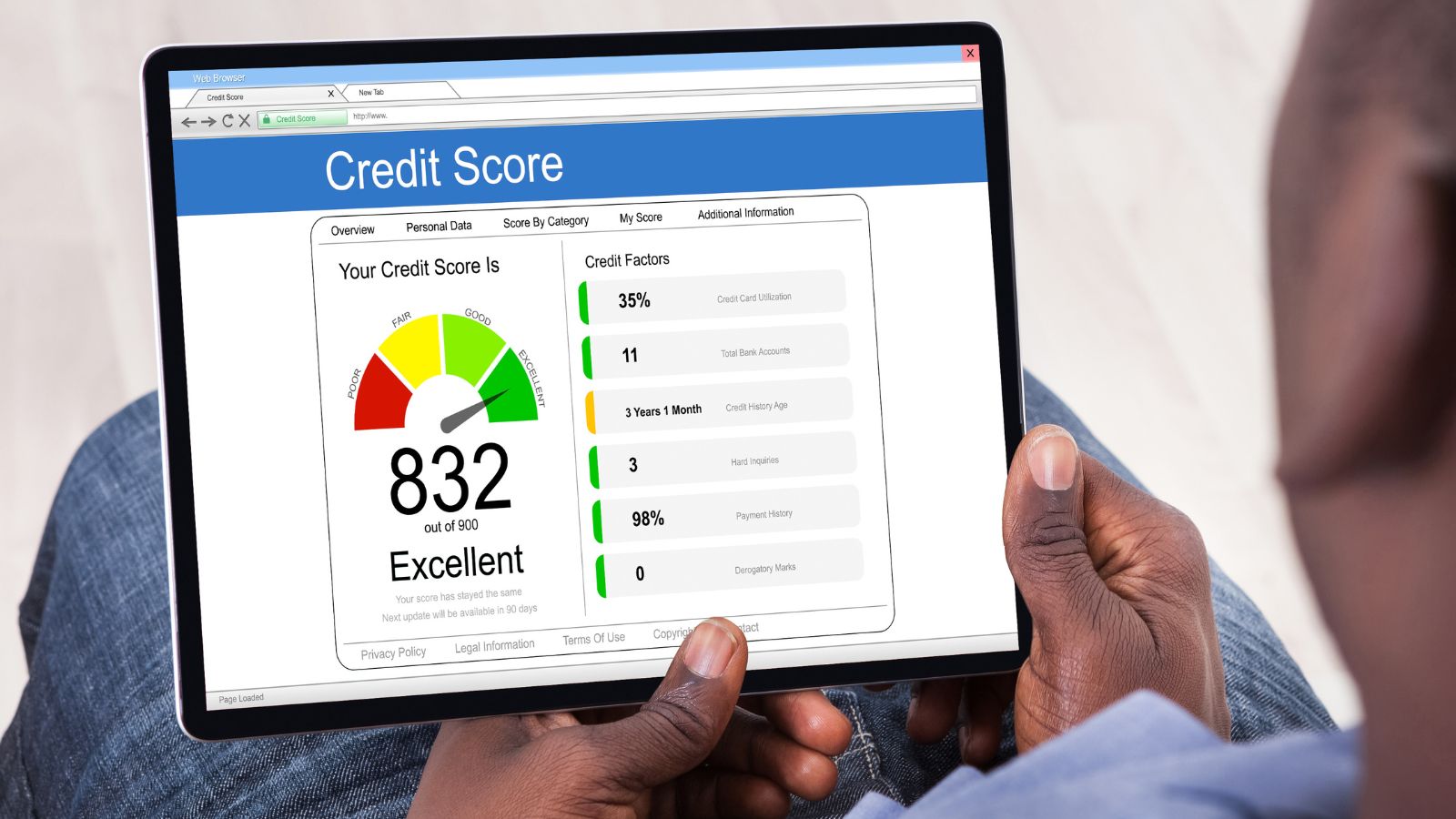
Your credit score speaks to the kind of money manager you are. Those with poor credit scores are seen as reckless and irresponsible. Thus, it’s essential to maintain good credit health by getting a credit report regularly and working actively towards bettering it. With a good credit score, you’ll have access to the best borrowing terms and the lowest-interest loans. It also offers better credit cards and excellent mortgage options.
Invest, Invest, Invest!
Compound interest is your best friend when it comes to making your money work harder. Research and diversify your holdings to get the best return on your money. From stocks, bonds, and ETFs to REITs or fine art, there is a plethora of ways to earn interest through investments. Just make sure to balance your portfolio to minimize risk long term.
10 Practical Ways to Be Frugal Without Being Cheap

You can be frugal without being cheap by understanding the difference between price and value. A cheap person cares only about getting the lowest price. Frugal people look at price as one factor that determines value.
15 Smart Tips for Living Well on a Strict Budget

In today’s economy, strict budgeting has become a reality for many, sometimes involuntarily. With fast fashion and rapidly changing trends, temptations are on the rise. Mastering a budgeting mindset can empower a person to manage their finances responsibly. It’s a step towards achieving self-fulfillment while leaving room for some fun.