
Disclosure: This post may contain affiliate links, meaning if you decide to make a purchase via my links, I may earn a commission at no additional cost to you. See my disclosure for more info.
In today’s real estate market, finding a home within budget is hard enough. When you pile on the hidden costs that accompany it, paying your bills becomes even more difficult.
From taxes to home repairs and insurance, these extra expenses can turn an affordable home into one that exceeds your budget. If you’re looking to get ahead of it and plan accordingly, note these 13 sneaky hidden costs of owning a home and how you can minimize them.
1. Property Taxes Increases

Most homeowners are aware of property taxes and include them in their purchasing budgets. However, many people forget to prepare for regular increases in their bills based on the reassessment of a property’s value.
Individual states enforce different tax rates and property assessment policies. The best way to prepare for unexpected increases is to stay current on your state and local township or county laws.
2. Homeowners Association (HOA) Assessments

Buyers are informed about monthly HOA fees during the purchasing process. But unexpected events happen, and HOA assessments can be levied in emergencies to cover property repairs or renovations.
Staying active in the community and participating in HOA meetings is one way to stay informed about the board’s budget decisions.
3. Pest Control

Pests like termites, ants, and rodents can silently destroy your home’s foundation. This inevitably leads to costly repairs and even health hazards for you and your family.
Sealing entry points, removing food sources, and using natural deterrents are just a few preventative measures I used to keep pests away to avoid expensive extermination services and repairs.
4. Exterior Upkeep

If you’re anything like me, keeping the outside of your house in tip-top shape is a priority. Whether that is a fresh coat of paint, new windows, or landscaping services for the yard – it seems like there’s always something to be done.
One way I started saving big on upkeep is by doing as much as I could on my own. Cutting your grass or power-washing the house instead of hiring someone will be significantly cheaper. Plus, it can be good exercise!
5. HVAC Maintenance
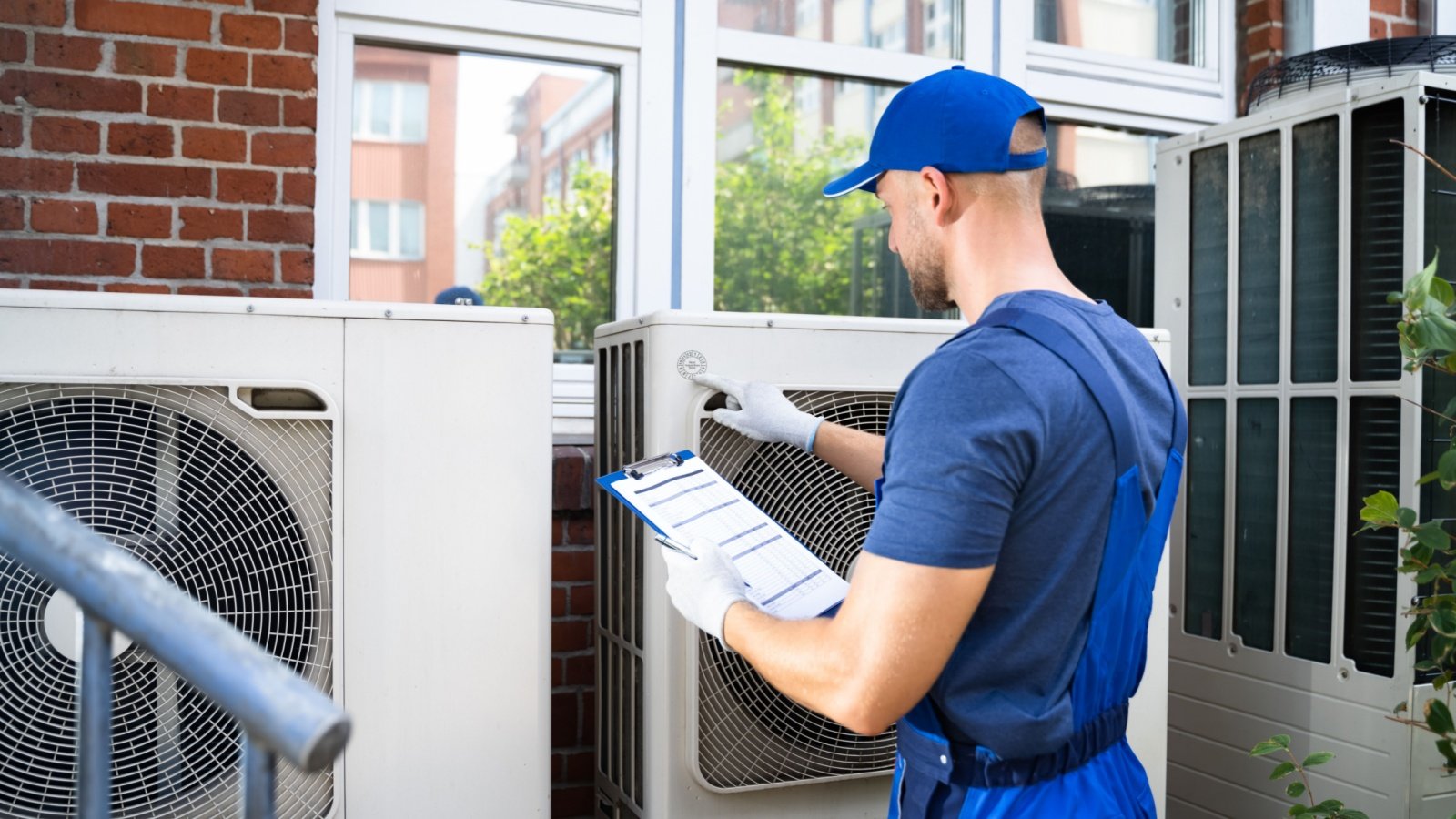
A broken HVAC system can leave you sweltering in the summer or freezing in the winter. Plus, the costs to replace it can be devastating. Regular semiannual maintenance is vital to preventing these disasters and protecting your wallet.
6. Gutter Cleaning

If you’re having problems with leaks in your home, check your gutters. Clogged gutters can cause water damage and foundational issues, leading to costly repairs.
Regularly clean your gutters or invest in gutter guards to prevent debris buildup. This helps water flow freely, keeping repair costs down. Paying for a standard gutter cleaning is far cheaper than water damage restoration.
7. Mortgage Insurance

Mortgage insurance can add hundreds to your monthly payments, and it may not be necessary. Or even worse, borrowers required to purchase mortgage insurance forget to cancel after their principal balance gets paid down to 80 percent of the home’s original value.
To avoid overpaying on mortgage insurance, put 20% down when purchasing or check your loan terms to see when the insurance plan can be canceled.
8. Closing Costs

Closing costs can be a surprise expense for new homeowners. Unfortunately, they are required and tend to cost you thousands of dollars. It’s possible to reduce closing costs by waiving the home inspection or shopping lenders to find lower origination fees.
I always factor these costs into your budget to avoid surprises. To minimize out-of-pocket expenses, you could negotiate with the seller to split or cover some of the fees.
9. Trash and Recycling Services

Trash pickup and recycling are required to keep your home and neighborhood clean. If you live in a town or city that charges a trash fee, prepare to add this monthly bill to your budget.
Trash fees can also be bundled in your property tax or mortgage payment. If your town does not offer public pickup, contact a local waste collection company for private trash pickup services.
10. Fireplace Cleaning
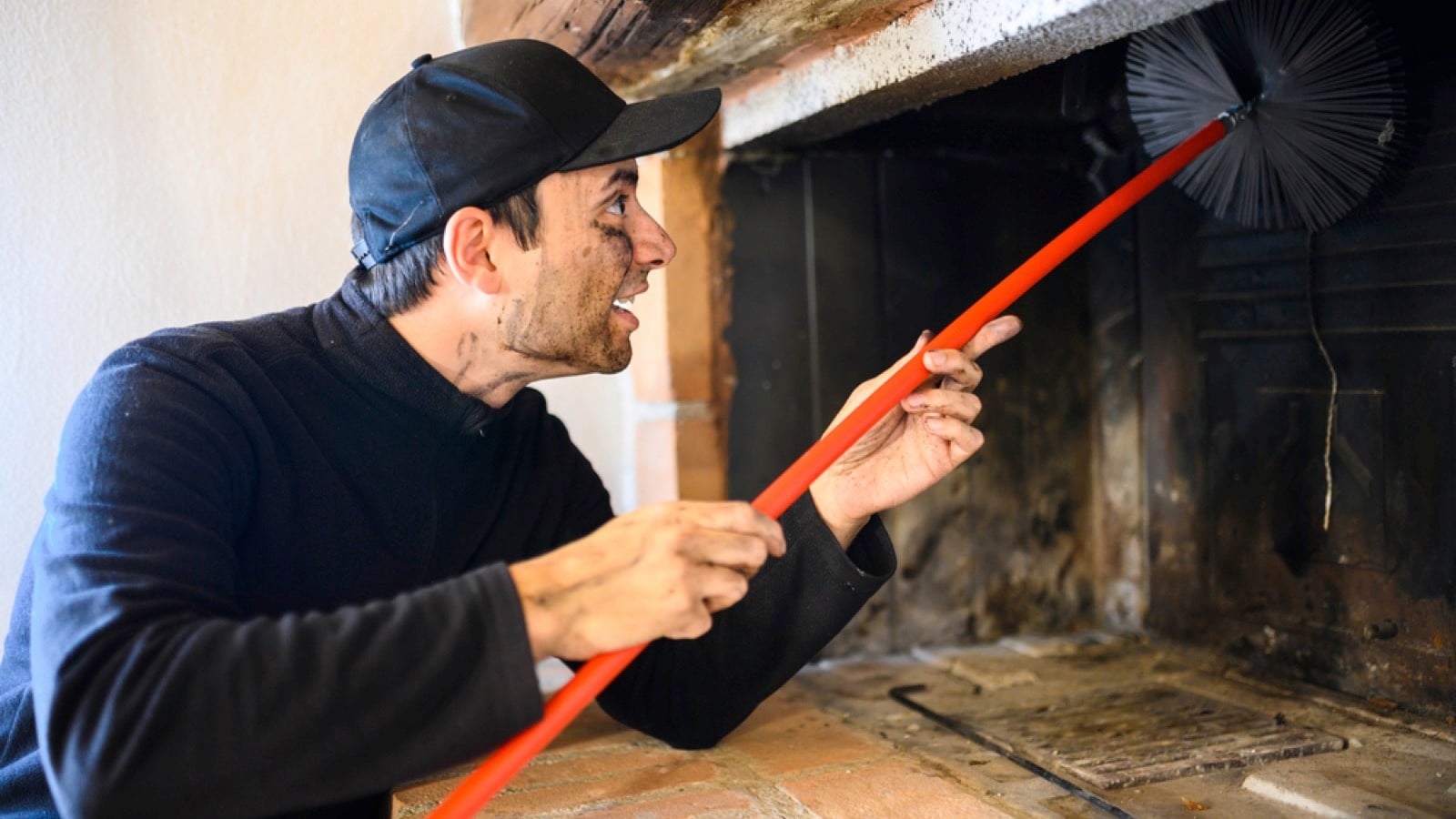
Dirty fireplaces can lead to costly repairs and even house fires. Schedule regular chimney sweeps to keep your fireplace in good condition.
For gas fireplace owners, cleanings every 2–4 months and annual maintenance inspections are recommended.
11. Appliance Upgrades and Maintenance
Old appliances on the fritz can drive up your energy bills and break down unexpectedly. Replacing them with new energy-efficient models will cost thousands upfront, but you can save big on utility costs.
12. Roof Repairs

Leaks and water damage are a homeowner’s worst nightmare. Without a functioning roof, moisture inside a home can cause mold, mildew, and bacteria.
Regular home maintenance, such as replacing shingles, flashing inspections, and debris removal, can extend the lifespan of your roof and prevent unexpected repairs.
13. Homeowners Insurance

Who wouldn’t want to have added protection for one of life’s biggest investments? That’s exactly what homeowners insurance provides – coverage for your home’s structure, personal belongings, and additional liability protection.
While states don’t require you to have homeowners insurance, most banks will include it as a condition in your mortgage. Expect to pay an average of $141 a month for $250,000 worth of dwelling insurance.
30 Tricks to Save on the Electricity Bill No One Talks About
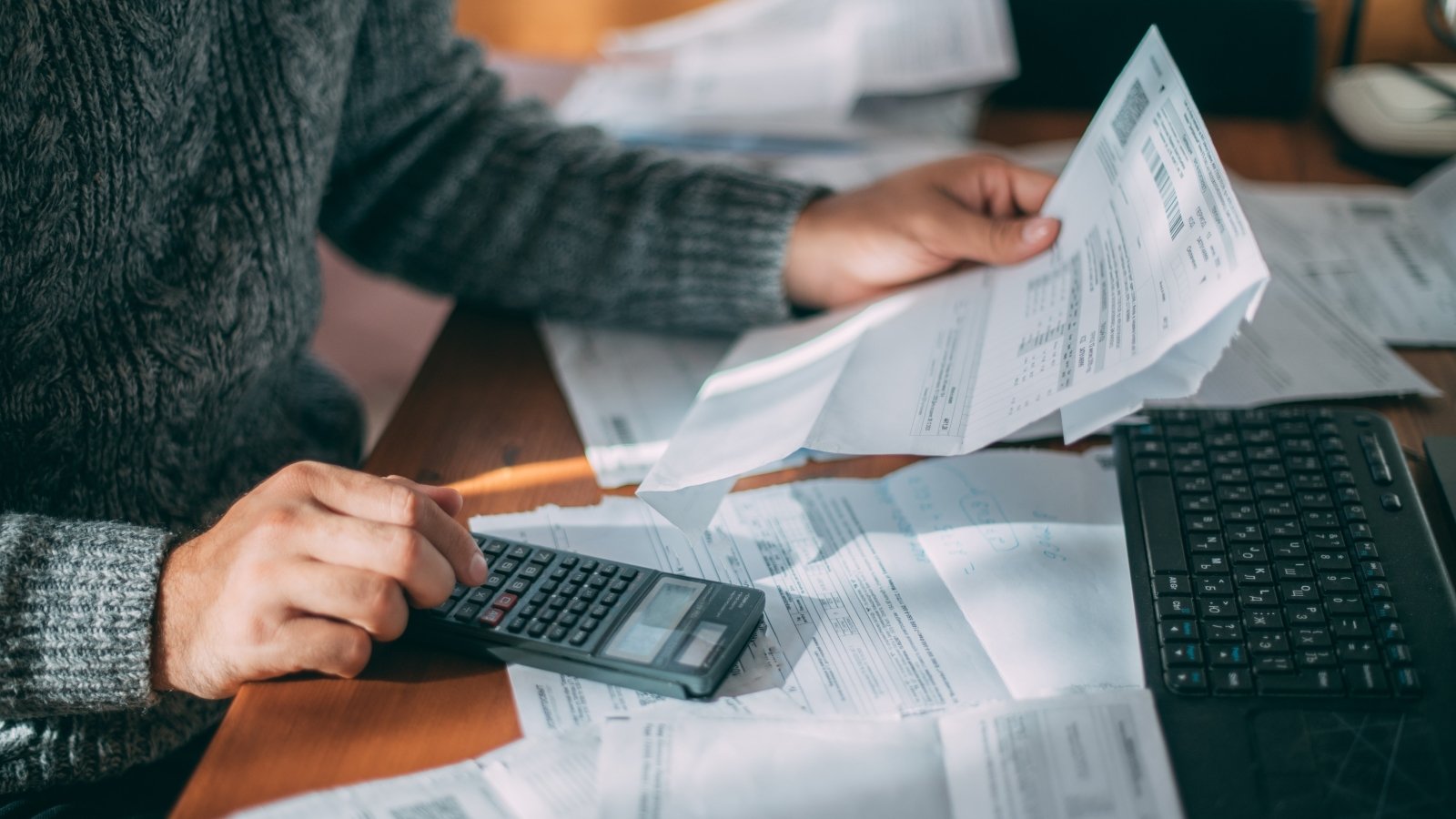
Utility bills are inevitable, but you can reduce your consumption and spending. Here are thirty uncommon tips to help you be more energy-conscious, benefiting the planet, your wallet, or both.
41 Shocking Ways You’re Throwing Money Down the Drain

There are many ways to increase the money in your bank account. Many people start by looking at ways to make more money. And, of course, that is a great solution. But it isn’t always the easiest. A better, easier way may be to examine your spending habits. By tracking your spending and seeing where every dollar goes, you’ll likely find several instances of spending money you don’t have to. It could be little things that add up or recurring monthly expenses that are an utter waste of money.
Once you eliminate your bad spending habits, that money can go toward your emergency fund, paying off debt, or other essential things. Here are the 41 biggest wastes of money to look out for:
15 Smart Tips for Living Well on a Strict Budget

In today’s economy, strict budgeting has become a reality for many, sometimes involuntarily. With fast fashion and rapidly changing trends, temptations are on the rise. Mastering a budgeting mindset can empower a person to manage their finances responsibly. It’s a step towards achieving self-fulfillment while leaving room for some fun.