
Disclosure: This post may contain affiliate links, meaning if you decide to make a purchase via my links, I may earn a commission at no additional cost to you. See my disclosure for more info.
There are a lot of things to consider and look for when buying a new home. Sometimes, we realize after closing that the gem we thought we bought is actually a money pit. From builders cutting corners to concealed damage missed by inspection reports to conveniently positioned furniture that camouflaged unsightly issues—the list goes on. But all is not lost. With the right steps, you can salvage your home and turn it into the haven you originally envisioned.
So before you make a 15- or 30-year commitment to a property, do as much research as possible to train your eye to catch subtleties other buyers may miss. But if you already have a problematic property on your hands, here are the best things you should consider when planning what to do next with your lemon.
Sell It off and Count Your Loss

A lemon house might only worsen, and putting it on the market may be your grand chess move to recoup some of your investment. ‘’It only gets worse,’’ one estate agent insists. “Once you found out you’ve exchanged gold for copper, trade it for as much ounce of gold as you can and count your loss.” A second commenter says after counting your losses, count the lessons as gains for future home purchases.
Explore Warranty

While imperfect, several people opine that home warranties can be your saving grace. “If you live in Connecticut and California, your existing home sale may have a warranty. Depending on the level of coverage, it could save you hundreds or thousands of dollars for faults discovered within the first year of purchase,” someone who’s bought a few lemon houses in the past elucidates. Someone else reminds community members that a warranty is not a cure-all and may not cover most repair works.
Renovate or Remodel
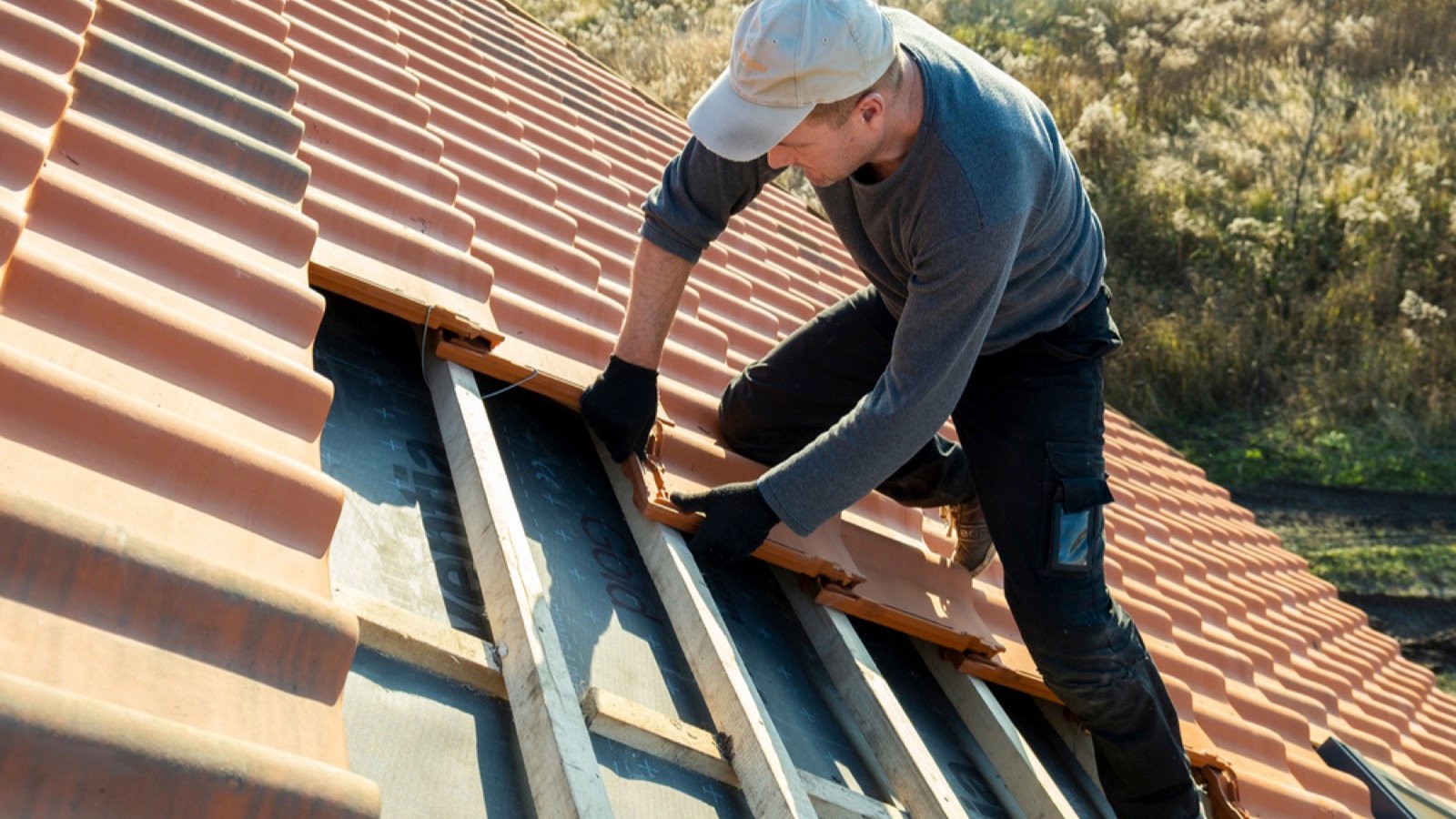
Depending on the extent of damage and cost of repair in your lemon home, renovating or remodeling is always an option worth considering, according to a construction engineer. A second contributor adds that you undergo a thorough cost-reward analysis. If it doesn’t break the bank, renovating or remodeling can transform your lemon home into a decent one.
Engage Local Realtors

Realtors in the neighborhood of your lemon home can assess the value and make recommendations on what can be done to get the house in shape. “Get several realtors to visit,” an individual advises. “They won’t give you appraisers, but because the house is within their domain, you can get rough estimates of what it’ll take to turn the bad buy around.” Another individual says following this hack can help you decide whether to repair or not.
Explore Refinancing

Home improvement loans or lines of credit may be what you need to make a lemonade out of your lemon home. A real estate consultant wants you to explore refinancing options, including a second mortgage or a loan. “Refinancing is risky, but it’s worth trying. Before you go out to get a loan, consulting with a real estate agent to advise you whether the improvement after refinancing will increase your home value should come first,” she warns.
Rent to Students

Students would choose cheap before they choose perfect, a veteran homeowner reveals. “In my experience, instead of having all that money down the drain, you can rent to students if the home is situated around a college. They value cheap more than perfect and do not usually seek the stringent home qualities of couples.”
DIY May Pay Off

If you don’t have money to repair or remodel your lemon home, you can get creative to bring things alive. “Sometimes a substantial facelift can be achieved if you invest time to learn a few DIY solutions on YouTube. Fix door hinges, towel racks, closet door tracks, and whatever you can,” a first user explains. In agreement, someone adds that mowing the lawn, sweeping the steps and sidewalks, scrubbing the kitchen, and removing old furniture and clutter could cost you a few weekends of labor, but it could also salvage your lemon home.
Consult an Attorney for Claims

Most states require damage or fault disclosure forms that sellers must fill out, and any fault not covered within the scope of the disclosure may be the seller’s responsibility within a period. “Your real estate attorney can help you get through the legal hurdles to have the undisclosed issues fixed. You should seek remuneration as soon as possible as the claims may not extend beyond a time frame,” someone explains.
Sue the Builders

Sue the builders for constructive defects if it’s near hopeless that you can get anything reasonable out of your newly purchased lemon home. “The HOA in my condo building sued the builders for construction defects. They ended up getting a couple million to fix all of the issues,” a contributor narrates.
Explore Insurance Coverage

You should review your insurance policy to see if the issues in your condo are covered. Someone points out that sometimes, certain damages might be covered by insurance, and you can alleviate the burden of repair by exploring them. The tips in this post are based on our author’s insights and comments from the Reddit community.
Housing Price Drop Likely In these 20 Cities

The volatility of the real estate market can frustrate first-time home buyers and investors alike. However, signs are leading many to believe that 2024 could bring lower prices to previously hot housing markets. If you’re looking for an opportunity to own property, these cities could be a great place to look.
- Read More: Housing Price Drop Likely In these 20 Cities
30 Tricks to Save on the Electricity Bill No One Talks About

Utility bills are inevitable, but you can reduce your consumption and spending. Here are thirty uncommon tips to help you be more energy-conscious, benefiting the planet, your wallet, or both.