Disclosure: This post may contain affiliate links, meaning if you decide to make a purchase via my links, I may earn a commission at no additional cost to you. See my disclosure for more info.
It’s a struggle to decide whether to get a new vehicle. We want to know we’re making the right purchase for that product and that what we’re paying for is what we need. With the rise of the electric car revolution, there’s also added pressure from people online who are already using these vehicles and urging others to join them.
We can get stuck between opinions at such times, wondering if transitioning from one product to another is worth it. On an online platform, a user asked if he should trade in his paid-off 2016 Ford Edge for an electric vehicle since his employers are charging employees in charge stations and will offer free charging. Or should he keep his car since the payment for a new EV may negate any potential savings?
Here are some responses he got.
1. Rarely Available
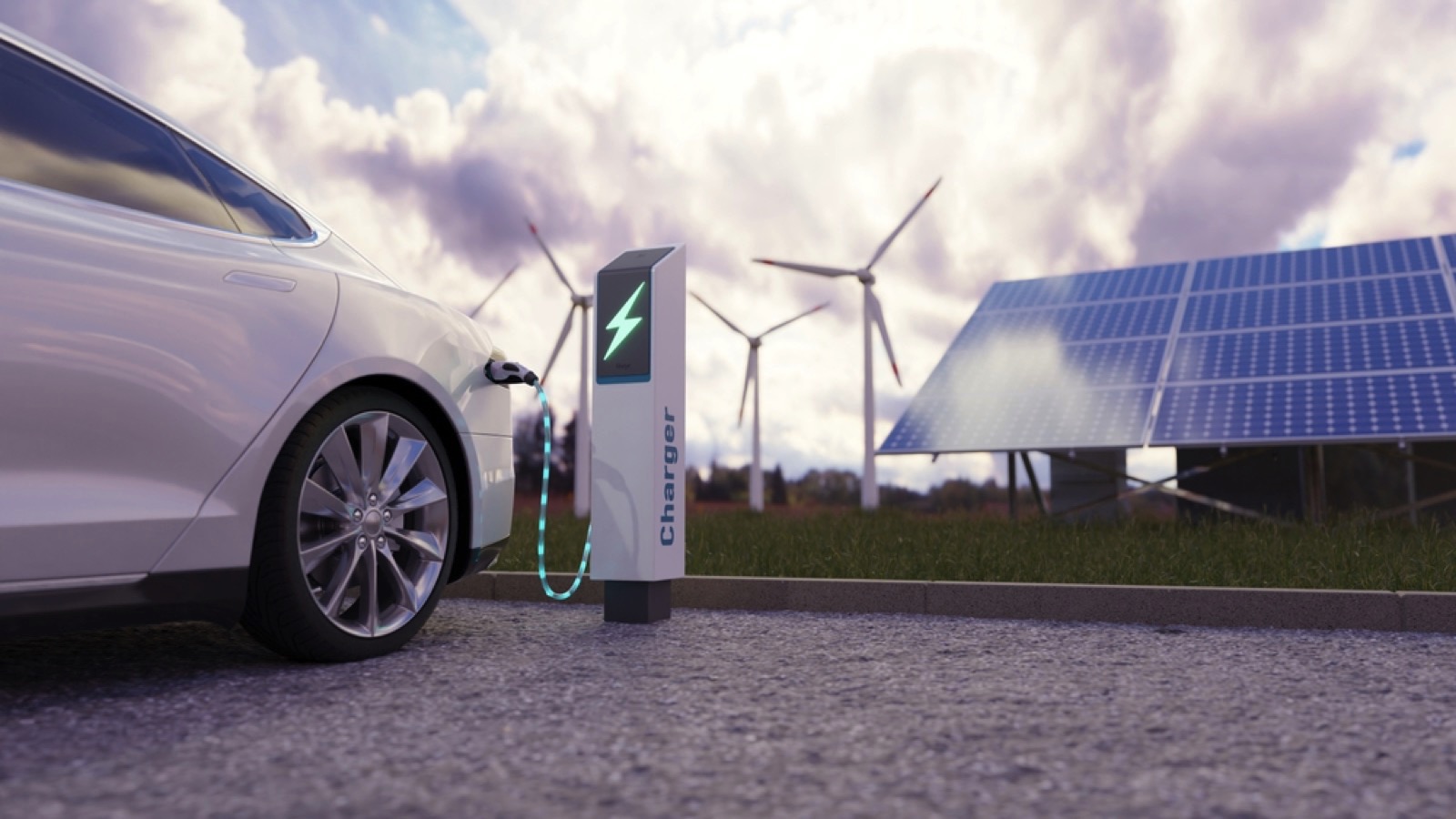
One user said their employer has charging stations, but they’re never available since there aren’t enough to accommodate everyone who wants to use them. The user told the OP to keep that in mind as he decides. They also told the OP that if he can afford the price of the car, then he should go for it since charging, in general, is so much cheaper than getting gas.
2. Do the Math

One user on the platform told the OP that if he does the math, he’ll keep his current car until he needs to change it. The monthly payment for the EV and higher insurance premiums will likely exceed the fuel costs and routine maintenance for the Ford. Someone else commented that they’d done the breakdown, and it turns out that even with a car payment and increased insurance, they’d be saving $100 per month. The user pays $650 monthly on gas since they drive significant distances.
3. More Expensive
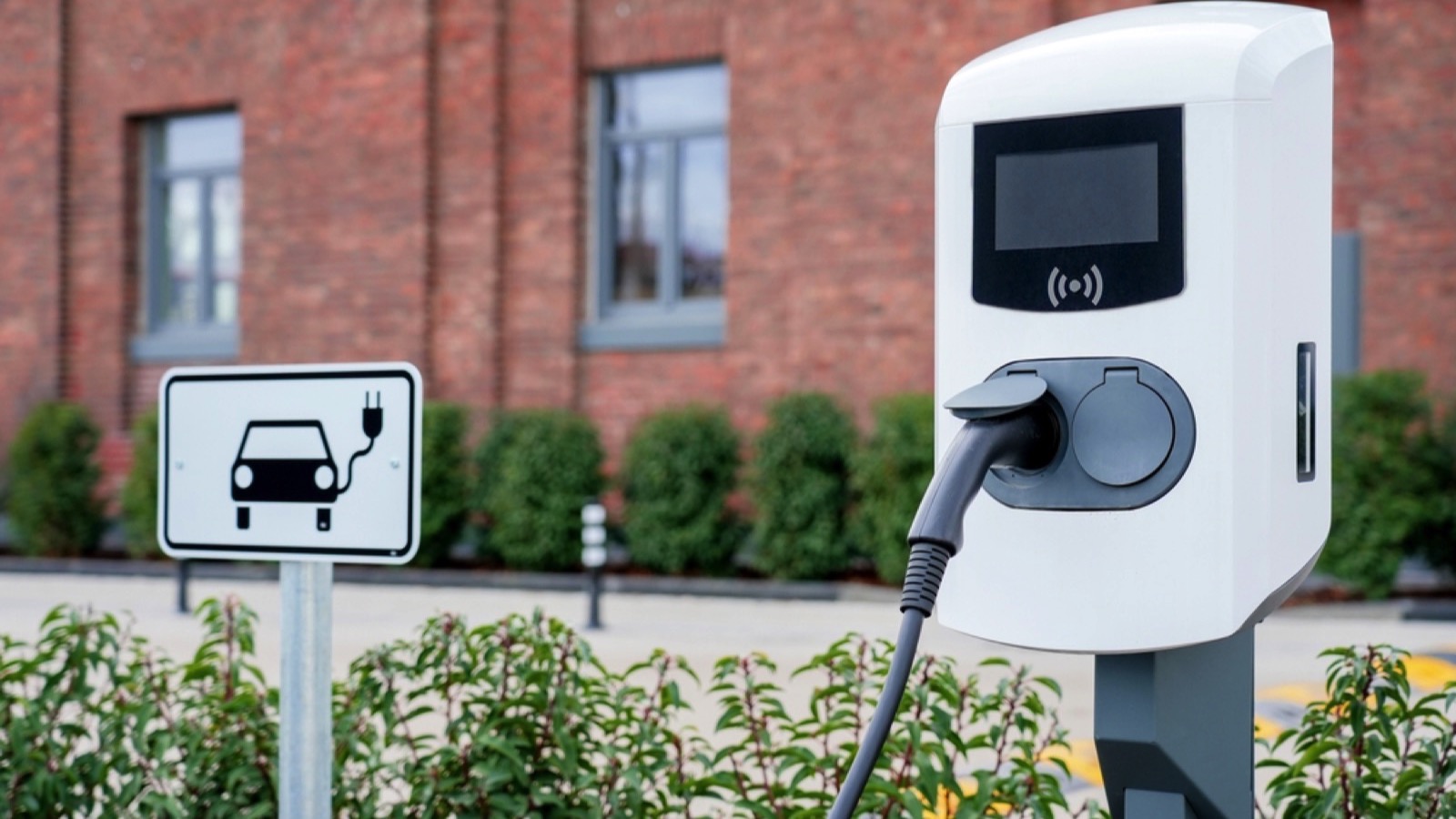
Another user said their employer used to pay for charging at their business. They could charge their cars at work for two years, but now, charging there is more expensive than gas.
4. Full Tank

For another user, getting an electronic vehicle was the way forward. Their car was totaled last year, and they had to get a new one. They went for an EV without thinking twice. Now they charge at home from a regular outlet and haven’t gotten gas since. They say it’s pretty glorious waking up to a full tank and never needing to stop anywhere to fuel up. Even with their increased electric bill, powering their car is much cheaper than paying for gas.
They advised the OP that if he doesn’t need a new car, a car payment will probably be more expensive than his fuel savings. But an EV will be the right choice if he needs a new car.
5. Stick With It

One user advised the OP to stick with his current car until its serviceable life ends. If he wants to see if an EV is for him, he should rent one. The user said they rented a Polestar in Austin, Texas, to see what it was like, but even in an “EV-friendly” area like Austin, it was challenging to find non-Tesla charging stations. The user says they’re not anti-EV; it’s just that, in their opinion, the infrastructure isn’t in place yet.
6. Not Representative
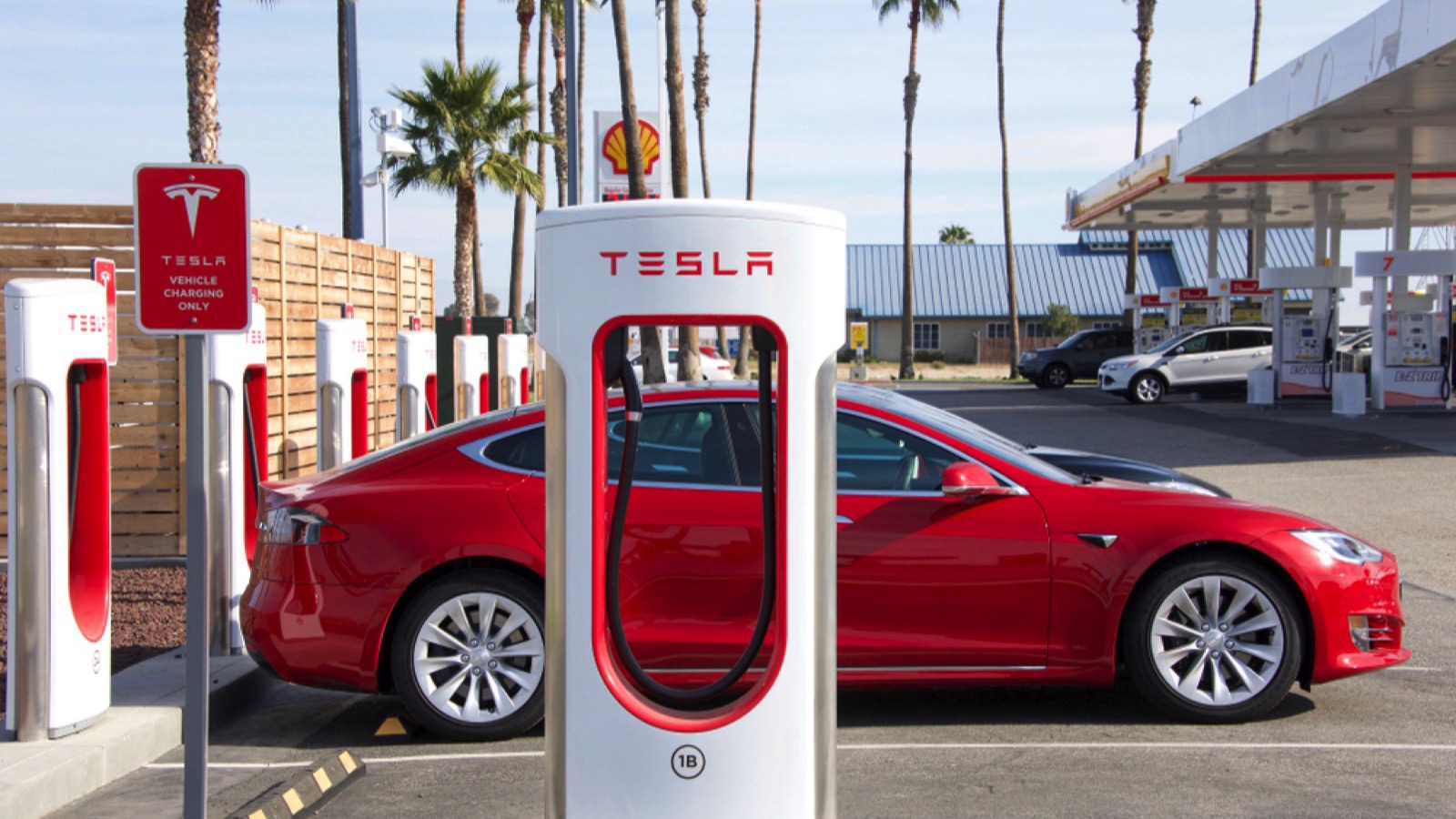
Responding to the opinion above, another user said that renting an EV is not like owning one. This is mainly because, according to the user, one of the biggest advantages of driving an EV, from a time and cost perspective, is charging at home. Being totally reliant on the public charging stations today is a worst-case scenario. Another user agreed and said rental EVs may also be throttled. They said some work was being done on their spouse’s electric car, so he rented a Tesla Model 3. It felt very different than what they were used to because many of the features and settings were locked.
7. Get Rid of It
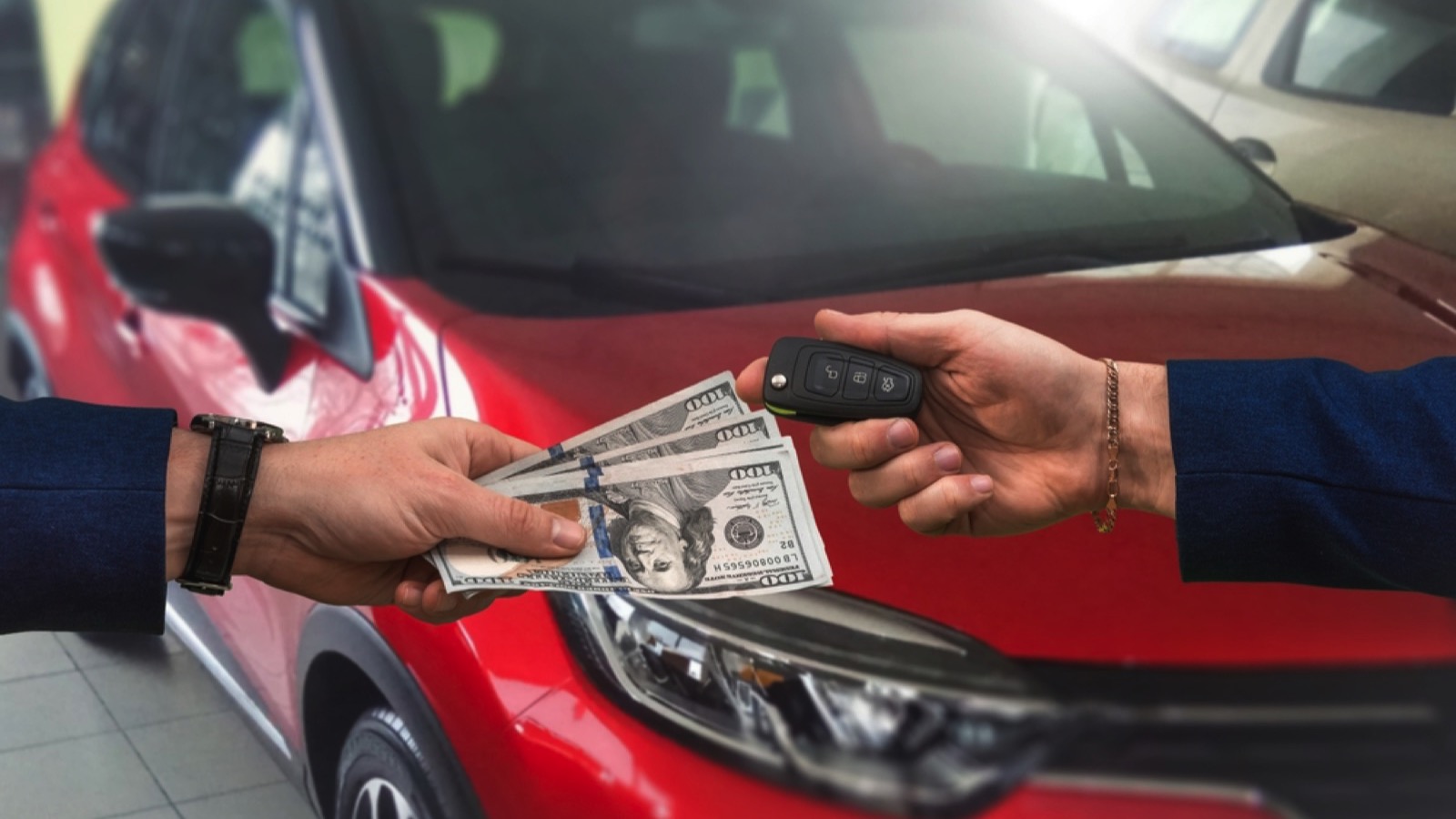
Another user encouraged the OP to sell or trade the Ford Edge as soon as possible because these vehicles don’t have a good mechanical track record. They said the OP could make up to $10,000 if they trade it in now. This would help reduce the cost of the EV they’d be buying.
8. Drive It Until You Can’t

Other users told the OP to keep his current car and drive it until he can’t anymore. This is important because the OP can’t be sure he’ll have access to a charger if he buys an EV. They said other colleagues also have EV cars and will sit there all day charging theirs. So, there’s a chance the OP might eventually pay to charge in the long term. The user asked the poster what they’d do if they changed jobs because they obviously couldn’t use the same charging stations.
9. Best of Both

“I am getting ready to trade both my gas vehicles to get a hybrid and an electric,” says one user. “There are tons of used EVs for under $10k. I’ll get a used 10-year-old Nissan Leaf for about 5-10k that still gets 80 miles fully charged. That’s great for getting around town. A hybrid Toyota will be there for longer trips, also for around $10k.” Another commenter agreed with that user’s decision, saying they made a great choice. A small/cheap used electric with enough range for commuting and a recent hybrid for longer trips are good combinations.
10. Home Recharger
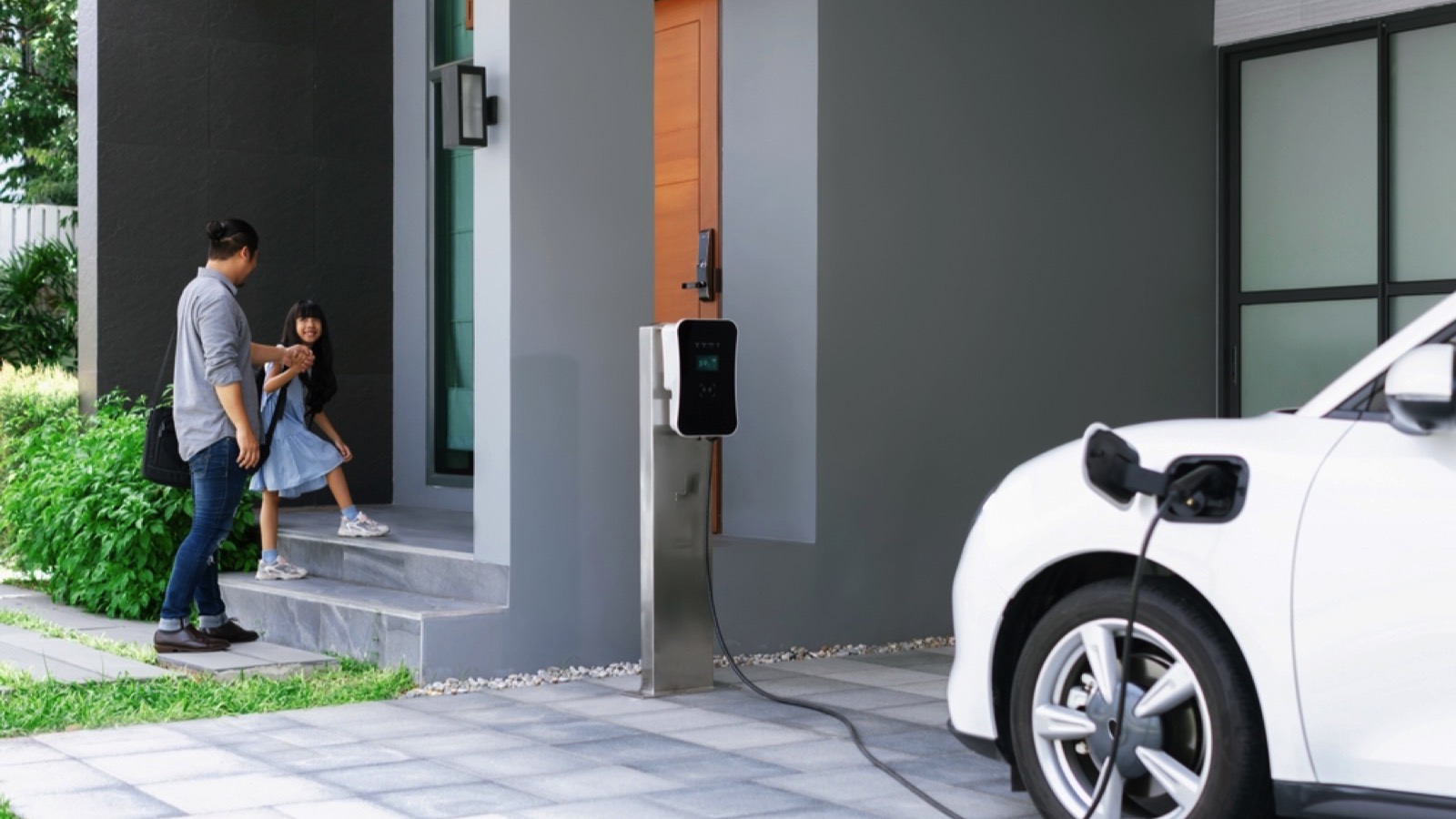
One user asked the OP what they would do when they go on vacation or no longer work for that company. This means they’d need a home recharger, which adds to the cost. The user noted that they read a recent article that says it takes an EV purchaser 7-10 years to break even for an EV vehicle purchase, including a home charger. That also doesn’t count for a potential battery replacement in the future.
Source: Reddit
17 Sneaky Money-Saving Hacks You Can’t Afford to Miss

Making minor adjustments to your spending behavior can lead to substantial savings in the long run. However, it’s crucial to identify which habits genuinely contribute to these savings and which do not. One user inquired about the most effective money-saving practice, prompting the compilation of a list featuring the top 17 choices. These habits have proven to be instrumental in helping individuals accumulate significant savings over time.