
Disclosure: This post may contain affiliate links, meaning if you decide to make a purchase via my links, I may earn a commission at no additional cost to you. See my disclosure for more info.
Being stuck in a debt loop is a soul-destroying situation nobody wants to find themselves in. Interests keep increasing, and it becomes almost impossible to get out of it as time passes.
People can escape the clutches of debt if they practice self-discipline and implement tried-and-tested strategies. Thankfully, the best strategies for getting out of debt are simple and easy to implement.
To help you enjoy the sweet taste of being debt-free, we’ve listed 14 simple steps you can start with today.
Classify Your Debts Into Good and Bad Ones

Every liability you have at the moment is a burden weighing you down. However, all liabilities and debts are not the same. You may have taken certain debts for your education, car payments, or health expenses. You may have also taken debt for personal expenses such as travel, shopping, and entertainment.
However, it’s not the reason you took a debt that makes it good or bad. It depends on how much interest you pay and what the long-term implications are going to be on your financial well-being.
List all your debts and classify them according to their interest rates. You’ll be surprised to learn that certain credit cards have a lower interest than others. The ones with the high interest rates are bad, and the ones with the low interest rates are good. Start paying off the ones with the high-interest rate while you make only the minimum payments for the low-interest debts.
Get Rid of Credit Card Debts First

Credit cards are an expensive form of debt that incurs a lot of monthly interest. They also come with legal challenges, exposing you to potential lawsuits and other financial problems if you do not make payments regularly. Worse, the high-interest rates keep you forever in the debt loop.
Use the snowball technique to start paying off the smallest credit cards while making minimum payments on the bigger ones. Once you have cleared off a smaller credit card, you can move to the next one and clear it off similarly. The snowball technique is highly effective and has worked for many people.
Speak to a Debt Consolidation Company

There are several debt consolidation companies that help people stuck in perpetual debt loops. These companies often have connections with banks and creditors and can negotiate on your behalf to reduce interest rates or even waive certain portions of your balance.
They may also offer to finance your debt at a more reasonable interest rate. What they really do is pay off all your creditors at a pre-negotiated price, which works out for them profitably. Then, they offer you a payment strategy that’s significantly lower than what you might have had to pay if you had done it on your own. However, some debt consolidation plans come with the risk of lowered credit scores. Stay warned.
Take a Personal Loan

If you do not have a lot of debt and you only have a couple of credit cards or a few non-traditional loans, you may be able to take out a personal loan to pay them off. A personal loan is usually cheaper than other forms of debt, such as credit cards.
As a result, you will save a lot of money by not having to pay interest. Moreover, this is a form of debt consolidation, and you will only have to worry about making payments to a single creditor instead of multiple ones.
Create a Budget

You can never get out of debt if you don’t plan your spending correctly. This is because you will always be under the illusion that you have enough money to cover your basic expenses and make the minimum payments.
Unfortunately, this is never the case. You will always end up overspending, which is probably why you got into this situation in the first place. Hence, open up to the idea of budgeting and live within the budget plan you create. Speak to a financial advisor if you cannot create a budget plan.
Cut down on Your Expenses

This is a no-brainer, but many people continue to live the way they always have led their lives. As the old adage goes, nothing will ever change if you don’t change anything. If you do not cut down your expenses, your debt will keep accumulating, and the status quo will be maintained.
Understand what your essential expenses are and identify unnecessary ones. Learn to live frugally for at least a few months, and then you will eventually be debt-free, thanks to the extra money you can use to pay off your loans.
Consult Financial Advisors

Financial advisors are professionally trained to help people who have financial issues. If your money problems are out of control and you cannot deal with them alone, it is time to seek professional help.
Financial advisors will help you identify various ways to escape the death trap. They can also suggest tangible solutions, such as contacting debt relief agencies, seeking legal help to tackle loan sharks, and filing lawsuits against those who harass you for money owed. Depending on the case, you may actually be able to file a counterclaim if the harassment is pretty bad.
Negotiate With Creditors

Negotiating with your creditors is the perfect option for finding a payment plan that works for you. Most credit card companies are open to accepting a single payment or payment in installments if you have not paid anything for a very long time.
Instead of having to write off loans as bad debt, banks would be more interested in giving you a second chance and negotiating a payment plan. This applies to private financiers as well. If you cannot do the negotiating part yourself, your debt advisor can help you.
Explore Debt Payoff Strategies

In addition to the commonly prescribed snowball technique, other debt payoff strategies exist. The higher rate method is one of the well-known strategies to clear that while saving money on the interest you pay. All you need to do is identify which of your debts have the highest interest rates and start paying them on a priority basis.
Another strategy is to ensure you don’t just pay the minimum amount but always a little extra. With all these strategies, you must also ensure you don’t use your credit card repeatedly.
Consider a Balance Transfer Credit Card

Sometimes, you may not be eligible for a personal loan or debt consolidation assistance. You may also not be able to use the snowball method if you do not have a regular job. Instead of exposing yourself to lawsuits, you could apply for a balance transfer credit card.
The new credit card will pay off all your other credit cards, consolidating your debt. Many banks also offer interest-free cards, which you must watch out for.
Take a Side Hustle

Let’s face it. You wouldn’t have gotten into debt if you had enough money to care for your needs. If you feel judged or unfairly evaluated by people around you, they probably don’t understand why you took up that debt anyway. Regardless of how you got into the debt trap, getting out of it is essential.
If you take a side hustle, whether or not it pays a lot, it can help you make some payments. There are several websites and applications that help people take up freelance jobs. Fiverr.com, Guru.com, and other websites are great examples.
Don’t Forget Self-Care

While trying to figure out different ways to pay off your debt, it’s easy to neglect yourself. Self-neglect causes depression and will lower your motivation to do things. Indirectly, this will affect your debt repayment plans.
You may feel so unmotivated that you will not take upside hazards, miss your payment deadlines, and spiral down the path of maladaptive behaviors. Practice self-care and indulge yourself occasionally to keep your mind healthy. This will help you gather the strength and tenacity required to repay debts.
Take Care of Your Physical Health

Like the tip above, taking care of your physical health is just as important. Your health will deteriorate if you don’t sleep well or get enough exercise. When you’re unwell and tired, you cannot work efficiently.
Worst, you may develop health issues and have to spend on medical expenses. This will further worsen your debt situation and delay your ability to break free from the clutches of loans. Take care of your physical health to tackle your financial issues head-on.
Consider Applying for Bankruptcy
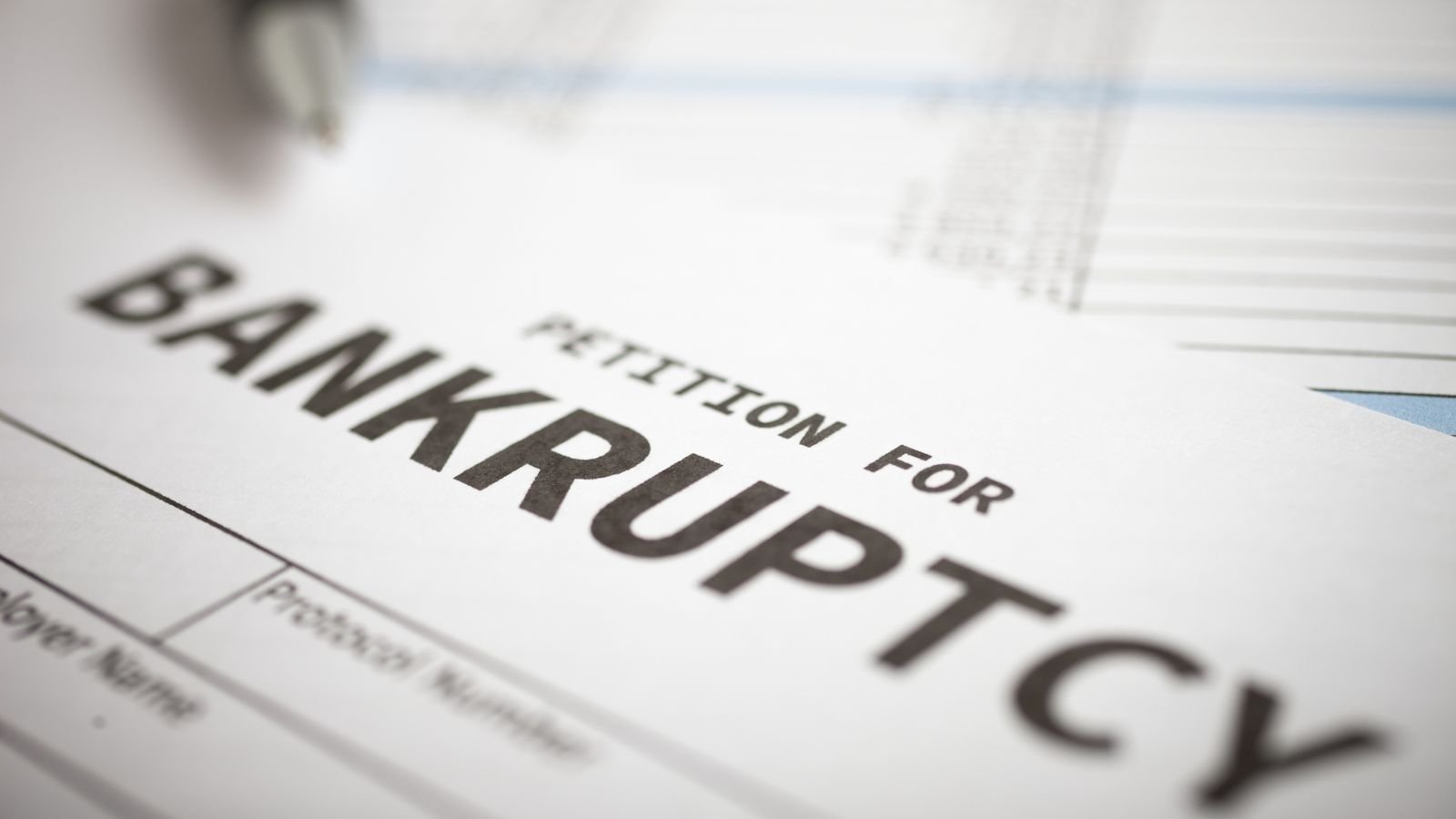
If nothing works out, and your debt is 50% higher than your gross annual income, filing for bankruptcy is not a bad option. It will save you from many legal issues and give you the peace of mind of being debt-free. You will no longer receive those threatening calls, emails, or even visits at your doorstep.
However, this comes with the catch. You may be unable to apply for any loans or credit cards for a certain period, as your credit score will severely suffer. If you’re confused about how bankruptcy will affect your financial life, speak to a financial advisor today.
The 41 Biggest Wastes of Money

If you’re looking for ways to earn more money to put toward your goals, start by examining your spending habits. By tracking your spending and seeing where every dollar goes, you’ll likely find several instances of spending money you don’t have to. It could be little things that add up or recurring monthly expenses that are an utter waste of money.
Once you eliminate your bad spending habits, that money can go toward your emergency fund, paying off debt, or other essential things. Here are the 41 biggest wastes of money to look out for.
- Read More: The 41 Biggest Wastes of Money
16 In-Demand Remote Jobs Hiring Candidates Now

If you’re looking for a little more flexibility in your career or wondering what it might be like to work from home, this article is for you. We will break down 16 remote jobs to show that opportunities are available for more than just freelancers and entrepreneurs. From creative roles to dynamic customer service positions, you can pursue many engaging and fulfilling jobs right from the comfort of your living room.