
Disclosure: This post may contain affiliate links, meaning if you decide to make a purchase via my links, I may earn a commission at no additional cost to you. See my disclosure for more info.
Imagine sipping a fruity cocktail on a tropical island but not paying a hefty price. Sounds too good to be true? Think again!
Whether you’re dreaming of a bustling city adventure or a tropical paradise, we have 17 smart tips to cut costs and help you stretch your vacation budget further than you ever thought possible. We chose these tips because each offers a unique way to help you maximize your travel budget without sacrificing fun or comfort.
1. Make a Vacation Budget

A vacation budget is like a road map for your trip. It helps you stay on track and avoid overspending. To make a budget, start by figuring out how much money you have to spend on your trip. Next, list all your expenses, including accommodations, transportation, meals, and activities.
Assign each expense an amount on your budget. Be specific and account for any taxes or fees. Finally, add all your costs to ensure they fit your budget.
2. Cut Unnecessary Expenses

Cutting unnecessary expenses trims the fat from your vacation budget, allowing you to spend on things that matter. Check if your budget has any non-essential expenses. These could include expensive tours, fancy dinners, or pricey souvenirs.
Focus on experiences that will make your trip memorable. Some ways to do this are to try local cuisines and explore new places.
3. Book Your Flights Early

Booking your flights early means scoring lower prices. Airlines often offer deals and lower prices for tickets purchased well in advance.
Booking early also gives you more options. You’ll have a better selection of flights, including different airlines, routes, and departure times. This flexibility will help you find the perfect itinerary for your schedule and preferences.
4. Pay Using Debit or Cash

Using debit or cash for payments gives you better control over your spending. Unlike credit cards, which can be tempting to use due to the available credit limit, debit cards and cash only limit you to the money available.
Also, you won’t incur any interest charges when paying with debit cards or cash. When using credit cards, balances carry over monthly to accrue interest. That potentially adds to the overall cost of your vacation.
5. Pack Light

Packing light prevents you from incurring additional expenses. Many airlines charge extra for checked bags, so packing light helps avoid these.
If you carry lighter bags, you’ll spend less on transportation like rental cars and taxis and have fewer bulky bags to lug around. That means less stress and more time to focus on exploring your destination.
6. Pack Snacks

Snacks are a safety net to keep hunger at bay and your wallet happy. If you carry snacks, you won’t splurge on overpriced airport teats.
Also, carrying your own snacks allows you to make healthier choices. You can pack nutritious nibbles like fruits and nuts instead of relying on store options loaded with sugar and preservatives.
7. Travel During Offseason

Traveling during the offseason unlocks the secret to discounted adventures and crowd-free bliss. Flights, accommodation, activities, and attractions will likely cost less during off-peak seasons.
You will also get more value for your money when traveling off-season. Fewer people are traveling, so you can upgrade your accommodations or indulge in activities you may not have considered during peak season.
8. Consider Travel Insurance

Travel insurance covers unforeseen expenses like medical emergencies and trip cancellations. Instead of paying out of pocket for these unexpected events, insurance protects your wallet.
Insurance also helps you avoid hefty cancellation fees if you need to change your plans for a covered reason. So, you won’t lose your money if the trip doesn’t go as planned.
9. Look for Deals and Discounts
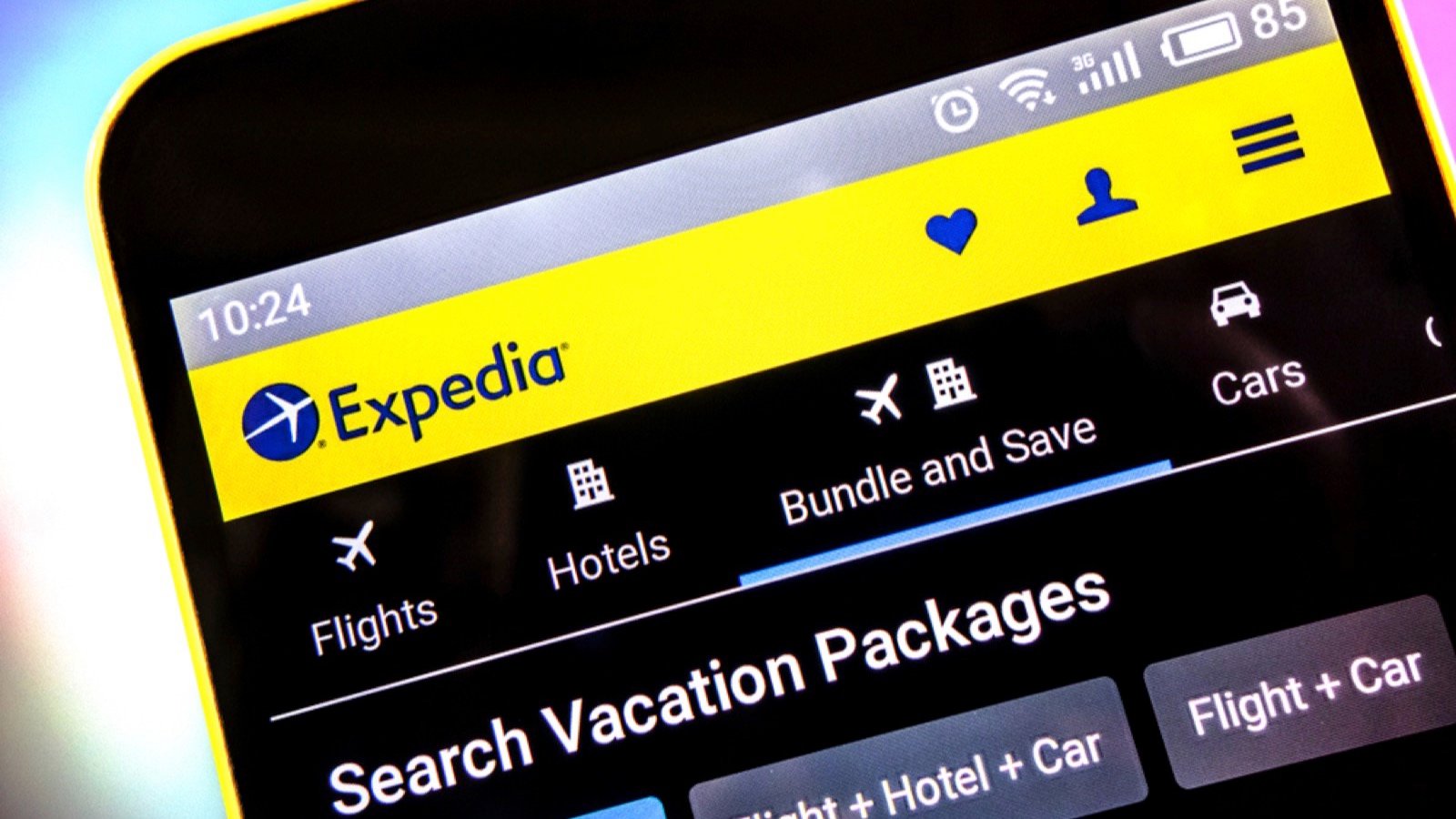
Deals and discounts help you save on different aspects of your trip, like accommodations, flights, and activities. Travel apps, websites, and newsletters offer exclusive discounts and promotional codes that can stretch your vacation budget.
You can afford experiences and upgrades that would otherwise be out of reach by looking for deals and discounts.
10. Travel With a Friend

Traveling with a friend doubles the fun and cuts costs in half. You share the accommodation, transportation, and meal costs.
You also create opportunities for shared experiences, such as group discounts on activities, attractions, and tours. You can negotiate better deals with your travel buddy, like a buy one, get one free deal, further maximizing your savings.
11. Use Fare Comparison Websites

Fare comparison websites help you find the best deals on flights and accommodations. These websites allow you to compare prices from multiple airlines, hotels, and booking platforms all in one place. That lets you quickly find the most competitive rates without spending hours through different sites.
Some sites offer exclusive discounts and codes if you book through them. By taking advantage of these special offers, you will enjoy significant savings on hotels, flights, and vacation packages.
12. Use Public Transportation

If available, public transportation is often cheaper than other options, such as rental cars or taxis. Buses, trains, subways, and trams allow you to get around without breaking the bank.
Some cities also offer tourist passes or discount cards that provide unlimited or discounted access to public transportation. These passes can save you money on fares and offer additional perks like free entry to attractions, making them cost-effective.
13. Look for Free Activities

Free activities allow you to explore your destination without spending a penny. Common free activities include exploring parks and visiting museums on free admission days. You can stroll through vibrant neighborhoods and experience the real culture.
Immersing yourself in the local culture through free activities is more likely to provide authentic and memorable experiences than pricey tourist attractions.
14. Use Local Currency

Using local currency helps you avoid costly conversion fees charged by banks and currency exchange services.
Also, when paying with cash, you’re more likely to stick to your budget since you have a tangible sense of how much you are spending. This makes it easier to track expenses and avoid overspending.
Vendors may offer better prices for customers paying in local currency. By negotiating better deals, you can eventually save more money on purchases.
15. Skip Extras

Extras like premium seating and add-on activities can quickly inflate your costs. In most cases, they are overpriced and offer little added value.
Skip the extras and focus on the essentials for a more affordable vacation experience. Use the money you would have spent on the extras to save for future travels or participate in an activity that matters more to you.
16. Avoid ATM Fees

ATM fees can quickly add up, especially if you withdraw cash frequently or use out-of-network ATMs. Plan and locate fee-free ATMs.
Check if your financial institution offers free reimbursement programs for using out-of-network ATMs. Such a program can help you avoid paying ATM fees and save money.
17. Earn While You Travel

Earning while traveling can help cover some or all of your expenses. Look for opportunities in freelancing, remote work, or work exchange programs to generate income while on the road.
Supplementing your travel budget allows you to splurge on particular activities, upgrade your accommodations, or explore new places without overspending. This transforms your vacation into a financially sustainable adventure.
18 Countries Where You Can Live Well for Under $1000 a Month

$1000 may not stretch far in the U.S., but there are many countries where it is enough for a comfortable lifestyle, one where you don’t need to sacrifice your safety or quality of life. One key factor influencing the cost of living is the local currency’s exchange rate. A stronger home currency can amplify your purchasing power abroad, making essentials like food, rent, and transport more affordable. Another aspect to consider when looking for countries where you can live well for $1000 or less is the local economy. Countries with a weaker economy often have lower costs of living, as wages are lower and goods and services are more affordable. Whether your heart yearns for rolling hills or sunny beaches, there are diverse locations worldwide where you can enjoy a good life for less.
16 Coolest Small Towns in the U.S. You’ve Never Heard Of

One of my favorite things about this country is the differences in each state. A cross-country road trip can take you from the mountains to the desert, coast, and swampland, with each region representing its unique charm and culture. I’m an avid road tripper and have spentsome time in these small towns. They left their mark on me in the best way possible.