Disclosure: This post may contain affiliate links, meaning if you decide to make a purchase via my links, I may earn a commission at no additional cost to you. See my disclosure for more info.
Living Is Pure Luxury in Europe – pack your bags and grab your passport. We’re heading overseas to the land of luxuries. But don’t worry, Europe is filled with low-cost everyday items that add richness to even the most mundane everyday tasks. Whether you’re a frequent visitor or looking forward to your first adventure abroad, here are 20 simple luxuries you can look forward to enjoying on your next trip.
1. Freshly-Baked Bread

Many Europeans still purchase a fresh, warm loaf of bread from their local bakery every day. Unlike the pre-sliced bread found in American grocery stores, European bakeries offer a variety of affordable baked goods. These delicacies range from baguettes and ciabattas to croissants and other pastries.
2. Public Restroom Stalls

Europeans who travel to the United States share one common complaint on social media: the doors on restroom stalls. In Europe, public toilets are either individual rooms or fully enclosed stalls. There is no need to worry about massive gaps; just enjoy the luxury of complete privacy.
3. Paid Vacation Days

Workers across the European Union are legally entitled to a minimum of four weeks of paid vacation. In comparison, paid vacation time in the US varies significantly. Without federal requirements, vacation days largely depend on the employer and state laws.
4. Museums

The Louvre, the Prado Museum, the Rijksmuseum, and the Uffizi Gallery—Europe is home to some of the best museums in the world. Although many require you to purchase tickets in advance, lucky locals can usually go for free during special events or designated entry times.
5. Cheeses and Charcuterie

Ever wonder why Parmigiano Reggiano can only officially come from Italy? The European Union has regulations to protect regional products and traditions, including Italian Parmesan, French Roquefort, and Spanish Serrano Ham. Charcuterie boards in America can rarely compete with the most basic cheeses and cured meats found in European supermarkets.
6. Good Public Transport

In many parts of Europe, owning a car is entirely optional. Efficient, reliable, and affordable public transportation is available in major cities. Moreover, it is relatively easy to travel on public transport to other urban centers, smaller towns, and remote rural areas.
7. Drinking Culture

Eighteen is the legal drinking age across most of Europe, where even McDonald’s sells alcohol. Though the continent is home to some heavy drinkers, these countries have different drinking habits. Places like Spain and Italy prefer to consume small amounts daily. Others, like Ireland and Germany, tend to engage in heavier drinking but on a less frequent basis.
8. Free Higher Education

Many public European universities offer free or heavily subsidized higher education, from Bachelor’s degrees to doctorates. In some cases, students even receive payment to fund their studies. While international students are still required to pay tuition, European institutions are usually cheaper than their American counterparts.
9. Bidets

Americans might be surprised to discover another feature of European bathrooms: bidets. More common in Southern Europe, bidets are an essential component in personal hygiene routines. They come in two forms: a classic bidet toilet or a handheld hose attachment.
10. Historical Buildings and Sites

Europe’s cities are ripe with centuries of history, evident even in their foundations. For example, the construction of Rome’s metro lines was delayed for years because excavators kept unearthing major archaeological sites in their path. Ancient coliseums, medieval castles, and Renaissance palaces provide surreal backdrops for everyday, ordinary life.
11. Food Quality

Americans were once obsessed with Mexican Coke because it contains cane sugar, not corn syrup. According to surveys in Europe, soft drinks are made with lower quantities of real sugar than their American versions. This difference is due to strict consumer protection laws, which ensure higher quality, healthier food for all European residents.
12. Affordable Healthcare

Affordable, universal healthcare is a fundamental right in most European countries. Although private health insurance exists, all citizens can access some form of subsidized care. Americans in Europe are often pleasantly surprised to discover their medical appointment is either free or moderately cheap.
13. Excellent Wine
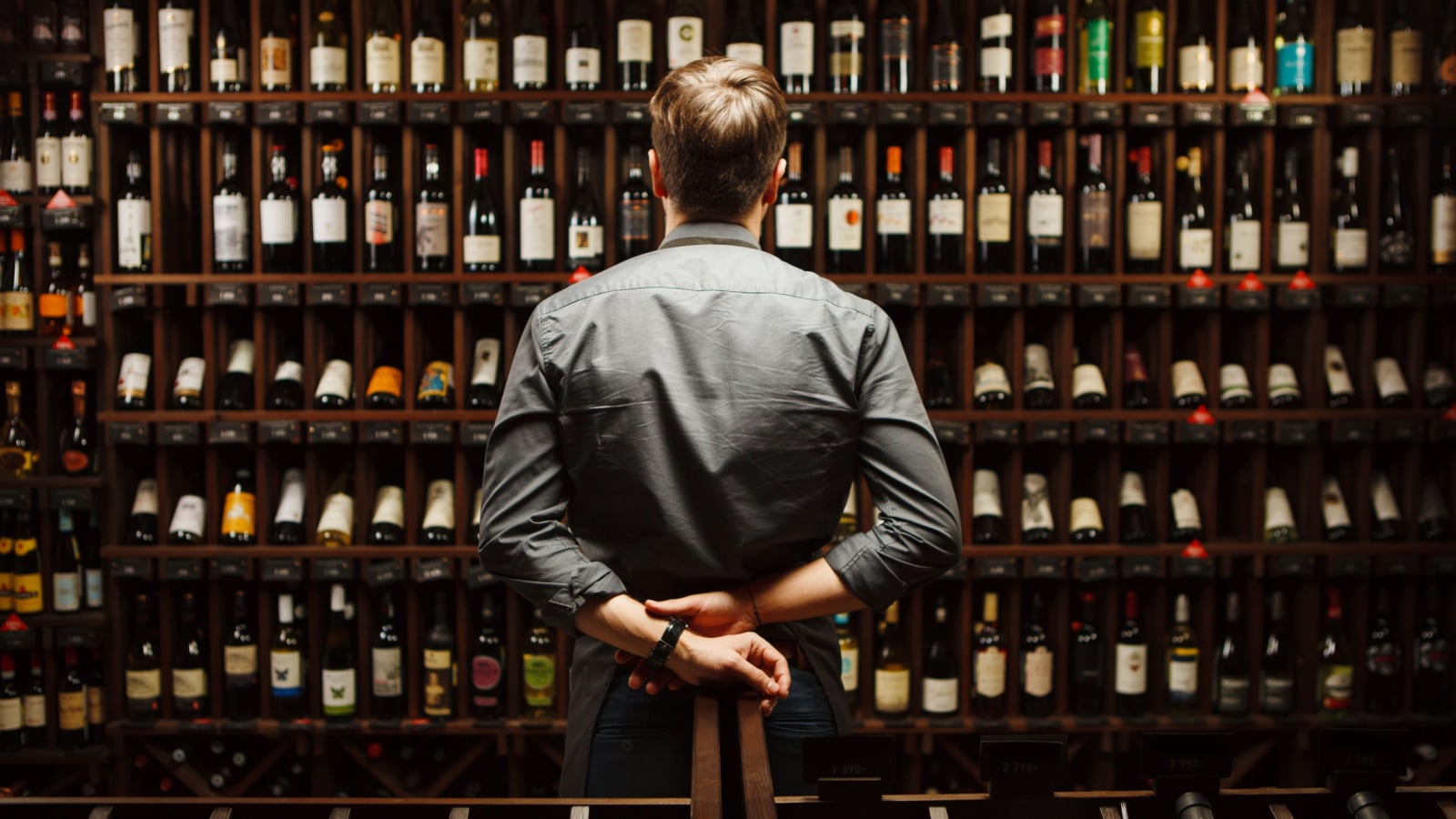
Wine is an integral part of European cuisine, used for both cooking and drinking. A diverse selection of low-cost, excellent-quality wines are available in countries where wine is made. Forget about paying five dollars for a mediocre wine—imagine award-winning quality at less than three dollars per bottle.
14. Café Culture

Europeans cherish their café culture, where people gather to socialize, enjoy a hot drink, and indulge in delicious pastries. Americans abroad, take heed. Do not even bother asking for coffee in a to-go cup unless you’re at Starbucks.
15. Walkable Cities

European cities were designed with pedestrians and horse carriages in mind long before the advent of cars or highways. Moreover, current city planners focus on making these urban centers more eco-friendly. In practical terms, this means more sidewalks, plazas, and bikes—and much fewer cars.
16. Parental Leave

The European Union legislation establishes a minimum of 14 weeks of paid maternity leave, with two weeks of compulsory leave before and after confinement and two weeks of paternity leave. Most countries surpass this bare minimum, with Germany guaranteeing up to three years of parental leave with an allowance.
17. Cheap International Travel

Visa-free travel within the Schengen Area makes Europe an ideal destination for backpackers. For European residents, the continent’s compact size and low-cost travel options make it incredibly easy to explore the many different countries and local cultures.
18. Lengthy, Leisurely Meals

Meals in Europe occur leisurely, with multiple courses and plenty of conversation. If invited for lunch in a Mediterranean country, expect to spend at least two hours at a restaurant.
19. Third Spaces

American ex-pats in Europe rate one aspect highly: the abundance of ‘third spaces.’ These are places other than the home or the workplace where people can socialize. In Europe, much of daily life happens in these third spaces, including restaurants, bars, museums, theaters, public parks, and more.
20. Drinking in Public

Americans abroad are often surprised to discover that open-container laws are not universal. Drinking in public spaces like parks, streets, and beaches, where people can enjoy beer or wine at picnics, is legal throughout most of Europe. Of course, rowdy behavior that causes disturbances has repercussions, such as a fine. Cheers to that!