Disclosure: This post may contain affiliate links, meaning if you decide to make a purchase via my links, I may earn a commission at no additional cost to you. See my disclosure for more info.
Inflation means most Americans are currently feeling the pinch at the hardware store. However, doing projects yourself may be a good way to save money.
Want to spruce up your home without hiring a handyman? These DIY ideas are a great way to unleash your creative genius and could lead to a significant slash in expenses in the long run.
1. Paint Your Walls

Painting your home is probably the first DIY project anyone thinks of. It’s a fun way to breathe new life into your walls. Painting can be so simple that you can start and complete a project over the weekend. Free video tutorials are abundant on the internet, so you’re certain to find one on how best to create a personalized painting project with expert finishes.
According to Forbes, the cost to paint a room in the U.S. ranges between $1.50 and $3.50 per square foot. Depending on the size of your walls, you could save hundreds of dollars by painting them yourself.
2. Cultivate Your Crop

A home garden saves money and controls how you grow your vegetables and fresh fruits, including which fertilizer and pesticides come in contact with what you eat. You also get to see your vegetables ripen before they are picked, a luxury you don’t have with store-bought veggies.
Growing your crop will take a few weeks before it yields produce, but it could be much cheaper than buying from the store. According to the National Gardening Association, setting up a home garden costs about $70. At the end of the year, however, you could expect a harvest of fresh, homegrown vegetables and fruits worth at least $600.
3. Upcycle Furniture

It’s not the end of the road for the pile of furniture in your attic. With some creativity, you can repurpose old tables, tired chairs, and dressers with upholstery, hardware replacement, and a fine coat of paint. If you have no experience with upholstery, an online tutorial can give you the knowledge you need.
Upcycling furniture saves you a lot of money in the long run. It adds a personalized touch to your home, which gives you a sense of pride and satisfaction. You also help preserve the environment, giving old furniture a new lease of life rather than sending it to the landfill.
4. Fix Leaky Faucets

When a faucet starts dripping, it doesn’t stop until you hire a plumber or fix it yourself. Judging by the number of faucets in a home and how they leak at different times of the year, learning to fix them yourself could save you a lot of money and more gallons of water in the long run.
Fixing a leaky faucet is surprisingly simple. With the right tools and some research, you can stop the drip in minutes. The only money you’ll spend on faulty faucets beyond repair is replacement hardware. Make sure you know what you’re doing, though. A bad repair will mean a call to a plumber, anyway.
5. Use Low-Flow Fixtures

Low-flow fixtures are designed to reduce water consumption while maintaining the same water pressure you’re used to. Low-flow fixtures can save up to 50% of water compared to standard fixtures, making replacing old faucets, toilets, and showerheads worth the initial costs. You also get to save on water bills.
Replacing a new fixture is often a simple process you can master from reading the manual leaflets. Low-flow fixtures also extend your water heater’s lifespan by reducing wear and tear.
6. Make Your Cleaning Agent

You don’t need a degree in chemistry to make your own cleaning agents. You’re not manufacturing rocket fuel. Natural ingredients like lemon juice, baking soda, and vinegar make great, inexpensive cleaning products.
In addition to the cost-saving benefits of making home cleaning products, you can decide the degree of harshness of your soaps. Harsh chemical cleaners irritate the throat and eyes and could lead to health complications, while your gentler homemade cleaner doesn’t pose the same threats.
7. Cook Your Meals

The average American spends $3,639 eating out annually, which is more than $300 a month. Cooking meals can slash your food budget by more than half, leading to significant long-term savings.
Homemade meals are also healthier since you decide which ingredients go into your food and your portion size. If you eat out a lot and find it hard to avoid the temptation, planning your meals ensures you have food on hand before you get hungry.
8. Install a Home Water Filtration System

According to Homewater, bottled water costs $1.23 per gallon in the U.S. While that seems inexpensive, the cost adds up in the long run, putting a dent in your wallet. Installing a home filtration system can make water from your faucet cleaner and safer to drink, and you can do it yourself.
Installing a home filtration system doesn’t have to be complicated. American tap water is mostly safe to drink, and the filtration you require may be to prevent any dirt lodged in your home’s pipes from getting into your drinking water. Under-sink water filters may be all you need to fix to save hundreds of dollars on drinking water annually.
9. Mow Your Lawn
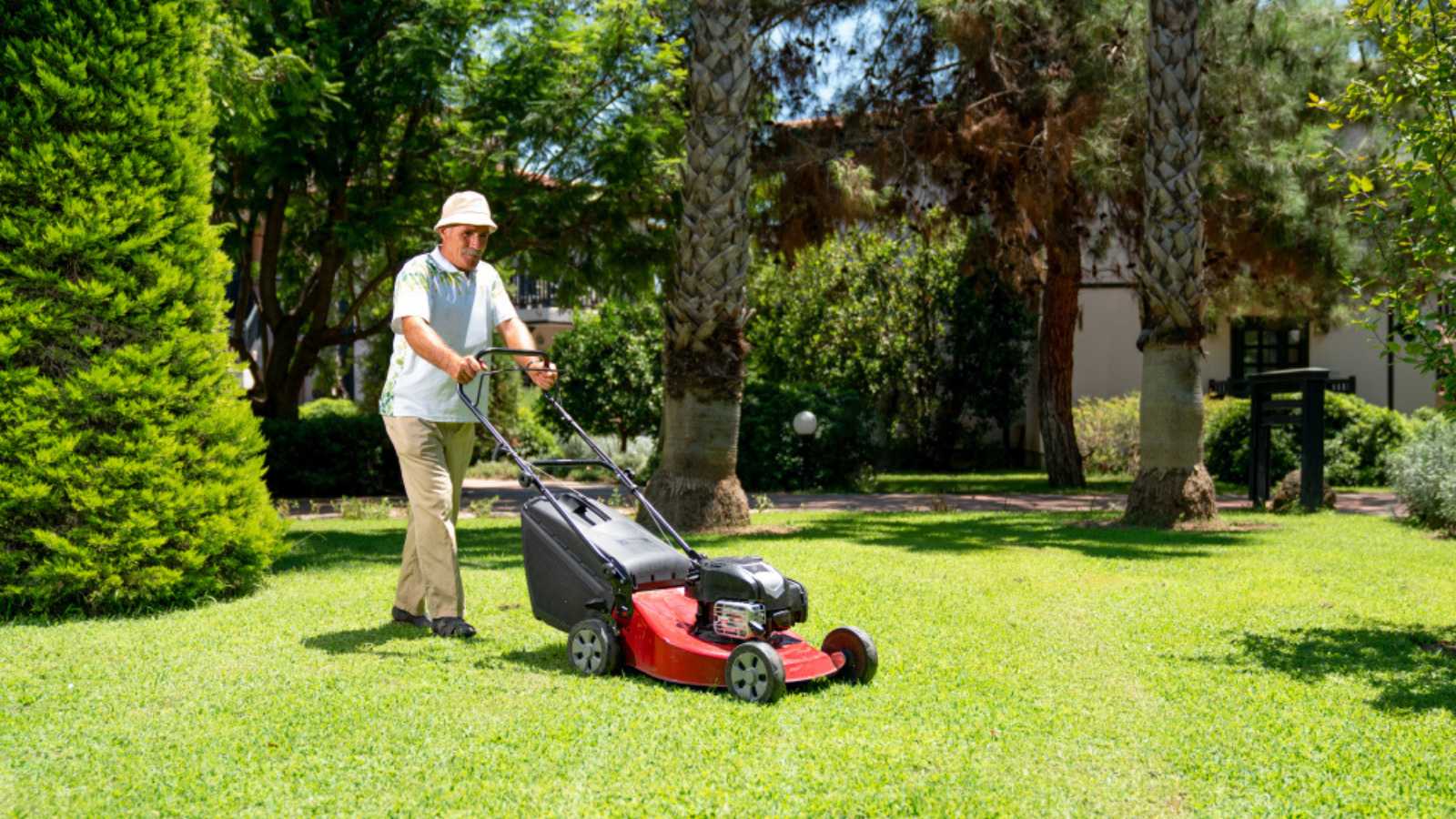
Lawns grow too quickly, don’t they? Rather than spending hundreds of dollars on lawn care, you can do it yourself, at your convenience, and without bleeding your wallet dry.
The average national cost for lawn care services in the United States is $136 and could increase depending on where you live. Considering the number of times you’d have to mow yearly; you could spend thousands of dollars on keeping the lawn pruned if you’re not doing it yourself.
10. Home Decor

Ready-made decorations can be expensive, but creating your own decor is a fun DIY that could save you hundreds of dollars. Complex home decor may require a professional’s help or hours of commitment to learning the how-tos, but simple projects like wall art, throw pillows, and vases are easier to do, even for a newbie.
One perk of creating your decor is the feeling of personalization that defines every piece. Through inexpensive, easy-to-source materials, you can add color and vitality to your home decor and save money while you’re at it.
11. Weatherproofing
If you live in the United States, you’ll spend an average of 15.45 cents per kilowatt-hour on electricity. Without a weatherproof home, the cost of cooling and heating can hit the roof.
Sealing gaps and cracks around vents, windows, and doors can prevent air leaks, increasing energy efficiency and reducing power costs. You could also add caulking and weather stripping to stabilize indoor temperature. This reduces the load on your HVAC and could save you some extra dollars in the long run.
12. Do Your Car Care
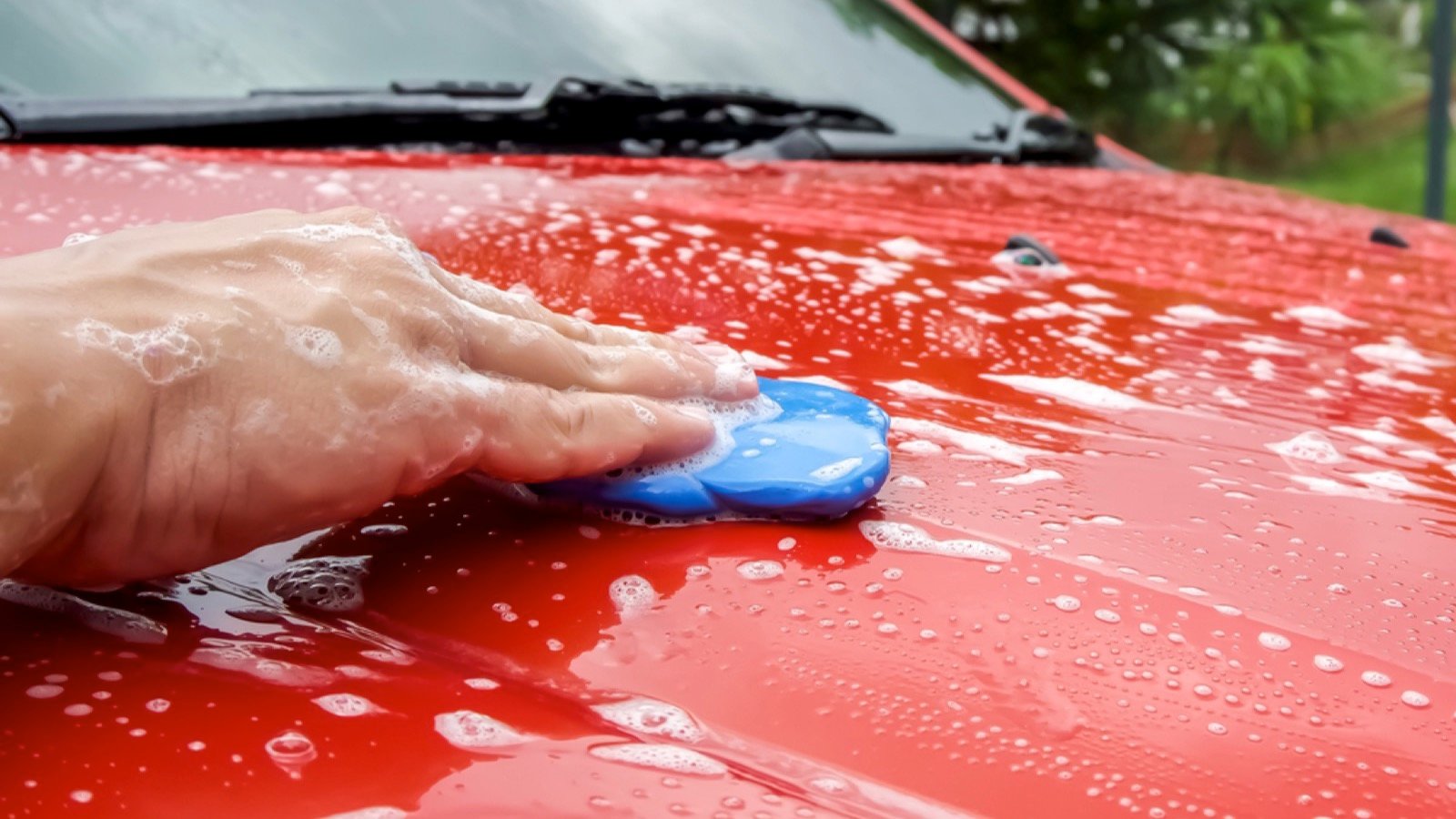
Outsourcing washing and detailing your car saves time but can set you back a few hundred dollars annually, depending on how often you visit a car wash.
A single car wash costs between $15 and $25, not including tips and special treatments. Washing your car at home saves money. You could put those funds into building your savings or growing your emergency funds just by doing it yourself.
13. Filing Your Taxes

Depending on your annual income, filing your own taxes may save you the cost of hiring a tax advisor. According to the IRS, most people with paid employment could file their own taxes within eight hours. Business owners may need an entire day to do the same, which is cheaper than hiring a professional.
While filing your tax saves you money in the long run, each scenario poses different complexities. If it’s confusing beyond what you can resolve with tax software, hiring an accountant may also be cost-saving in the long run.
10 Practical Ways to Be Frugal Without Being Cheap

You can be frugal without being cheap by understanding the difference between price and value. A cheap person cares only about getting the lowest price. Frugal people look at price as one factor that determines value.
15 Bizarre Items That People Bought and Sold on eBay

We all have an eBay account, but who still uses the platform? Traditionally, eBay was the go-to website to sell and buy used items. Now, there are many marketplaces for second-hand items, but eBay is the place where weirdness abounds. What’s the weirdest thing you’ve seen on eBay? I can bet it wasn’t as weird as some of these items.