
Disclosure: This post may contain affiliate links, meaning if you decide to make a purchase via my links, I may earn a commission at no additional cost to you. See my disclosure for more info.
If you think a library card is only for borrowing novels and textbooks, prepare to be pleasantly surprised. Libraries have evolved into dynamic community hubs offering various resources beyond the printed page. They now provide access to cutting-edge technology, digital resources, educational programs, and entertainment options.
Below, we explore 16 ways to use your library card that will make you wonder how you ever lived without these hidden gems.
1. Access E-books and Audiobooks

Gone are the days of lugging around hefty novels or straining your eyes under dim lights. With a library card, you can access an extensive digital collection from the comfort of your couch — or anywhere.
E-books are perfect for those who love reading on the go. You can borrow e-books by downloading the library’s app or visiting their website.
Audiobooks are a game changer for multitaskers and busy bees. Whether you’re commuting, exercising, or doing chores, you can listen to your favorite stories and learn new things without missing a beat.
2. Stream Movies and TV Shows
Most libraries partner with streaming services like Hoopla or Kanopy to offer a wide range of films and TV series. This means you can binge-watch your favorite shows and enjoy movie nights without subscribing to multiple streaming platforms.
In addition to saving money, streaming through your library supports a more sustainable, community-focused way to consume media.
3. Borrow Music CDs and Streaming Services
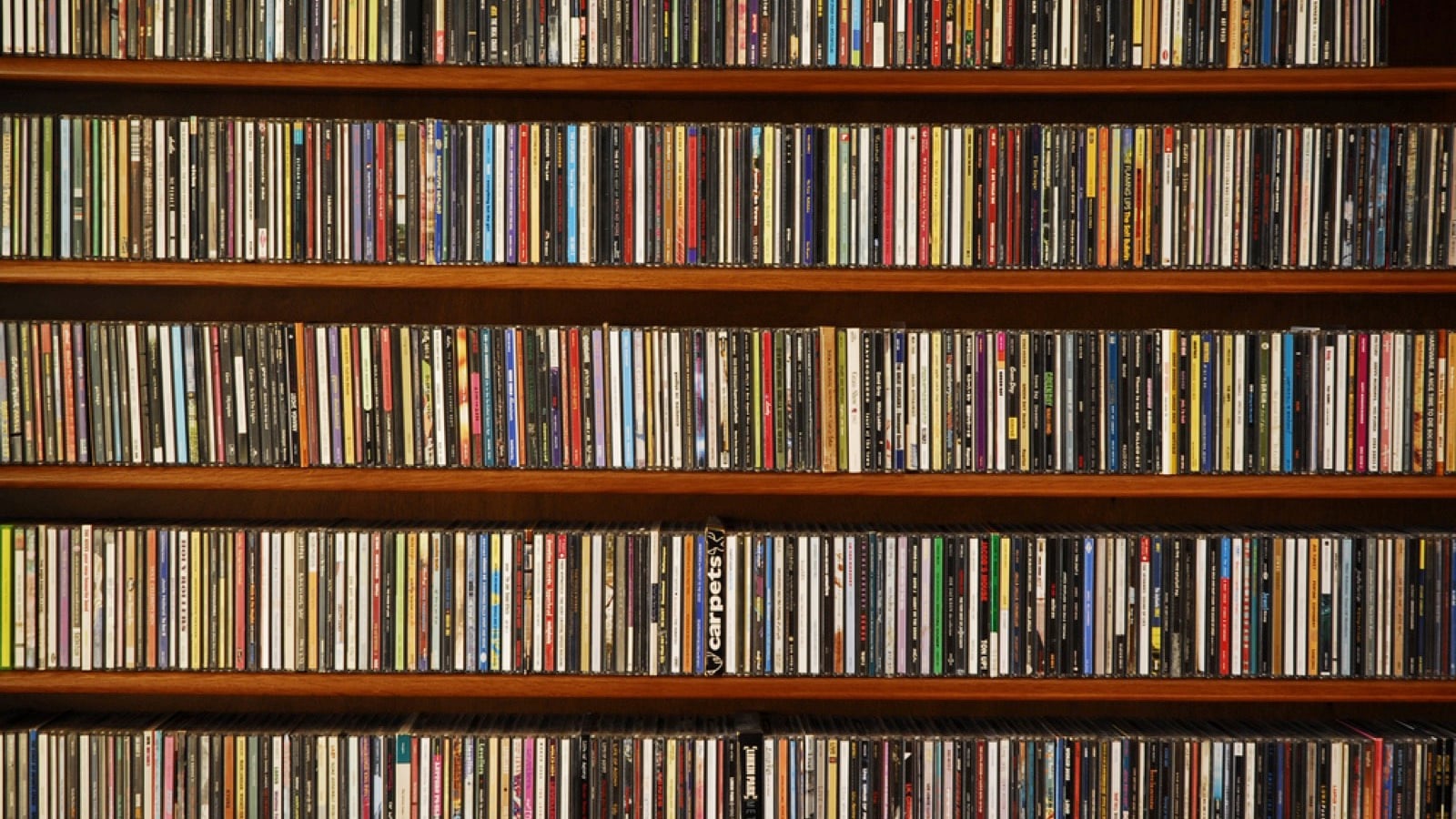
Whether you’re a classical fan, a rock enthusiast, or a pop lover, your library card can open up a world of music without costing you a penny. Libraries have extensive CD collections you can borrow, just like books, and bring home your favorite albums.
But that’s not all; libraries are also getting digital with music — some partner with streaming services like Freegal to offer access to millions of songs and albums.
4. Use Free Digital Magazines and Newspapers
Libraries partner with digital services like PressReader and RBdigital to give you instant access to thousands of magazines and newspapers worldwide. You can read these on your computer, tablet, or smartphone, making them perfect for on-the-go access.
Digital access means no more cluttered coffee tables or missed issues. It’s also environmentally friendly: less paper, more trees.
5. Access Online Courses and Learning Platforms

Education providers like Coursera, Gale Courses, and LinkedIn Learning have partnered with some libraries to offer different courses. These courses range from business and technology to creative arts and personal development. With just a few clicks, you can access high-quality video tutorials, interactive lessons, and expert-led classes.
This incredible resource means you can boost your resume, master new software, or simply indulge your curiosity without spending a fortune on tuition fees.
6. Utilize Language Learning Platforms

Learning apps like Duolingo, Mango Languages, and Rosetta Stone are some of the most common ones that offer an interactive way to master new languages. If you’re lucky enough, your library may have partnered with some of these to help you expand your linguistic horizons.
These apps have features like games, quizzes, and real-life scenarios that will have you speaking like a native in no time.
7. Check Out Board Games and Puzzles

Many libraries have extensive collections of board games, ranging from classics like Monopoly and Scrabble to modern favorites like Settlers of Catan and Ticket to Ride. With your library card, you can borrow these games for free and enjoy hours of laughter and friendly competition.
Also, some libraries offer puzzles like jigsaw puzzles and Sudoku to help you kick off boredom.
8. Borrow Video Games

From action-packed adventures to mind-bending puzzles, your library has something for every gamer. Whether you’re into PlayStation, Xbox, Nintendo, or PC games, you will find a diverse collection waiting for you on the shelves.
Borrowing video games from the library is fun and a great way to save money.
9. Reserve Museum Passes

Most libraries offer museum passes you can reserve and borrow. This allows you to explore art, history, science, and more without spending a dime. With your library card, you can reserve passes online or at your local branch, pick them up, and enjoy discounted or free admission.
Borrowing museum passes is one of the many ways to support local arts and culture.
10. Use Library Computers and Internet Access

Libraries offer computer use and internet access to cardholders, providing a valuable lifeline to those who may not have these resources at home. You can use the library computers to check your email, do research for school or work, or just browse the web.
Plus, libraries often have helpful staff to assist with technical questions and troubleshooting.
11. Reserve Meeting and Study Rooms

If you’re looking for a quiet place to study or a professional meeting space, your library card can help. Libraries often have rooms that can be booked for free, providing a perfect solution for students, professionals, and community groups.
These rooms are equipped with everything you need to work effectively. The most common items available are chairs, tables, whiteboards, and sometimes projectors and other AV equipment.
12. Print, Scan, and Fax Documents
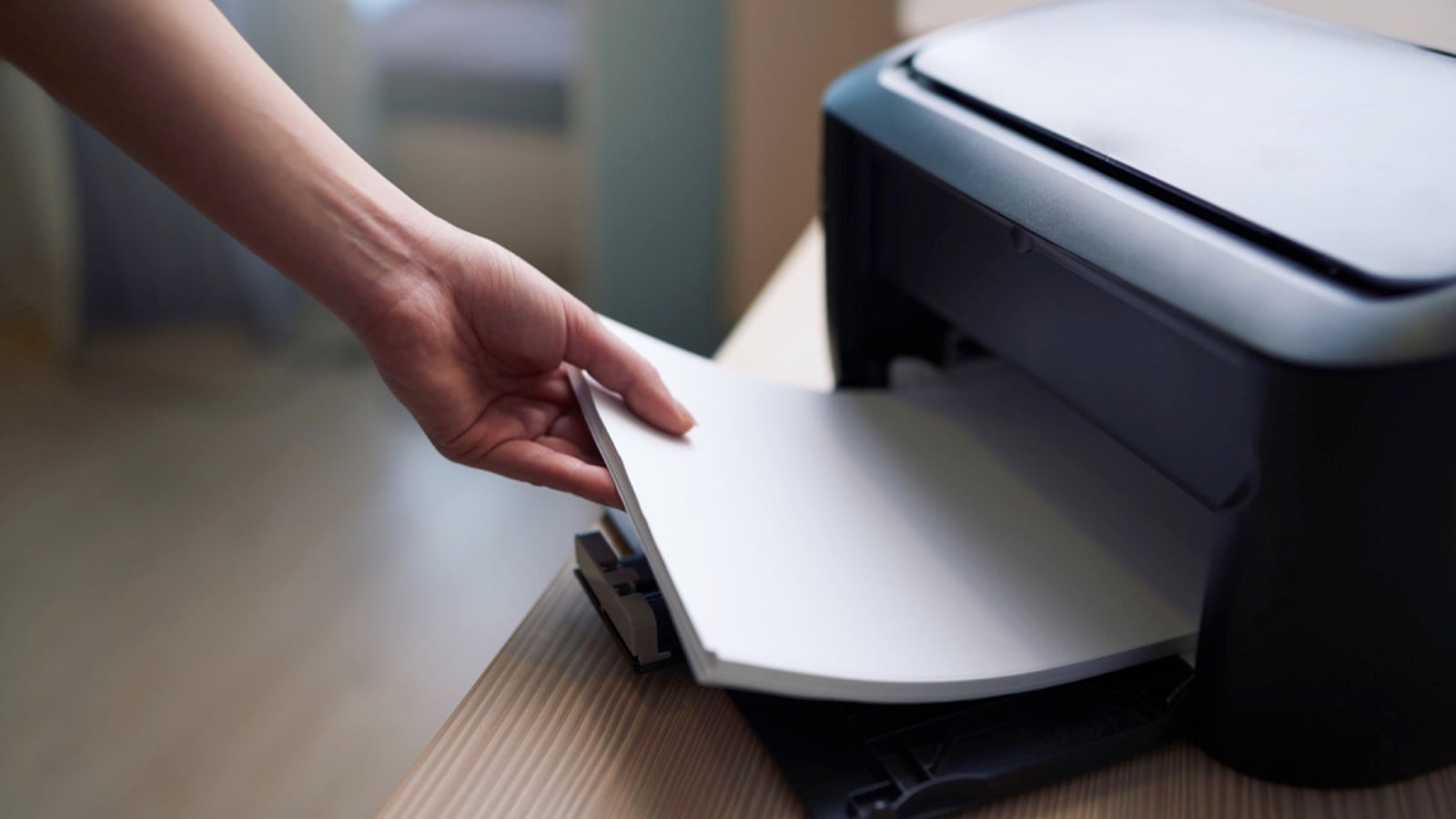
Libraries provide a convenient and cost-effective solution for handling important paperwork by allowing users to print, scan, and fax documents. These services are usually available at a nominal fee, making them cheaper than investing in equipment at home.
Such services are convenient for students, job seekers, and anyone needing to manage paperwork without the hassle of finding a commercial service.
13. Borrow Tools and Equipment

You don’t always have to buy power drills, saws, sewing machines, or gardening tools whenever you have a new project. Many libraries have tool lending programs that allow you to borrow various tools and equipment for free.
This service is perfect for DIY enthusiasts, homeowners, and hobbyists who need occasional access to specialized tools.
14. Participate in Book Clubs and Discussion Groups

Book clubs are groups of people who meet regularly to discuss selected books and share insights, perspectives, and lively debates. Libraries frequently host these meetings, offering a great way to dive deeper into your favorite reads and discover new ones.
To join a book club, check your library’s events calendar online or ask your librarian. Most libraries offer in-person and virtual meetings to accommodate different schedules and preferences.
15. Access Research Databases

Research databases offer an array of scholarly articles, journals, magazines, and other resources. They provide authoritative sources you can trust; your library card gives you access to some.
Using research databases saves you time and ensures your research is based on credible sources. Some libraries offer additional support services, like citation tools, to help you cite your sources.
16. Attend Author Talks and Literary Events

Author talks, writing workshops, and book signings offer a unique opportunity to connect with the literary community. Libraries host these events annually and bring authors, poets, and literary figures to share their knowledge.
Attending such events is not only enjoyable but also enriching. You’ll gain insights into the writing process, discover new books, and perhaps even have the chance to meet your literary heroes face to face.
The 12 Best Remote Entry-Level Jobs That Will Pay You $50,000 or More

Going to the office every day can be draining, not as cost-effective, and can take time away from family. Are you dreaming of a job that lets you work from anywhere but worried you might have to settle for peanuts because you’re just starting? There are many opportunities to work from home, and you can make some good money from it. Imagine earning $50,000 or more from your cozy home office or sipping a latte at your favorite cafe. Does this sound too good to be true? It’s not! We’ve searched the job market to bring you the 12 best remote entry-level jobs that promise a hefty paycheck without demanding years of experience.
10 Practical Ways to Be Frugal Without Being Cheap

You can be frugal without being cheap by understanding the difference between price and value. A cheap person cares only about getting the lowest price. Frugal people look at price as one factor that determines value.