
Disclosure: This post may contain affiliate links, meaning if you decide to make a purchase via my links, I may earn a commission at no additional cost to you. See my disclosure for more info.
We should all try to reduce waste within our households. Many of us want to minimize weekly shopping costs, energy, and gasoline bills, and others are concerned about how we affect the planet.
Breaking old habits and changing our lifestyles can be challenging, but it’s not impossible. Changing how we use and process consumer goods at home helps reduce waste and addresses cost and carbon footprint concerns.
These suggestions will become habits over time. We looked for simple solutions when compiling the list, and all of these options should be attainable for every household.
1. Recycle Whenever Possible

Home recycling takes all our plastics, cardboard, and metal, giving those household items a second life. If you’re concerned about the effect your garbage has on the environment, recycling is the first place to start. It may not save money and address the cost issue, but recycling is the easiest thing we can all do to help make a difference.
2. Composting

While we want to use leftover food, making a meal from peelings, egg shells, and loose tea is impossible. Composting can use all of those waste products and more.
Homemade compost is excellent for your fruit and vegetable garden. Some local authorities may also provide a compost bin free of charge, but if not, they’re cheap to buy. Every good gardener has a home composting regime, and it’s a quick and easy way to reduce household waste.
3. Take Your Reusable Cup Everywhere

Reusable cups are available in most coffee stores. Free water refills are also available at sporting events, which is an excellent innovation, especially on hot days. Your travel mug takes up little space in your bag and reduces the need for single-use disposable cups.
You can also reduce your spending since you’ll be less tempted to buy expensive drinks you don’t need. It’s a win-win in terms of both cost and efficiency.
4. Go Paperless

Say yes when your bank or utility company asks if you want to go paperless. If you’re naturally disorganized like me, you’ll accumulate statements over time, leading to unnecessary waste. We produce tons of paper yearly, but some institutions are tackling the problem. Many stores also issue e-receipts, and it’s up to you to play your part in this battle against excess paper.
5. Buy Local Produce

When you purchase goods at local markets, you buy items with fewer food miles. It’s also good to support local farmers and producers with vital funds that allow them to continue their work.
It’s an option that could be more costly, and that’s a factor to consider. On the plus side, the quality of local produce is usually much better, so you may be eating well for slightly more.
6. Avoid Tea Bags

It’s a minor point often overlooked. Many of today’s tea bags use tiny microplastics. Although they may seem kind to the environment, the presence of that material suggests otherwise. Loose tea is the answer here. It may be messier and less convenient, but it’s the best solution to reduce waste products.
7. Repair Rather Than Replace

We live in a disposable society, and that’s one reason why our carbon footprint is increasing. If our television develops a fault, we’d replace the whole system rather than address the issue. Repairing devices is often more cost-effective and kinder to the environment. The same principle applies to smartphones, domestic appliances, and electrical equipment.
8. Making Soap Go the Distance
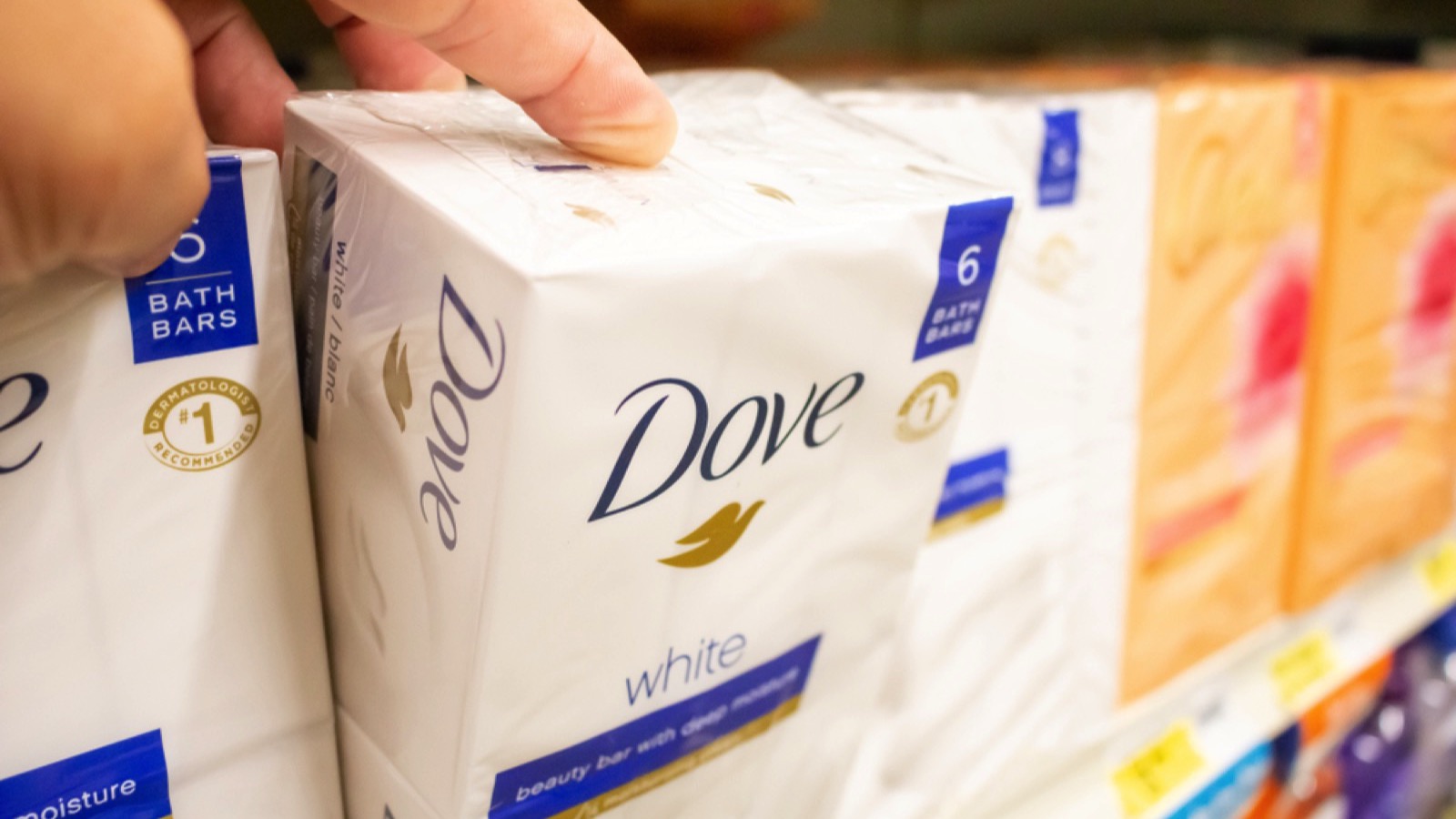
Bars of soap are more cost-effective than the bottled, liquid variety, and they don’t require unnecessary plastic packaging. Try as you might. You’ll never get the last residue from the bottle, and diluting it will only weaken the product’s effectiveness.
Soap bars win in every category. They’re cheaper, they last longer, and the wrapper means there’s one less plastic item in your home.
9. Adopt the “One in One Out” Method

Even the most frugal consumers find it hard to resist all temptation. That’s especially true regarding clothes and the opportunity to freshen up our closets. Guilt may follow an impulse buy, but you can offset your purchase using the “one in, one out” system. When you buy a new item of clothing, use it as an opportunity to pass on something you no longer wear. Donate it to a thrift store or hand it to a family member.
10. Pickling and Preserving

It’s easy to say, “Don’t waste food,” but those messages are often short on practical tips. Of course, you should consider cooking meals with leftovers when you can while freezing make-ahead meals.
Pickling and preserving food is another good option. These techniques can make virtually any food go further, and the results are delicious.
11. Buy in Bulk

Bulk discount stores promise significant savings and deliver on them, too. The issue for many shoppers is the higher initial outlay in membership fees, but products that last for extended periods will quickly pay for themselves.
Storage can be another problem, so stocking up on mason jars and cloth sacks can be a good idea. While there is the opening expense, your household food bill will reduce over time when you buy in bulk.
12. Plan Your Meals

Meal planning helps eliminate the guesswork in your weekly shopping. It also means you’re less likely to buy groceries and other items you don’t need when you’re out at the store.
Planning is an excellent weapon in the battle against waste. Before making a list, establish which ingredients you have in the kitchen cabinets.
13. Always Take a Shopping List
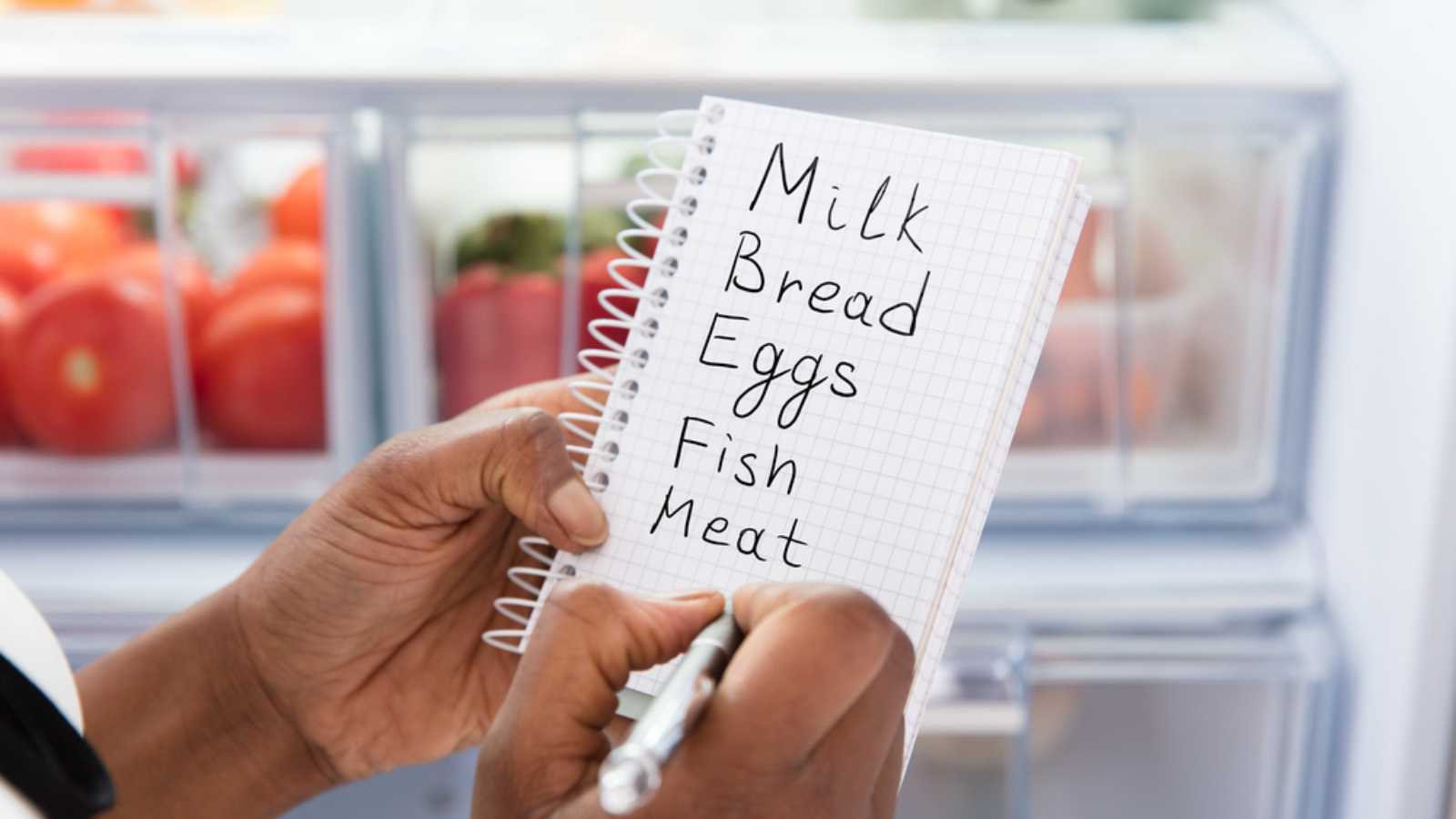
Another common mistake shoppers make is not taking their shopping list with them. When they can’t remember what they are supposed to buy, they forget items and make unnecessary purchases.
A simple solution to this problem is to take your shopping list with you. If you’re likely to forget to bring a written list, write down your requirements in the notes section of your smartphone.
14. Reusable Grocery Bags

Grocery stores did their part for the planet when they introduced reusable bags. The problem is that we often need to remember these when we leave the house; many hoard surplus bags somewhere in the home.
A good tip is to place some bags in your car and your backpack or coat pocket. It will help you remember and avoid the need for another unnecessary expense.
15. Switch off the Lights
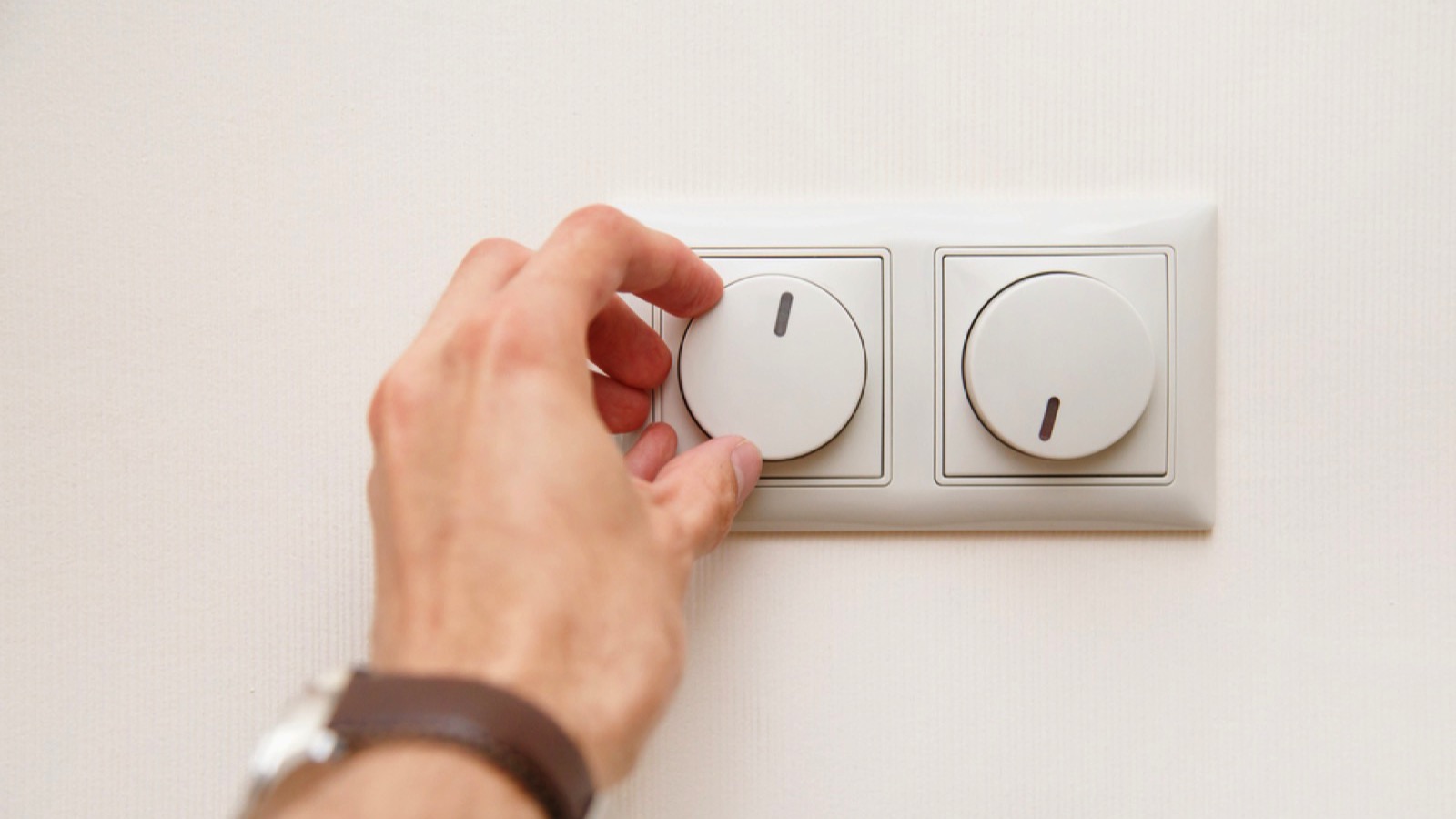
It’s an easy process, but many forget to turn off the lights when leaving a room. It’s a slippery slope from that elementary mistake to switching on the television when nobody watches it.
Turning off lights and appliances meets our two main goals: We save money on our utility bills while saving energy, and it also helps give the environment a break.
16. Stop Buying “Stuff”

It may be a message that we all need to hear. It’s easy to purchase consumables online and expect a delivery within 24 hours. The speed and efficiency of that service lead to more impulse buys, and there’s a danger of buying more stuff you don’t need.
Drivers are on the road to deliver your products, adding more miles and pollution to the planet. It’s tough, but try saying no to things you neither want nor need.
10 Practical Ways to Be Frugal Without Being Cheap

You can be frugal without being cheap by understanding the difference between price and value. A cheap person cares only about getting the lowest price. Frugal people look at price as one factor that determines value.
15 Bizarre Items That People Bought and Sold on eBay

We all have an eBay account, but who still uses the platform? Traditionally, eBay was the go-to website to sell and buy used items. Now, there are many marketplaces for second-hand items, but eBay is the place where weirdness abounds. What’s the weirdest thing you’ve seen on eBay? I can bet it wasn’t as weird as some of these items.