
Disclosure: This post may contain affiliate links, meaning if you decide to make a purchase via my links, I may earn a commission at no additional cost to you. See my disclosure for more info.
Money was tight during the Great Depression, much like today, but for different reasons. Gas was only 10 cents a gallon during this time, but jobs were very hard to find. Millions of families had to learn to make their money go as far as possible or do without because of lack of work.
Today, you can find help-wanted signs almost anywhere. Some businesses have even gone under because of a lack of staff. It’s not the lack of work that’s hurting the family budget. It’s inflation. Gas, groceries, services, and everything else continuously increase in price.
However, some ways our grandparents kept afloat can help us stay afloat. Here are 15 depression-era money hacks that still work today.
Make It at Home

Even things like bread, milk, and cheese are expensive at the grocery store. But the smell of freshly baked bread is wonderful, and pulling a warm, freshly baked loaf out of the oven is satisfying. When you can, make things yourself. Break out the cookbooks and make dinner from scratch. It’ll save money on groceries and on eating out.
Grow Your Own
During the great depression, many families had a garden in their backyard. Today, you can save a lot of money growing your own veggies. Things like tomatoes, squash, carrots, and potatoes are easy to grow. You can also grow herbs on your kitchen windowsill. Learn to dry or can your food so you waste nothing.
Forage

I’m not saying start dumpster diving. But, if you live in the country, you can go on walks and forage for things like wild onions and blackberries and then use them in your recipes. Organize a family foraging trip if you don’t live in the country. Everyone will have fun, and you’ll save some money.
Eat Less Meat

Meat is expensive, so it makes sense to cut back on how much you buy, which will save money on your grocery bill. You can replace meat with things like lentils or beans or just have a veggie meal once or twice a week.
Pack Lunches

Eating out for lunch every day is incredibly expensive. Save some money by packing a lunch and taking it to work with you. You can put plenty of tasty, healthy things in a lunchbox.
Buy in Bulk (When You Can)
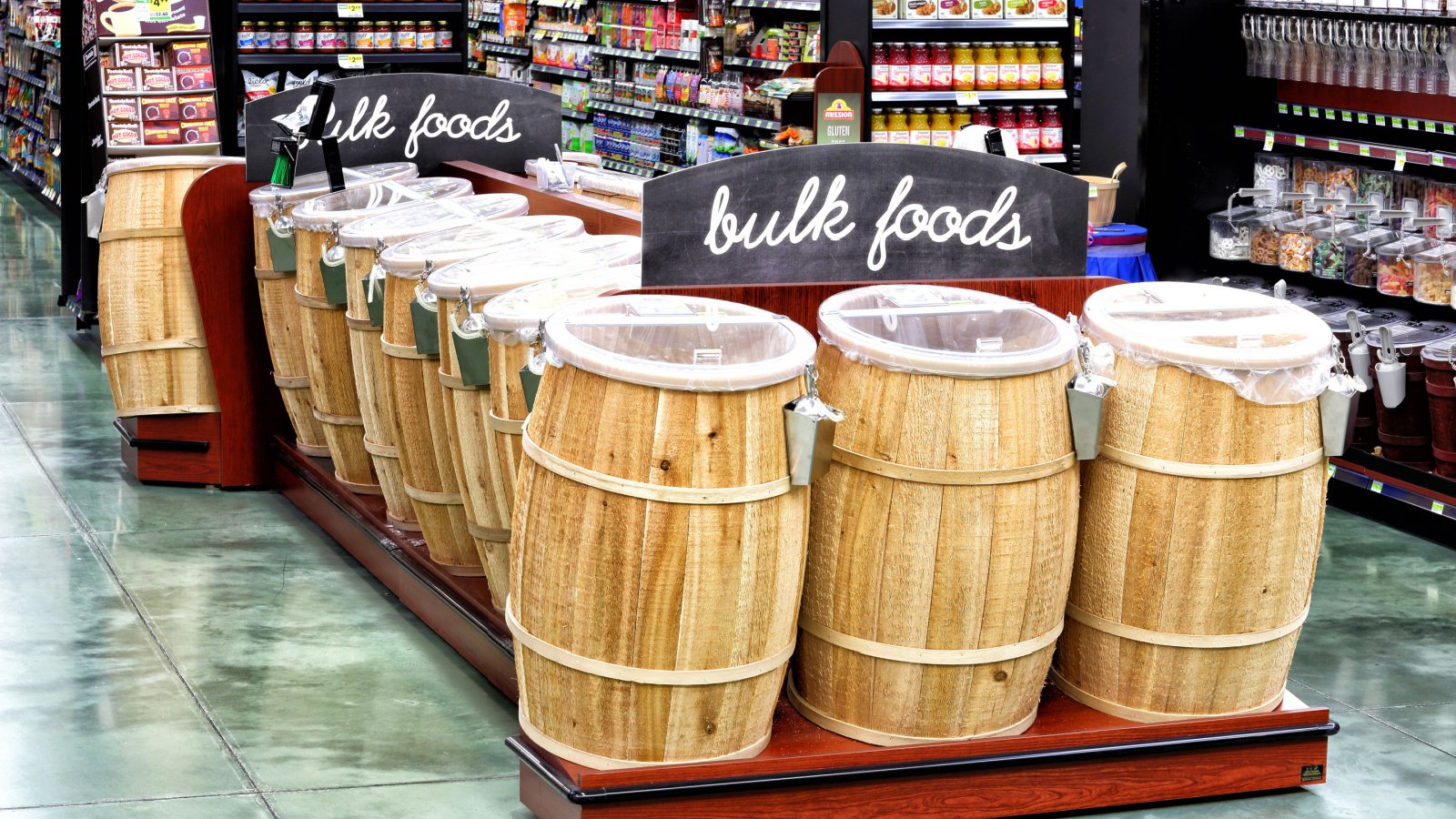
There’s no denying that it’s cheaper to buy food in bulk. You can save on things like bulk lentils, oats, beans, rice, and so much more. But, be mindful to only buy as much as you can use before it goes bad. You won’t save any money if you throw it all away.
Use It Until It’s Gone

Throw nothing away until you’ve used it all up. Roll your toothpaste tube until nothing comes out. Scrape the sides of the peanut butter jar. You can also water down things like cleaning supplies and juice to make them last longer.
Fix Instead of Replace

In the 1930s, clothes were fixed or remade for younger family members, socks were darned, and shoes were repaired. The next time something wears out, see if you can fix it rather than replace it. YouTube is a great place to look for tutorials on almost anything, and you’ll be surprised at how much money you can save.
Entertain Your Family at Home

Going out to the movies or bowling is fun but expensive. Fortunately, you can do plenty of things at home to entertain yourself and your family. Play a board game like Monopoly or Sorry, or enjoy a game of cards. For something outside the home, a family picnic is a budget-friendly choice, and you can get active with games like Blind Man’s Bluff and Red Rover.
Do It Yourself

If you’re crafty, have a go at sewing your own clothes or knitting some socks or sweaters. You can even make your own cleaning products that will probably work and smell better than store-bought options. Decorate your home with things you own already or can repurpose rather than buying expensive Knick-knacks.
Trade With Neighbors and Friends

In the 30s, people worked together to help make ends meet. Today, we can do the same. Carpool the kids to school and trips into town to save gas. Trade the extra veggies you grew in your garden with a neighbor. You can even trade things like lawn mowing for an oil change.
Use Cloth Diapers

Disposable diapers are crazy expensive. So, to save money, consider using cloth diapers. You’ll save a lot of money even with having to launder them. If your baby goes to daycare, you’ll still have to use disposables sometimes, but consider cloth diapers during the evenings and on weekends.
Repurpose and Reuse

Save things like bread bags, containers, and shoeboxes to repurpose instead of buying zip-top baggies and storage containers. Old clothes and sheets can be repurposed into rags or even decor. Before throwing anything out, inspect it and decide whether you can reuse or repurpose it.
Line Dry Bath Towels

Bath towels can take a long time to dry in the dryer and that eats through a lot of energy. Save some money on your utility bills and hang your bath towels outside to dry. They’ll dry more quickly and smell wonderful.
Wear Layers in the Winter

When cold weather hits, avoid cranking up the heat and the utility bills by wearing layers. Warm pants, a t-shirt, and a snuggly fleece jacket will keep you comfortable and the heating bill down.
15 Smart Tips for Living Well on a Strict Budget

In today’s economy, strict budgeting has become a reality for many, sometimes involuntarily. With fast fashion and rapidly changing trends, temptations are on the rise. Mastering a budgeting mindset can empower a person to manage their finances responsibly. It’s a step towards achieving self-fulfillment while leaving room for some fun.
The 41 Biggest Wastes of Money
If you’re looking for ways to earn more money to put toward your goals, start by examining your spending habits. By tracking your spending and seeing where every dollar goes, you’ll likely find several instances of spending money you don’t have to. It could be little things that add up or recurring monthly expenses that are an utter waste of money.
Once you eliminate your bad spending habits, that money can go toward your emergency fund, paying off debt, or other essential things. Here are the 41 biggest wastes of money to look out for.
- Read More: The 41 Biggest Wastes of Money