
Disclosure: This post may contain affiliate links, meaning if you decide to make a purchase via my links, I may earn a commission at no additional cost to you. See my disclosure for more info.
Are you ready to manage your finances and save some serious money in 2024? I don’t blame you. I feel like I need to take out a small loan whenever I go grocery shopping. Fortunately, there are many easy ways to cut back on Everyday Expenses and save a buck these days.
Minor changes like these can have a significant impact on your finances.
1. Track Your Expenses

The first step in reducing unnecessary spending is knowing how much you spend. An outline of your monthly expenses can help you see areas where you can trim the money you throw away.
After you have an accurate spending picture, it is time to set a budget. Hundreds of budgeting apps are available for download to keep you on track and control your spending habits.
2. Cancel Unneeded Subscriptions

One of the first spending habits that becomes easily avoidable is subscriptions that are no longer used and can be canceled.
Maybe you signed up for a streaming service to watch one show and forgot to cancel it. The number of subscription plans is endless. If you see any recurring payments, consider their importance and nix the ones you can do without.
3. Minimize Takeout Meals

People are usually surprised to find out how quickly eating out a few times a month can add up. By the time you add up the meal, drinks, and tip, you could have had a week’s worth of meals at home.
I’m not saying to cut out restaurant visits altogether. From time to time, it’s a treat to have a meal in a lovely establishment. I suggest saving them for special occasions or a nice reward at the end of a stressful week.
4. Buy in Bulk

Bulk stores like Costco or Sam’s Club are great resources for living a frugal lifestyle. Most of the products sold in these stores are cheaper than your local grocery store. You can save a lot of money by purchasing in larger quantities. Take advantage of the ability to freeze excess meat, fruits, and vegetables.
You can also take advantage of the food courts. Have you ever had a Costco hot dog or slice of pizza? You’re missing out if you haven’t.
5. Shop Discount Stores

Fun fact: stores like The Dollar Tree aren’t just for buying cheap junk. I used to think they were until I looked at the deals they offer.
I make weekly trips to these discount stores for household items like paper towels, toilet paper, trash bags, cleaning supplies, hand soap, and toothpaste. Their name-brand items are much cheaper than those in popular stores like Target.
6. Look for Entertainment Discounts

Looking for a low-cost activity for you and the family to do on their days off? Many local museums and state parks offer free entry on certain days of the week. Take advantage of these free or discounted rates for a fun-filled day with minimal spending.
You can also check for discounts if you’re an active military member, first responder, senior, minor, or student. It never hurts to ask if discounts are available.
7. Stop Online Shopping

Buying unnecessary items when browsing online stores can be much more tempting. With a few clicks, you can have a shopping cart full of things you might not have considered otherwise.
An easy trick to avoid unwanted online purchases is to delete all your credit cards from the sites. That way, you must consider your purchase when they ask for your payment method. Do you want to go get your credit card when you’re comfortable on the couch?
8. Delay Purchase

If you’re eyeing a purchase and are debating whether you want to pull the trigger, experts believe it’s best to stop and think about it. Delaying the purchase for as long as 30 days can help you reflect on whether you want to spend the money on said purchase.
In this delayed window, you could decide that the purchase was silly and nonessential, or you could have found it for a cheaper price. Either way, it proves the wait was worthwhile.
9. Lower Car Costs

There are multiple ways to use your car to lower your monthly expenses. First, investigate re-financing your auto loan. You could benefit from a lower interest rate or stretch out your loan another year to lower your monthly payment. Bear in mind this also increases the interest you will pay.
Second, shop around for a better insurance rate. If it’s been a few years since you last reviewed your premium, you could be missing out on discounts. Finally, you can opt to drive less. This will save money on gas and future car maintenance. If you live in a city where you can bike or walk, this is an easy money-saving idea.
10. Bundle Services

If you’re not bundling your cable and internet, you could spend much more than you should. Average bundling deals could save you about $40 to $60 monthly. That adds up over a year.
You could also take it a step further and cut out cable altogether. Streaming services can cost as little as $10 monthly, so replace that hefty cable bill.
11. Review Your Cell Phone Plan

When was the last time you reviewed your cell phone bill? Like auto insurance, you could miss out on new discounts or promotions. Consider lowering your data usage, removing insurance, or changing plans altogether.
In addition to updating your plan, you can switch to autopay or wireless billing. These options will sometimes apply a discount to your monthly statement.
12. Lower Electricity Bill
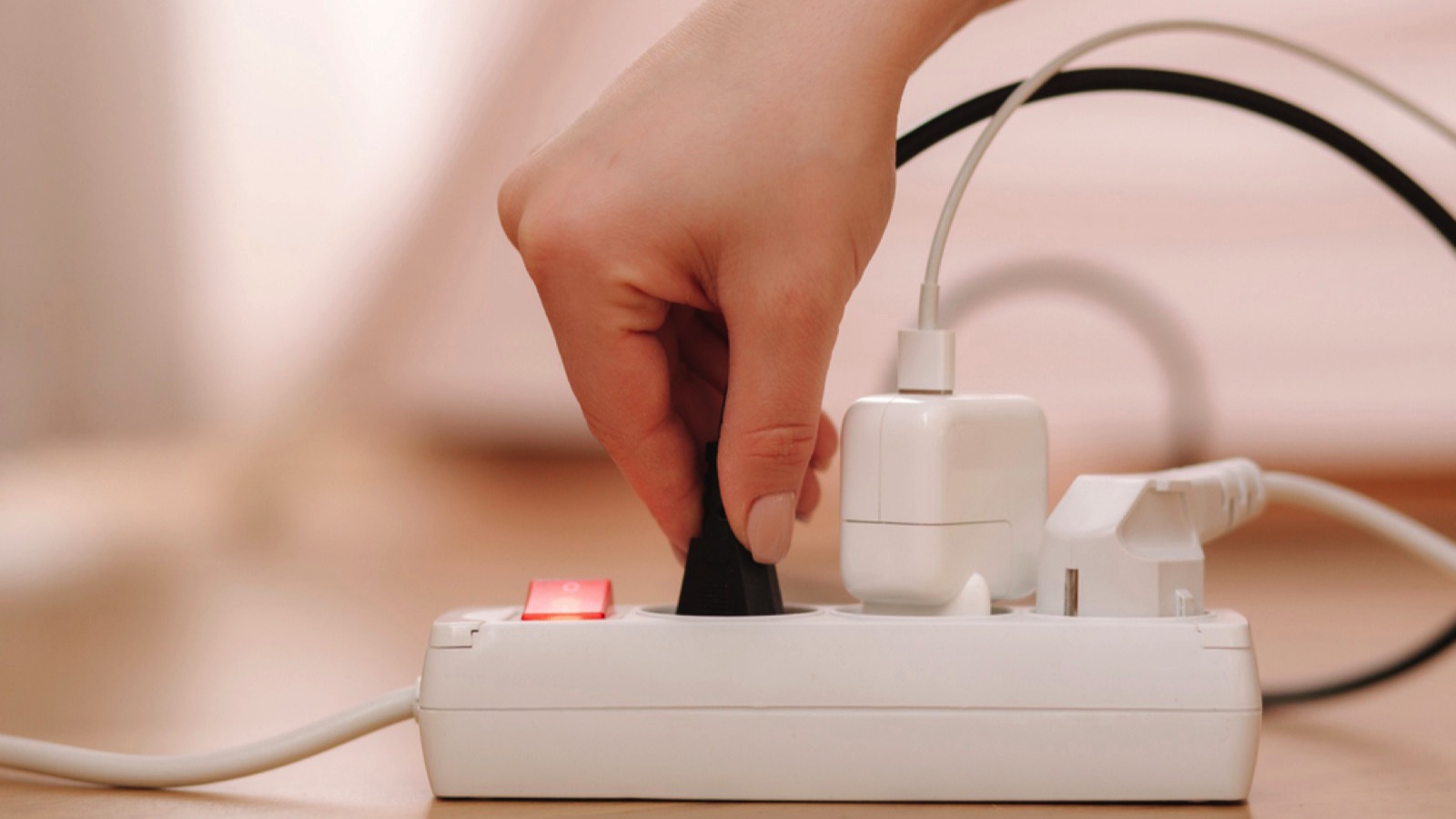
There are many ways your home costs you an arm and a leg in terms of electricity costs. Look into ways to improve the efficiency of your home when it comes to heating and cooling.
Some simple tricks like insulating leaks, using power strips, smart thermostats, and energy-efficient appliances are easy ways to cut monthly costs. Easy home maintenance can equate to significant savings over months and years.
13. Automate Savings

One of the easiest ways to save money each month is to do it without knowing about it. What do I mean? Set up your direct deposit to put a percentage of your paycheck directly into your savings account. You saved money without even seeing it.
Eventually, you’ll get used to the smaller checks and save money without actively trying. You might have a few extra thousand dollars at the end of the year.
14. Use Reward Cards

Suppose you are responsible and committed to paying off the balance at the end of the month. In that case, a rewards card for everyday purchases will return money in rewards points. Many cards allow you to choose how much you earn back in different categories. Find your best fit, and use this card for daily purchases.
It’s important to note that paying off the balance each month is crucial. Rising debt can lead to high interest rates, costing you more in the long run.
15. Pay off Debt

Speaking of credit cards, you need to focus on paying off the balance if you have high-interest debt. Paying off smaller amounts of debt will save you a lot of money at the end of the year.
The money you have been saving from the tips in this article should be going to your debt. Lowering your loans will make it easier to start saving, and the goal is to grow your savings.
16. Use Cash Only
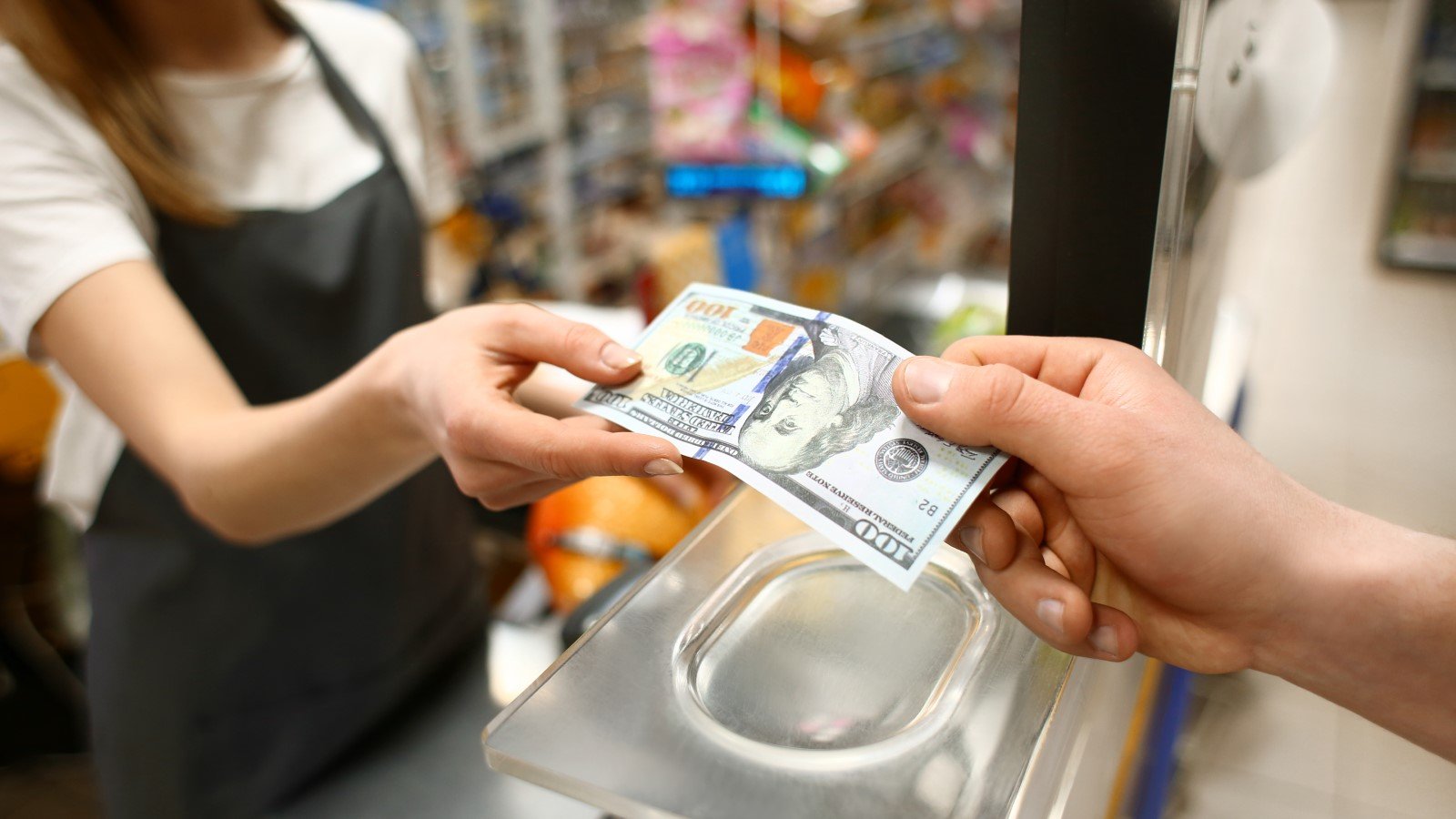
When was the last time you took money out of the ATM? With the convenience of debit cards, Apple Pay, and Google Wallet, it is becoming rare to carry cash. Unfortunately, paying with these methods can lead to excess spending.
If you have $100 in your wallet, tracking your spending is more straightforward than electronic purchases. That’s why I still carry cash. I know exactly how much I have, and it helps me think twice about my purchases before I buy them. The bonus to carrying cash is you get the change back. Putting away change is like a secret savings account that can add up and provide a small payday at the end of the year.
30 Tricks to Save on the Electricity Bill No One Talks About

Utility bills are inevitable, but you can reduce your consumption and spending. Here are thirty uncommon tips to help you be more energy-conscious, benefiting the planet, your wallet, or both.
10 Practical Ways to Be Frugal Without Being Cheap

You can be frugal without being cheap by understanding the difference between price and value. A cheap person cares only about getting the lowest price. Frugal people look at price as one factor that determines value.