
Disclosure: This post may contain affiliate links, meaning if you decide to make a purchase via my links, I may earn a commission at no additional cost to you. See my disclosure for more info.
Groceries take up a large chunk of your monthly budget. You have to eat, and you have to feed your family. But inflation, supply chain issues, and labor shortages are sending grocery prices through the roof. So, what can you do to keep your food budget down when you head to the grocery shop?
The good news is that there are probably cheap grocery store options near you where you can find budget-friendly prices on the food you buy weekly. Here is a list of the cheapest grocery stores
Aldi
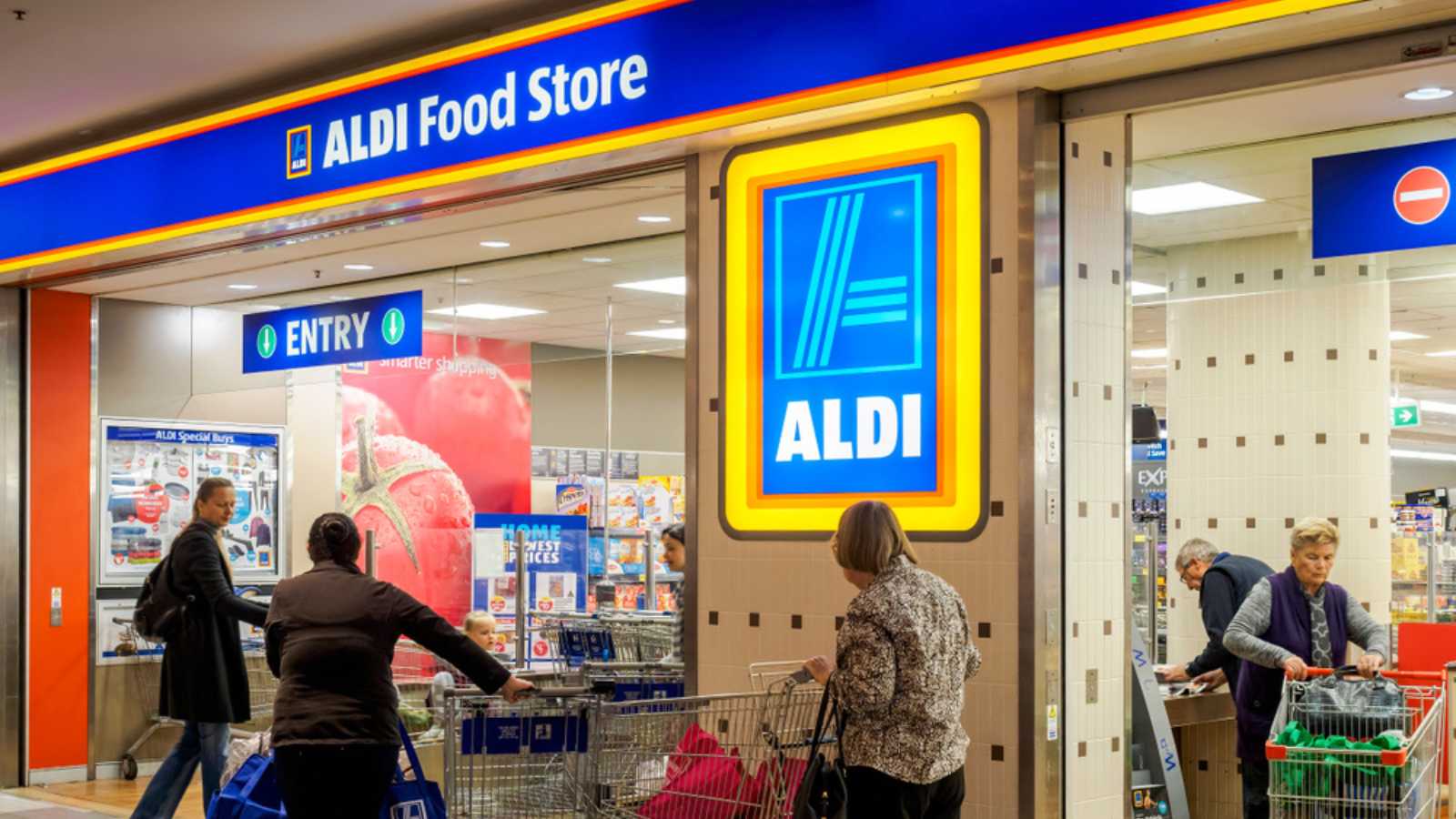
Aldi is a no-frills market where you rent a shopping cart for a quarter, bring your own bags, and bag your own groceries. According to the Aldi website, over 90% of the items on their shelves are brands exclusive to Aldi. Their extreme cost-cutting measures allow them to offer some of the lowest prices on food you can find.
The best deals include bread, yogurt, fresh produce, cereal, and canned goods. You can also find bargains on organic products, vegan items, and gluten-free foods.
Pro tip: Aldi runs meat specials on Wednesdays. If meat takes up a high percentage of your grocery budget, saving money on meat will significantly cut your grocery spending. The best deals sell out fast, so hit Aldi early on a Wednesday.
Market Basket

Market Basket is a discount grocery chain with 90 stores throughout New England. All stores carry the same products, the company has no debt and does its own distribution. Turnover is low thanks to profit sharing. This operating efficiency allows Market Basket to offer low everyday prices to their customers.
You’ll find quality fruits and vegetables at good prices, and their store brands are an outstanding value.
Winco

Winco is another no-frills chain with 138 employee-owned stores throughout the West and parts of the South. The company operates warehouse-style stores with hundreds of items in the bulk food section.
They purchase many of their products directly from farms and manufacturers to cut out the middleman. They don’t spend much on advertising or mail weekly flyers to customers, keeping costs down.
Winco’s bulk section sells pantry staples and other items by the pound, including coffee, pasta, beans, sweeteners, and grains. You can save by buying in bulk. You can also save and cut food waste by buying small amounts or only what you need from the bulk bins.
Food 4 Less

Food 4 Less is part of the Kroger family of supermarkets and another warehouse-style grocery store where customers bag their own purchases. The chain lives up to the promise of its name with discount prices and weekly specials. Many of the same perks that Kroger offers are available at Food 4 less, such as:
- Kroger brand products
- A free rewards membership program with exclusive discounts
- Digital coupons Fuel points
- Delivery through Instacart
Food 4 Less has over 100 locations in California, Illinois, and Indiana.
Lidl

Like their competitor Aldi, Lidl is a German company selling mostly private-label products. They carry some familiar products from national brands, but the availability of big-brand items is limited and inconsistent.
Lidl stores have high-quality produce, a fresh bakery right by the front door, international groceries, and a wide selection of wine at low prices. Products are sold out of shipping boxes, so there’s a definite minimalist feel. Bring your own bags, or you’ll have to pay for them.
Costco

Costco is a members-only warehouse club where you can save money on groceries by buying in bulk. Costco also offers high-quality store-brand products at low prices under the Kirkland label. Costco has an exclusive arrangement with Visa, so you can’t use your Mastercard, American Express, or Discover credit cards there.
Our local Costco usually has the best prices for staples like milk, eggs, cereal, and some canned goods like tuna. Between bulk prices on items you buy regularly and extras like below-average prices on gas, household items, travel, and electronics, a Costco membership might be well worth the annual fee to you.
If you’re buying perishable foods or other bulk items, be sure you can use it all before it goes bad and you have enough storage space.
Sam’s Club

Sam’s Club is Walmart’s answer to Costco. Membership is required to shop there, and most things are sold in bulk off pallets.
Unlike Walmart, Sam’s Club does not sell a little bit of everything. It’s mostly food plus household items you’d see at any supermarket, like toilet paper, cleaning products, and laundry supplies.
Unlike Costco, Sam’s Club takes all credit cards and Walmart gift cards for payment. Membership fees are also slightly lower at Sam’s Club. Sam’s Club has a Scan and Go app you can use to scan everything in your cart and get out of there faster.
Trader Joe’s

Trader Joe’s is another grocery chain with dedicated fans who rave about the quality of the products they sell. TJs stocks mostly private-label products in stores that are smaller than most of their competitors.
They don’t have a staffed bakery, meat counter, or deli. There is no self-checkout, delivery, or curbside pickup available. Trader Joe’s doesn’t run sales or offer coupons because they sell their stuff at the lowest price possible.
Trader Joe’s is known for its unique selection of products at low prices, their quirky decor, and dirt-cheap wine.
Walmart

It might surprise you that groceries account for over half of Walmart’s annual sales. That makes Walmart the largest food retailer in the United States.
Check Walmart prices first if you have to have name-brand products. Walmart’s Great Value house brand might have the lowest price you can find on canned goods, frozen foods, baking supplies, and household goods such as paper products and trash bags.
Skip the produce section, though. Consumer Reports ranked Walmart toward the bottom for produce quality in its evaluation of supermarket chains.
If you go grocery shopping at Walmart, it’s easy to wander around the rest of the store and overspend. Don’t blow up your budget with impulse buys and non-food items you found in other areas of the store.
H-E-B

While H-E-B doesn’t stand for “Here, Everything’s Better” (H.E.B. are the initials of the founder’s son), many Texans agree with the sentiment.
The company is privately owned, so it’s not accountable to Wall Street. They stock local food, Texas-themed products, and high-quality store-brand items, all at bargain prices.
They don’t play games, like putting the sale items at the back of the store and the most expensive products at eye level. Bright yellow coupons hanging throughout the store highlight the best deals and free items.
Unfortunately, this wildly popular chain’s only stores outside of Texas are in northern Mexico.
Amazon

In general, food at Amazon is affordable, but you may find better deals locally. However, there are bargains to be had along with the convenience of shopping at Amazon, especially if you have a Prime membership. Here are some ways to save:
- Save up to 15% with Subscribe and Save. If you subscribe to an item, you can get scheduled deliveries of products you use regularly. With the discount, prices are on par with or lower than Walmart on some household items. You can change or cancel your subscription at any time.
- Browse Amazon’s coupons page. Many people don’t know this, but Amazon has a coupons page with savings typically ranging from 10 to 20 percent off tons of products, including groceries and household items. There’s even a page for subscribing and saving coupons to lower prices even more
- Review the add-on items. If you’re spending more than $25 at Amazon, you can purchase add-on items cheaply. These items are usually smaller and lower-priced, so Amazon won’t ship them unless you’re spending at least $25. Some add-on items are marked down significantly.
Use your Amazon Prime Visa card. You’ll get 5% back on your Amazon purchases if you have an Amazon Prime credit card. You can stack that with Subscribe and Save discounts and coupons to maximize your savings. Pay the card off every month to avoid interest.
The Purpose of a Budget and 11 Reasons Why You Need One

The primary purpose of a budget is to track your income and expenses. A budget also ensures your bills are paid on time, helps you plan for the future, helps identify any bad spending habits or areas where you could reduce your spending, and ensures that your spending reflects your priorities. By creating a budget and sticking to it, you can ensure your needs are met, your bills are paid on time, you get out of debt, and you meet your financial goals.
13 Frugal Habits You Have Never Heard of, but You Should Know

Are you ready to give your savings account a healthy boost? In today’s world, being frugal isn’t just about clipping coupons or skipping that morning latte. It’s about discovering creative, lesser-known strategies that help you keep more of your hard-earned money. We’ll unveil 13 frugal habits you’ve probably never heard of but should know. These aren’t your run-of-the-mill money-saving tips. These are game-changers! These habits will help you save more, spend less, and ultimately achieve financial freedom.