Disclosure: This post may contain affiliate links, meaning if you decide to make a purchase via my links, I may earn a commission at no additional cost to you. See my disclosure for more info.
Write a Check to yourself is a powerful mindset and manifestation technique popularized by motivational figures like Jim Carrey. The idea is simple yet profound: write a physical check to yourself for a specific amount of money and a future date, as a symbol of your goals and belief in your success. This practice blends visualization, intention-setting, and the law of attraction to help you stay focused on your dreams. It’s not just about the money—it’s about building confidence, clarity, and a concrete vision of the life you want to create.
Writing Yourself a Check
People have been using personal checks less since ATMs, online banking, credit cards, and debit cards have become more popular.
You can still use personal checks to pay bills or buy goods and services. You can also get cash out of your checking account or move money from one of your bank accounts to another by writing a check to yourself.
Why Would Someone Write a Check to Themselves?
People write checks to themselves to move money between bank accounts or to get spending cash. For example:
- A business owner might write a check to themself to deposit in their personal account.
- You might write a check to yourself to move money from a joint account to your personal bank account.
- You can write a check to yourself and cash it at your local bank for spending money.
Writing yourself a check is an option for withdrawing cash or transferring funds between banks. If you’re interested in writing a check to yourself, here’s how you do it:
How to Write a Check to Yourself for Cash
Writing a check to yourself is the same as writing a check to any other payee. Get a blank check then put your name on the “Pay to” line, fill in the date in the top right corner, enter the amount then sign it.
You can also make the check payable to “Cash,” but additional risks are involved, making it a bad idea. Anyone with a check made out to “Cash” can deposit or cash it. If your check gets lost or stolen, you could be out the amount of the check.
Cashing the Check
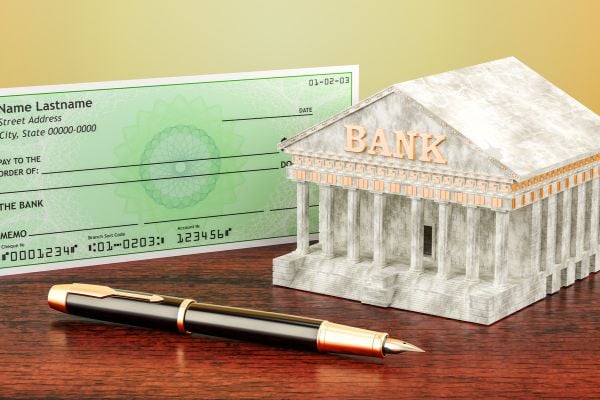
You can write a check and cash it instead of depositing it. As long as you have sufficient funds in your account to cash it, you can write a check to yourself, endorse it, and get cash. If you write a check to yourself and try cashing it without having the funds, you could face criminal charges.
Once you write a check to yourself to get cash, endorse the check when you’re ready to cash it. Sign your name and print your account number on the back. The last step is providing the check and your ID to the teller at your bank or credit union.
If you can’t make it to your bank, you might also be able to cash a personal check at grocery stores, check cashing places, or other brick-and-mortar banks. You may pay a fee when cashing a check with third-party services or outside of your regular bank or credit union.
Other Ways To Get Cash
There are faster and easier ways to get cash than writing a check to yourself. If you need a little spending money:
- Use your debit card to withdraw cash at an ATM.
- Pay for your purchases with a debit or credit card. Both offer better consumer protection features than cash or checks.
- Use your debit card to buy something and get cash back at the register.
- Make a withdrawal in person at your bank or credit union.
- Get cash using your bank’s smartphone app and an ATM if your bank offers cardless ATMs.
Before ATMs and debit cards became so widespread, carrying blank checks around and writing an actual paper check to get cash was pretty typical. While making a check out to yourself is still an option, it’s not the quickest or simplest method for getting cash.
Depositing the Check

If you don’t need cash right away, or you need to move your money from one account to another, you can deposit it. You can write a check to yourself for mobile deposit, an in-person deposit, or any other means of deposit.
Deposit the check made out to yourself by signing the back in the endorsement area. You can also add “For deposit only to account number [your account number]” below your signature so the check can only be deposited in your account. Once you endorse the check, you have multiple options for depositing it, including:
- Snapping pictures of the front and back of the check, then depositing using your phone and your bank’s mobile app
- Depositing the check via an ATM
- Visiting your bank in person and making a deposit with a teller
- Mailing the check to your bank
Other Ways to Move Money
Depositing a check made out to yourself provides a way to move money between banks. While it can be convenient, it’s not the fastest option. You might have to wait several business days before all your money is available.
If you want to move money from one account to another, you might be able to move the money online, through your bank’s mobile app, or by calling.
There are multiple ways to move money from one financial institution to another quickly without writing checks. Here are some common methods:
Wire Transfers

A wire transfer is a form of electronic payment used for transferring funds through networks such as SWIFT, the Federal Reserve Wire Network, or the Clearing House Interbank Payments System. You can wire money from bank to bank without going to the bank with cash.
Wire transfers are fast and secure but not free. Wire transfer fees run about $25 to $30 for domestic transfers. If you don’t mind the added expense, a wire transfer can be sent immediately.
ACH Transfers
An ACH transfer is a bank-to-bank money transfer processed electronically through the Automated Clearing House network of banks. ACH transfers are fast and convenient. They are not as fast as wire transfers but are typically free.
Money Transfer Apps
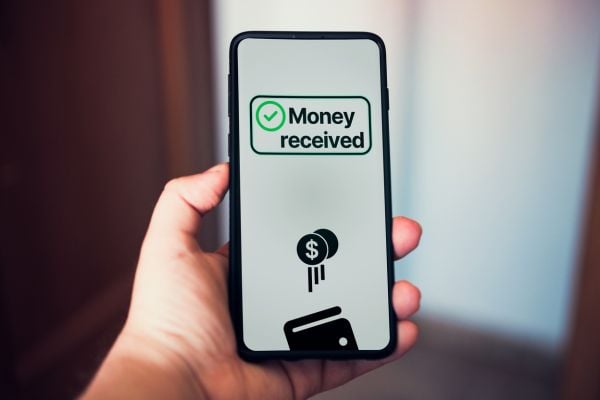
You can use several user-friendly apps to send money from your mobile device using your traditional bank account without writing a check or directly involving your bank. You can send money to yourself using an email address or U.S. mobile number.
Note that a mobile phone number or email address can only be enrolled with one financial institution at a time. You will need an additional email account for each linked bank account.
Many of these apps are faster than the bank transfer service offered by your bank. You can often access your money in minutes, though there may be transaction fees involved for instant transfers. Cash transfer apps have their downsides, though.
Once you set up your account, the initial verification process could take a few days. There could also be a daily transaction limit or a limit on how much you can send in a single transaction. Your bank may have fewer hoops to jump through and lower fees for larger transfers.
Frequently Asked Questions (FAQ)
Here are some answers to common questions about writing checks to yourself.
Can you write a check to yourself with no money in your account?
A check is no good if you have no money in your account. Writing a check to yourself with insufficient funds in your checking account opens you up to bouncing the check, incurring fees from your bank, and legal trouble. You could also face late charges and bad check fees depending on the payee.
Writing checks for amounts over the current available balance in your account is technically considered check kiting, which is a form of check fraud, regardless of whether you have a deposit on the way.
Where can I cash a check written to myself?
Your local bank or credit union is the best place to cash a check. Cashing a check written to yourself at your local bank gives you instant access to your money. Your local bank will also likely cash the check free.
Can I write a large check to myself?
You can write a check to yourself for any amount, as long as the money is available in your bank account.
Can you legally write yourself a check?
Writing a check to yourself is not illegal. When you write yourself a check, you’re moving money from one bank to another. For example, you might write yourself a check to fund an online bank account, investment account, IRA, or to move money from a joint bank account to an individual account.
Can you write a check to yourself and cash it?
You can cash a check written to yourself as long as you have sufficient funds in your checking account.
Is postdating a check illegal?
It is legal to postdate a check, but it is also legal for a bank to cash the check as soon as it is received. The recipient of a post-dated check is under no legal obligation to wait to deposit the check until the date written on the check.
Can I write a check to myself to deposit in another bank?
It is perfectly legal to write a check to yourself from your checking account and deposit it in your account at another bank. You can write the check as you usually would with yourself as the payee. You can then deposit the check into any of your other accounts that permit check deposits.
Can you cash a check at an ATM?
You can cash a check at an ATM by depositing the check and withdrawing cash. There might be a limit on the amount of money you can withdraw based on your balance before the deposit or an amount determined by your bank’s transaction policy.