Disclosure: This post may contain affiliate links, meaning if you decide to make a purchase via my links, I may earn a commission at no additional cost to you. See my disclosure for more info.
No matter your age or economic status, everyone feels the effect of inflation on just about everything we buy. For many, the increased costs are extreme. For others, it may just be an annoyance. No matter your financial situation, no one wants to pay higher prices for the things they use daily.
One of the places hardest hit is our home heating bills.
Gas is a clean energy that many homes prefer for their heating systems, water heating, and food preparation. In general, it is usually cheaper than electricity, but even so, the cost of gas in many homes is a common concern. So, it is worth following some tips to save on your gas bill, which, in turn, helps the environment.
Tips to Save on Heating and Reduce the Gas Bill

Homes with heating installed using natural gas or another type of gas usually see their bills increase considerably when winter arrives. For this reason, it is essential to know how to manage your home to reduce gas consumption.
Install a Thermostat That Regulates the Temperature

If you don’t have one, it may be time to invest in a digital or smart thermostat. In addition to helping you maintain a comfortable temperature in your home, it will help you save on gas bills by reducing the number of times you have to adjust the thermostat. Keeping a more consistent ambient temperature will reduce the number of times your heater runs, thus reducing gas use.
Keep the Thermostat at a Medium Temperature

Adjust the temperature of your home relative to the seasons. Experts recommended setting a temperature of 66 to 71 degrees Fahrenheit during winter. This temperature is high enough to stay comfortable in your home with a light sweater. So before you turn the heat up, add another layer and save on your bill.
Take Advantage of Sunlight

Sunlight is free! So even if you live in a cold climate, if you are lucky enough to enjoy the sun during the day, the best thing you can do is open your curtains. Letting the sun’s rays warm your home is a great way to add a few degrees of heat for free! This tip is especially beneficial if you have a south-facing home in the northern hemisphere, as you will be positioned optimally for sun exposure.
Lower the Thermostat at Night

Another foolproof trick to save on heating costs is to lower the thermostat at night or even turn the system off entirely. With the help of some cozy bedding, you may not notice the cool temperature until it’s time to get up. If you have your smart thermostat installed, you could program it to begin warming the house just before you wake up so you don’t notice the cold.
Use Bed Warmers

Yes, like the grannies used to do. A good water heater or electric blanket that heats the bed just before going to sleep will allow you to enjoy warmth all night without using your home heating system. Remember to remove any heating devices before bed to avoid accidents.
Use Your Vents

You likely use some rooms of your home more frequently than others. Take a look at all the air vents distributed throughout your home. Close any vents in spaces rarely used so you can concentrate heat in the areas where you spend the most time. By reducing the amount of space you’re heating, your energy system can run more efficiently and use fewer resources.
Install Insulated Doors and Windows

If you are considering renovating your house, consider investing in good insulating windows that do not allow the passage of cold air in winter. An excellent insulating door at the entrance of your home is also essential for regulating temperature. The amount of glass and materials used to manufacture our doors and windows also plays a big part in their energy efficiency.
Use Insulation Systems in Doors and Windows

Did you know that 5% of heat escapes through the cracks in doors and windows? To prevent this heat from escaping, use thick fabric curtains on the windows and cover the lower cracks of the doors with insulating weather stripping.
Purge the Radiators

If you don’t drain your radiators every year as recommended, your heating system may not work efficiently, and you’re using more gas than necessary to heat your home. This annual maintenance task only takes about 30 seconds per radiator, but it can add up to hundreds of dollars in savings, so don’t put it off.
Choose Your Fabrics Purposefully

Hop on one of the popular home decor trends of the day and add a little more hygge to your decor. Use additional blankets, heavier curtains, and luscious rug materials to help insulate your home while adding visual and textural coziness. The heavier fabrics will help as an extra barrier from the elements and make the house more comfortable.
Invest in Flooring
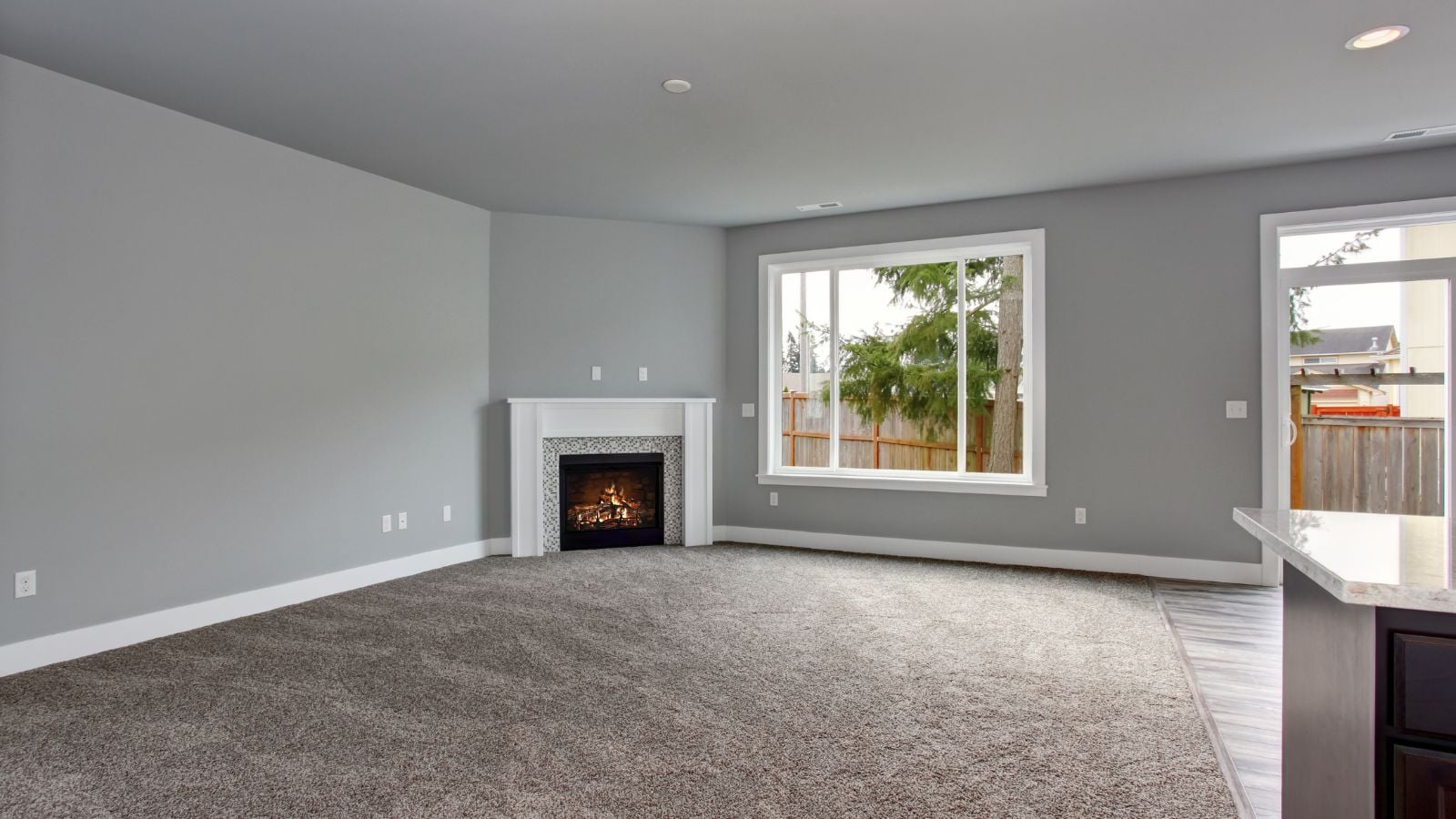
If your home has hard flooring throughout, it can feel much colder. A warm rug in the living room or bedroom can help you reduce gas consumption much more than you imagine. But carpeting your home will do even more to keep it feeling warm during the colder months. So, if you’re considering any home improvement projects, consider the functionality of different options.
Tips to Save Gas in the Water System

We forget that much of our gas bill goes into the hot water system. Beyond general water conservation, being mindful of water temperature is another way to cut costs.
Maintain Your Boiler

The water heater (boiler) must be in good condition. It should be inspected professionally every five years and replaced completely every fifteen years. The last thing you want is to hop in the shower and be met by an icy stream of water.
Check Leaky Faucets

Water losses from the taps affect not only our water bill but also our hot water and gas bill. If a faucet leaks and is set to a hot position, it puts demands on both systems.
Reduce Water Consumption
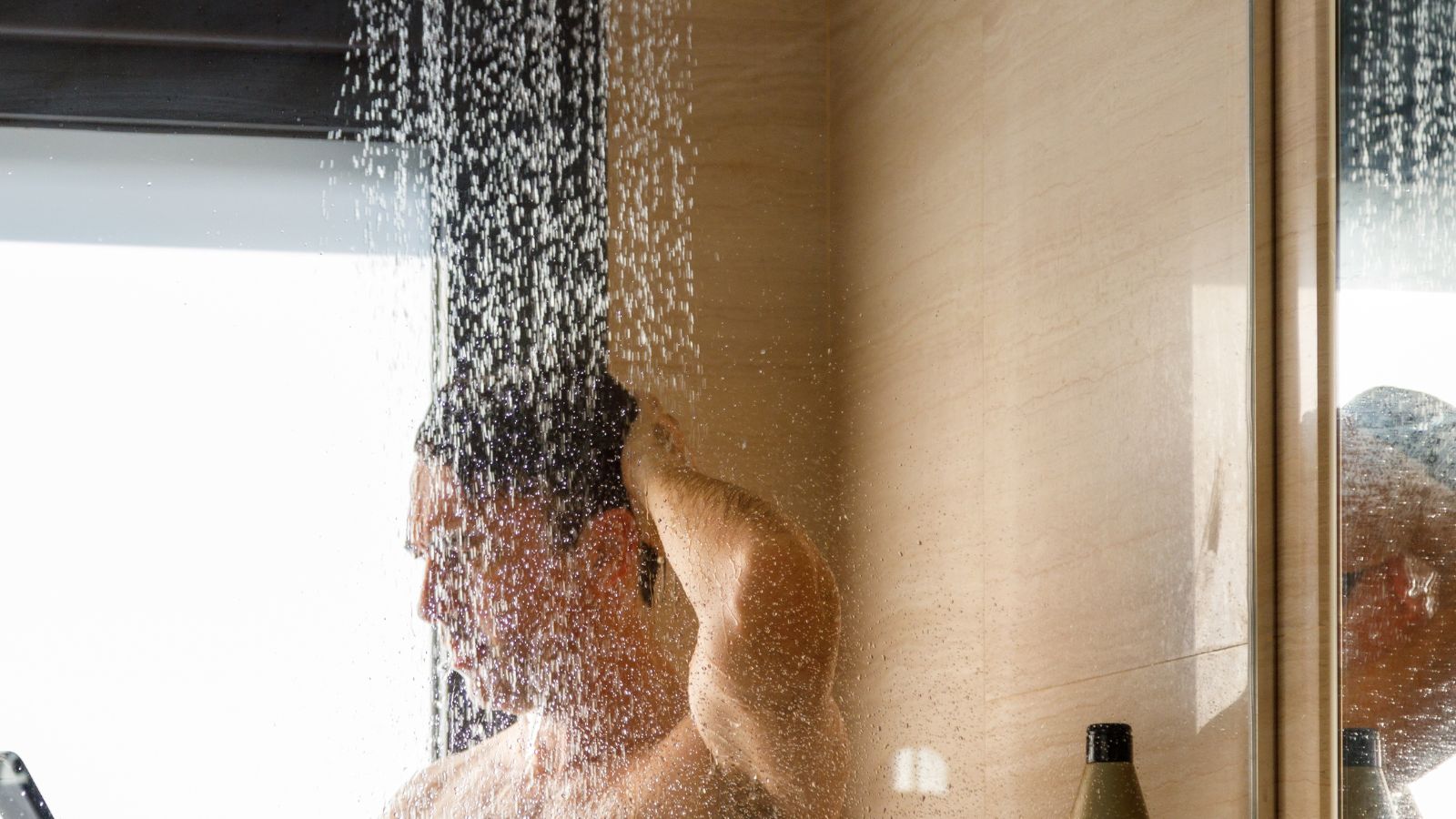
Shorter showers mean less hot water and, therefore, less gas consumption. In reality, your energy habits are interconnected. The same is true with the amount of laundry we wash in hot water and how we prepare different foods in the kitchen.
Tips to Save Gas in the Kitchen

Did you know how you cook can help you save a lot on your gas bill? Next, we will share some tips to positively impact your next gas bill. By the way, most of these tricks also work for electric stoves.
Use Burners Properly

The size of the burner that you decide to use should be chosen based on the size of the pot or pan that you use to cook. A small pot with a large burner will waste a lot of energy regardless of your energy source.
Right Size Pans

Do not choose a huge saucepan to make a stew for two; it will take longer to heat up and, therefore, more gas. The opposite can also be true when cooking for a large group using several smaller pots rather than one large.
Take Advantage of the Oven

When you use the oven (whether gas or electric), take the opportunity to make several meals or dishes simultaneously to make the most of the energy produced by your oven. To do this, invest in several wire racks.
Cover Containers While Cooking

This simple step saves a lot of energy when preparing hot food. It is a simple trick, but it will pay off in your pocket at the end of the month. Of course, the exception may be recipes that specifically call for uncovered cooking. However, in many instances, you can cover the pot while allowing the lid to vent. This will allow some but not all heat to escape and speed up the cooking time.
Use a Pressure Cooker or Dutch Oven

Pressure cookers allow you to prepare food quickly and use less gas. Knowing the type of cookware and when to use it is a big part of successfully preparing meals and managing your energy consumption. To maximize their benefits, know the difference between glass and metal cookware and specific types of bakeware, like a Dutch oven.
Check Your Stove

If you’ve had a stove for years, it’s time to call a professional. For the longevity of your appliance, an inspection is recommended every two years. As a general rule, you should maintain regular maintenance, like keeping the burners clean, checking that connection lines (valve and hoses) are secure, and paying attention to the color of the flame. If the flame is yellow, the stove is not working efficiently and is costing you money.