
Disclosure: This post may contain affiliate links, meaning if you decide to make a purchase via my links, I may earn a commission at no additional cost to you. See my disclosure for more info.
The emergency fund report from Bankrate shows that only about 43% of Americans can cover a $1,000 emergency expense from a savings account. The best way to rectify this and start saving is to recognize your bad money habits and commit to breaking them today.
Not Having Savings Goals

Setting savings goals gives you a valid reason to save and allows you to know exactly how much you need to save. If you don’t set specific goals, you may not think about how much you should save and what you need to do to actually start building savings.
Overspending on Non-essential Purchases

Everybody impulse buys occasionally. But it’s amazing how much those impulse buys can add up over the course of a month. Before you know it, you’ve blown your entire budget on things that you really don’t need.
Accumulating Debt

According to debt.org, the average American household carries a little more than $100,000 in debt. Unfortunately, it’s become normal for people to accumulate large amounts of debt and then attempt to pay it off slowly.
Not Making a Budget

Without a budget, accurately tracking expenses, keeping track of savings goal progress, or knowing what money you have available for spending becomes challenging. A budget helps you keep track of all these things and avoid falling into negative spending habits.
Waiting to Save Until your Paycheck is Spent

Even if you have a budget, it’s easy to forget savings and spend more than you intended. Try to deposit your savings as soon as you get your paycheck to ensure you don’t run out of funds before you’ve paid your savings account.
Not Having an Emergency Fund
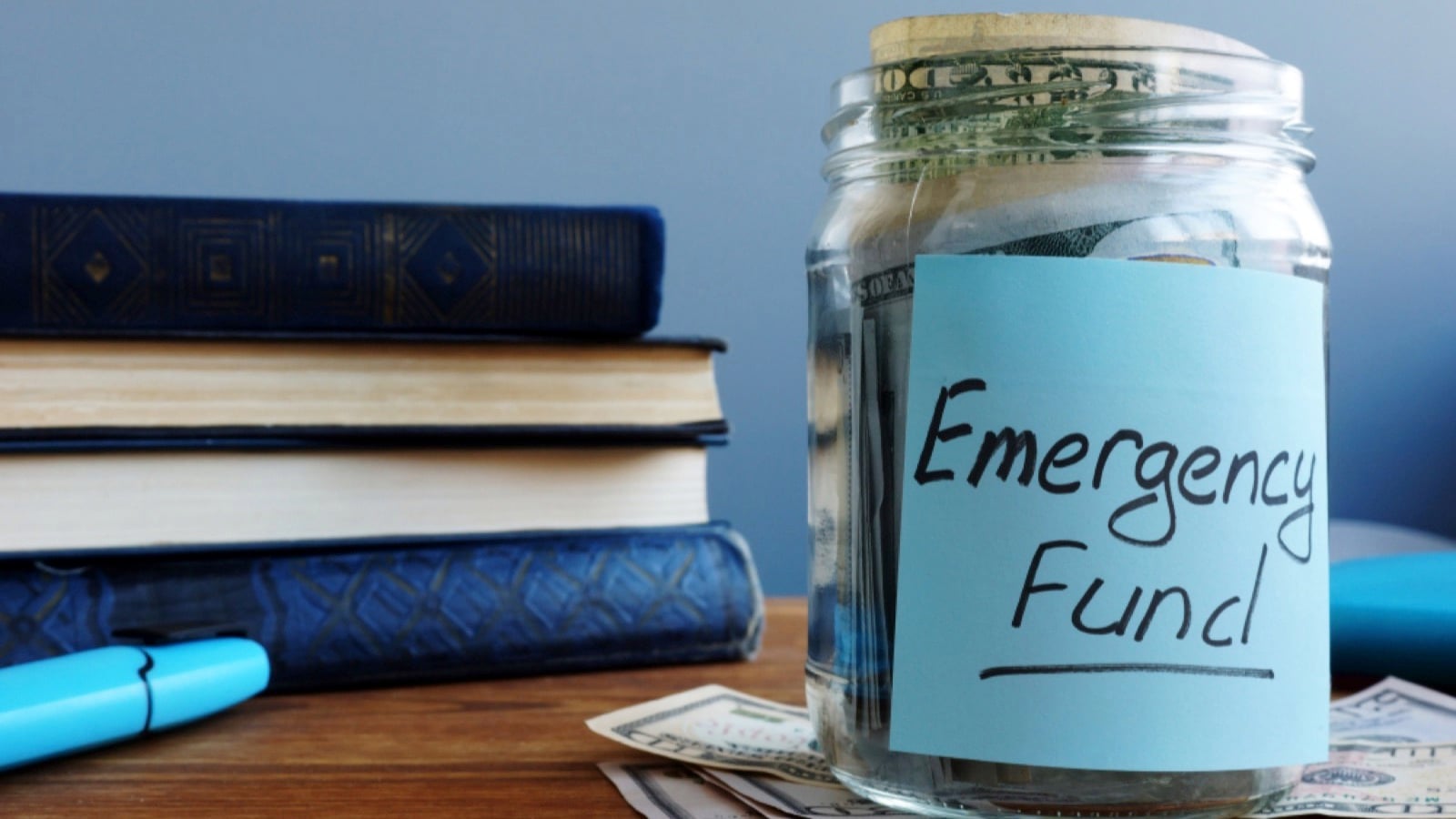
Did you know about 57% of Americans are not comfortable with their level of emergency funds? Some don’t have any type of emergency fund at all or have to prioritize other goals, leaving nothing left for an emergency fund.
Using Cash Advances

Sometimes, a cash advance is necessary to help with emergency expenses or simply to make ends meet. However, relying on them can lead to a never-ending cycle of debt. Cash advances include overdraft protection, payday loans, and buy now, pay later services.
Forgetting About Savings Account Rates

Interest rates fluctuate quite a bit on most savings accounts, but most people don’t know how much interest they are earning on them. Knowing your savings account rates and what rates are available on other accounts allows you to make more informed decisions about your funds.
Using Out-Of-Network ATMs
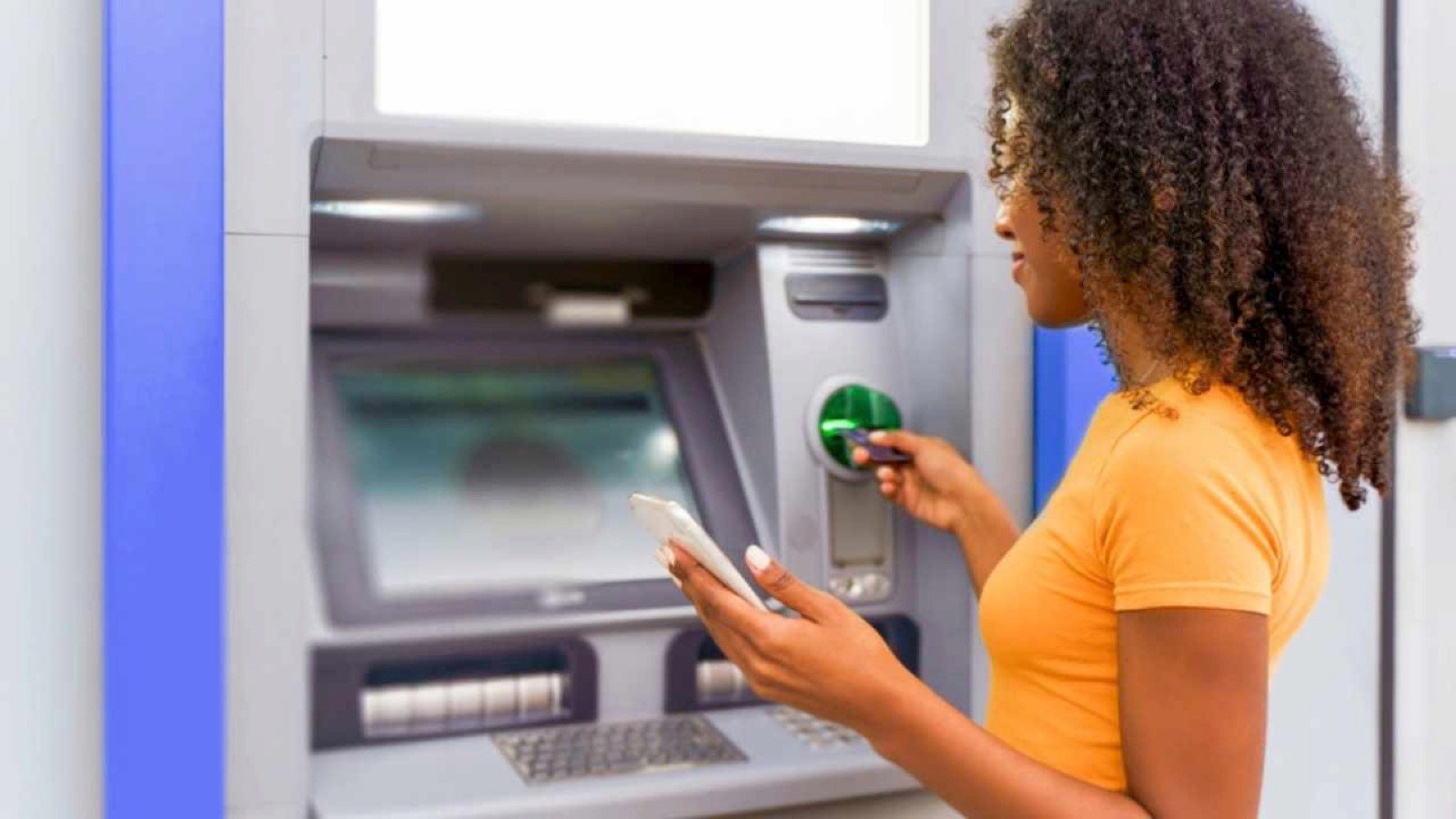
The average fee for using an out-of-network ATM is about $4.66, which can add up quickly. Just two out-of-network ATM withdrawals a month can cost over $100 a year. Try only using ATMs within your bank’s network, or get a checking account that refunds ATM fees.
Maxing Out Your Credit Card

Keeping a low credit card balance, or none, is good for your credit score. However, your credit score can suffer if you have a large balance or go over your limit. You can technically spend up to your card limit, but remember, your credit score accounts for your credit utilization rate, which is how much of your available credit you’re actually using.
Carrying a Credit Card Balance

Credit cards started as charge cards, allowing users to purchase something on credit, but the balance was due monthly. This ensured cardholders only spent what they could afford. Most cards don’t work like that anymore, but paying off your balance each month is a good idea to avoid high-interest fees.
Convenience Shopping

All those runs to the convenience store, fast-food restaurant, and coffee shop add up quickly. It doesn’t seem like much when you only spend $5-$10 at a time, but even if it’s only one $5 cup of coffee a week, it adds up to over $250 a year.
Paying Your Bills Late

Sometimes, it’s unavoidable, but you should never prioritize buying fun things for yourself or going out to eat over paying your bills. Paying any bill late can result in unnecessary fees and have a negative impact on your credit score.
Ignoring Money Problems

If you’re experiencing money problems, you may want to ignore letters, calls, or emails and not think about them. But the longer you ignore them, the worse they could get. Try to face your problems and talk about them with family, friends, or a financial advisor.
17 Items to Cut From Your Budget You Won’t Miss

Are you feeling the pinch in your wallet? You’re not alone – many of us are looking for ways to save money without drastically changing our lifestyles. But what if we told you there are things you’re spending money on right now you wouldn’t even miss if they were gone? Yes, you read it right! This blog post is all about those sneaky budget items that are quietly draining your bank account. We’ve rounded up 17 items you can cut from your budget today. So, let’s dive right in and save more of your hard-earned money!
30 Tricks to Save on the Electricity Bill No One Talks About
Utility bills are inevitable, but you can reduce your consumption and spending. Here are thirty uncommon tips to help you be more energy-conscious, benefiting the planet, your wallet, or both.
The Purpose of a Budget and 11 Reasons Why You Need One

The primary purpose of a budget is to track your income and expenses. A budget also ensures your bills are paid on time, helps you plan for the future, helps identify any bad spending habits or areas where you could reduce your spending, and ensures that your spending reflects your priorities. By creating a budget and sticking to it, you can ensure your needs are met, your bills are paid on time, you get out of debt, and you meet your financial goals.