Disclosure: This post may contain affiliate links, meaning if you decide to make a purchase via my links, I may earn a commission at no additional cost to you. See my disclosure for more info.
We are quickly becoming a cashless society, with fewer people carrying dollars and change in their wallets. Paying by card or digital means is much more convenient, and retail outlets agree.
Retailers believe that carrying less cash is safer. As a result, many outlets, such as sporting arenas, are “card only.”
However, there are certain advantages to paying with cash.
1. It’s Cheaper Than a Credit Card
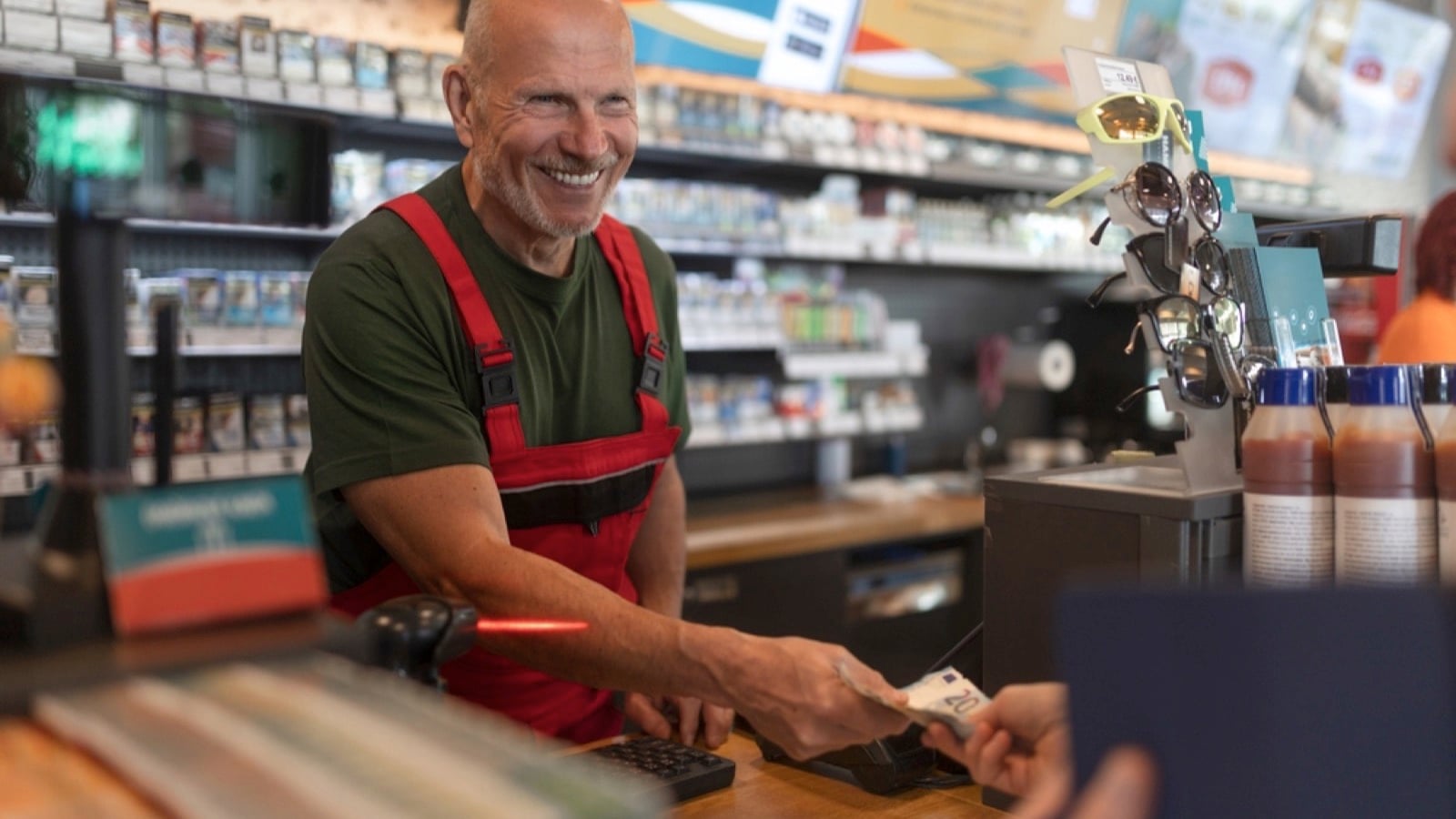
Most credit card companies charge retailers 2.5%, and some outlets pass those costs on to their customers. Gas stations are a prime example of places that charge additional fees. They pass on the charges assessed by financial institutions to motorists.
There are no such charges if you pay with cash, so you’ve made instant savings. However, over a year of driving, those 2.5% fees add up to a considerable cost.
2. Cutting Out the Middle Man

Charges are made on plastic transactions and some wire transfers because a third party is involved. Your bank becomes involved if you pay with any means other than cash.
Wherever fees apply, there’s a danger of those costs getting passed on to the customer. Cash transactions are cheaper because they involve just two parties: the buyer and the seller.
3. Cheaper Than Digital Wallets

Some of the most expensive financial transactions are via digital wallets. Paying for goods via PayPal and similar institutions requires the retailer to pay 2.9% in transaction fees, which will be passed on to the buyer.
Digital wallets are another prime example of how paying with cash can save you money.
4. It’s More Cost Effective to Receive Cash
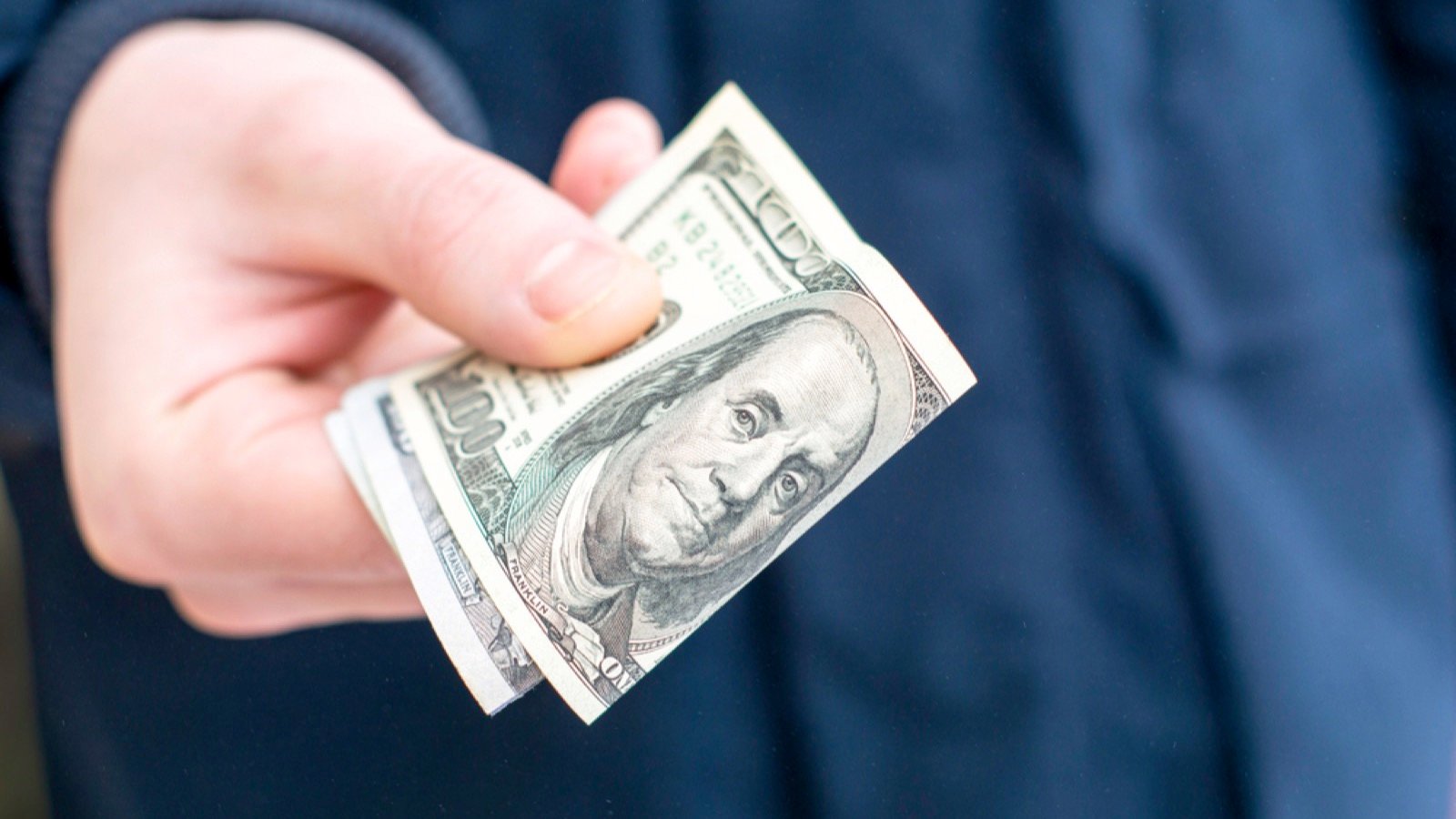
If you’re a retailer or an individual looking to sell a few surplus items, getting paid in cash is your most effective option. For the reasons we’ve already seen, other payment methods may well attract unwanted charges that eat into your profit.
Cash carries no such fees, so looking for dollars and cents whenever you sell is a good idea.
5. Temptation Stays at Home

Impulse buys are one of the biggest threats to budgeting. A trip to the store could result in an unnecessary purchase, and the convenience of a card adds to the threat.
Keep the cards at home, budget for what you need at the store, and carry a fixed amount of cash. Keeping temptation out of your pocket helps you save more.
6. A Sense of Spending
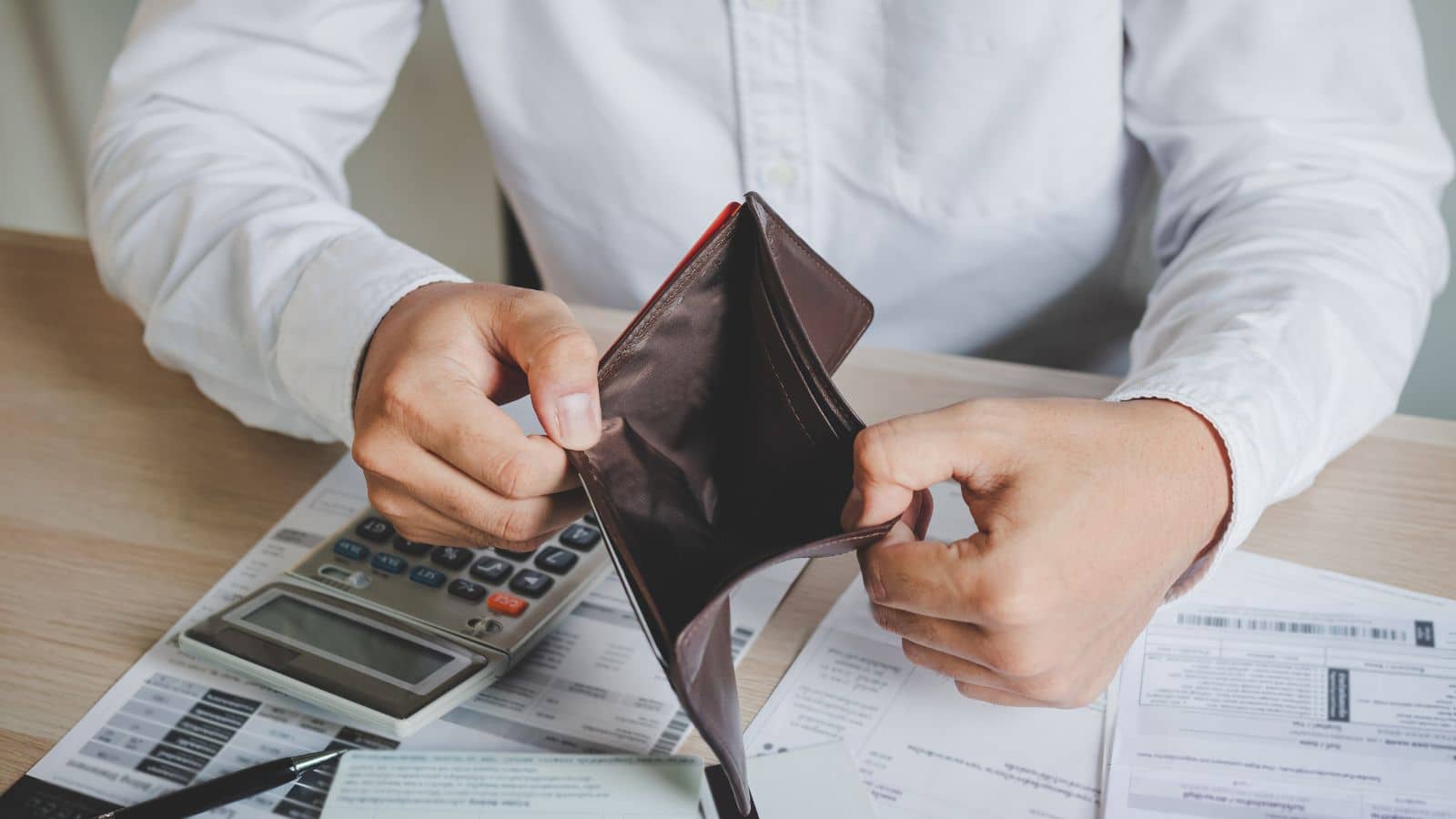
Having cash teaches us about the value of money. Another danger with plastic is that we lose track of our spending, and it’s easier to go over budget.
With cash, when it’s gone, it’s gone, and having an empty purse or wallet is a sure sign that we’ve spent the limit.
7. You Can Obtain Discounts for Cash

There are areas of trade where it’s possible to agree to discounts for paying in cash. Auto dealers, for example, often accept cash in return for a price reduction, as do many tradespeople, such as builders and electricians.
Car dealers, for example, know that cash completes the transaction and that a direct debit cannot fail at any stage. For that reason, they may be happy to consider a discount.
8. Direct Debits Can Be More Expensive

Direct debits may be more expensive in some instances. Auto and home insurance are just two examples of costs most households have to deal with.
Companies often pass on the charges of processing direct debits to customers. Alternatively, there are no fees if you pay in full with cash.
9. Cash Doesn’t Attract Interest Charges

Whenever you pay with a credit card, you risk attracting interest charges. A credit card will cost you more unless you have a temporary 0% deal or can pay the total amount each month.
Cash has no such issues unless you have withdrawn via your credit card, which isn’t advisable.
10. Consider Cash Stuffing

One of the newest social media trends is cash stuffing. It’s popular with Gen Z and involves stuffing cash into envelopes and saving it for grocery shopping and entertainment.
Those who aren’t comfortable with having so much cash around the home can use virtual envelopes in the form of online savings accounts. It’s another way of ensuring that you only buy what you need.
11. Staying Safe

Cash payments also reduce the chance of identity theft or having your card details compromised. Security while paying with plastic is better than ever, but there is still a remote chance that cyber theft can occur.
Paying with cash adds an extra layer of protection that may save you from unnecessary time and costs involved with recovering stolen funds.
12. Cash Is a Better Option Abroad

When used overseas, plastic is usually subject to fees. Whether you pay with a debit or credit card, the merchant is likely to pass on the charges to the foreign customer.
While transaction fees apply when changing dollars into local currency, they are relatively low, and you should still save money by paying with cash abroad.
13. Cash for Haggling
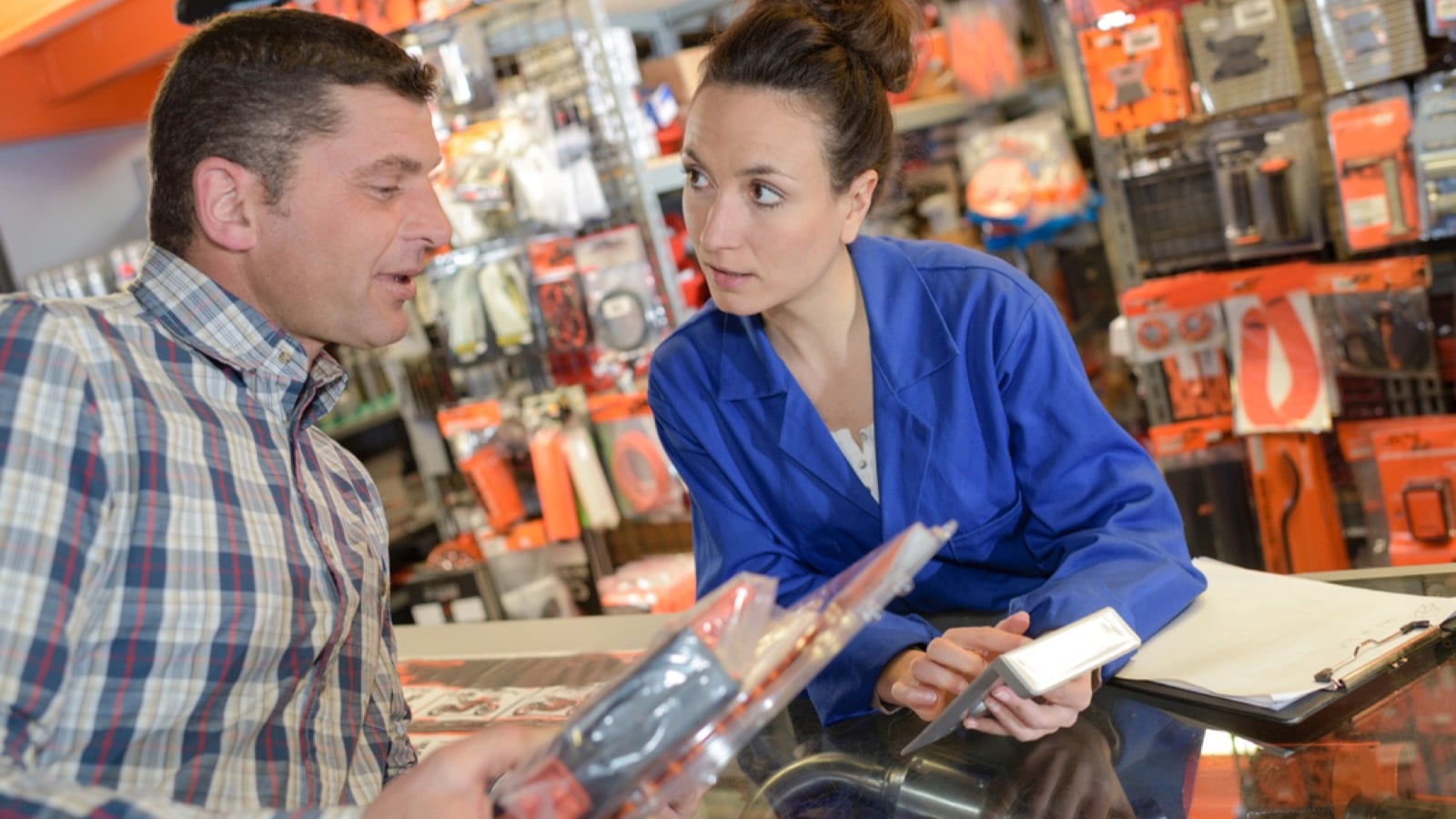
Traders are likelier to haggle with customers if cash is on the table. Nobody attempts to strike a deal with plastic if you watch TV shows where hosts buy cars or antiques.
Cash is traditional in that respect, but it’s one tradition that continues today. Haggling has excellent savings potential, but you can only do it with cash.
14. Don’t Forget the Change Jar

At the end of a trip to the store, you can place your leftover dimes and nickels into a change jar. Keep it going for at least a year, and you may have enough to cover some of the costs for the holiday season.
Technically, this approach does not save money, but it’s a helpful way to invest in your emergency fund.
15. Some Outlets Are Cash Only

It’s easy to assume that we’re rapidly becoming a cashless society, but we’re not there yet. Some smaller vendors, such as those at farmers’ markets, do not have a facility to accept payment by card.
If the seller is cash only and their products are cheaper, you can save some more money by carrying cash around.
13 Frugal Habits You Have Never Heard Of, but You Should Know
Are you ready to give your savings account a healthy boost? In today’s world, being frugal isn’t just about clipping coupons or skipping that morning latte. It’s about discovering creative, lesser-known strategies that help you keep more of your hard-earned money. We’ll unveil 13 frugal habits you’ve probably never heard of but should know. These aren’t your run-of-the-mill money-saving tips. These are game-changers! These habits will help you save more, spend less, and ultimately achieve financial freedom.
18 Ways to Save Without Sacrificing Life and Happiness

Do you want a new perspective on saving money? If you think this is another article telling you to skip your morning coffee or give up dining out, then let us tell you—it’s not! This blog post discusses 18 innovative and painless ways to save cash without sacrificing the things that make you happy. We believe that a good life isn’t about cutting back on everything you love but about making smarter decisions with what you have. So, if you’re ready to start saving without compromising your lifestyle or happiness, dive right in!