
Disclosure: This post may contain affiliate links, meaning if you decide to make a purchase via my links, I may earn a commission at no additional cost to you. See my disclosure for more info.
If you’re not a fan of creepy crawlies, think twice before reading this. But bugs are more interesting than you think, and there are some really fascinating mini beasties out there. Whether it’s a brightly colored insect or a weird bug with bizarre habits, there’s a lot to discover. So, if you’re brave enough, read on to learn a few bizarre facts about bugs you may not know.
Housefly

The feet of a housefly are 10 million times more sensitive than the human tongue. In fact, they use their feet to find sugar. Another lovely housefly fact is that they regurgitate their food and then eat it again. They do this to break down the food for digestion.
Fairyfly

The fairyfly is the world’s smallest insect. It’s so tiny it’s smaller than a crumb, and you need a microscope to see it.
Voodoo Wasp
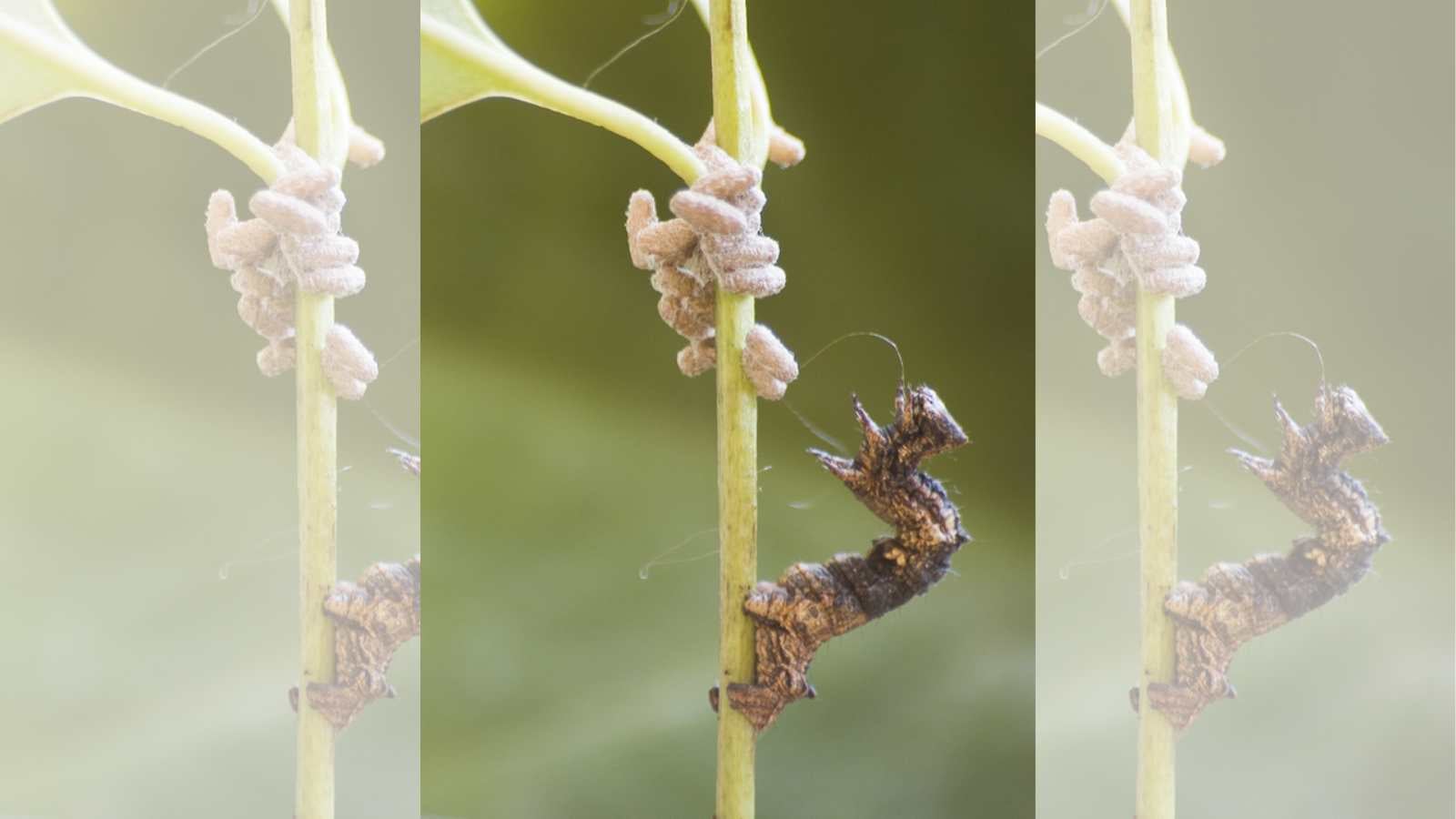
It can impregnate a caterpillar with about 80 eggs. Once those eggs hatch, the larvae feed on the caterpillar, which somehow puts the caterpillar in a zombie-like state until it ultimately dies.
Cockroach

A cockroach has a decentralized nervous system. This allows it to live for an entire week without its head if it becomes decapitated.
Julia Butterfly

These butterflies live in the western Amazon and feed on flower nectar and turtle tears. They ride on a turtle’s back and irritate its eyes to cause it to produce tears, a process known as lachryphagy.
Dung Beetle

A dung beetle can pull an object that is 1,141 times heavier than its own weight. That’s equivalent to a human pulling about six double-decker buses.
Australian Dragonfly

The Australian dragonfly can zoom up to 30 miles an hour. Another interesting fact is that dragonflies have been around for 300 million years.
Honeybee

Use dance to communicate. Specifically, when they find a suitable spot for pollen, they dance to let other bees know where it is. Another fun fact: bees beat their wings 190 times a second, which adds up to 11,400 times a minute.
Ant

Ants are one of the strongest insects and can carry over fifty times their weight. That’s like a human lifting a school bus. The bulldog ant, otherwise known as the jump ant, is both territorial and aggressive. In fact, it’s known as the most dangerous ant on earth.
Beetle

Beetles are the most common insect species on earth, with about 380,00 species. These bugs account for an astounding 40% of all insect life on the planet.
Termite

Did you know termites like rock music? Correction 1: It is believed that vibrational frequencies affect how termites eat, and frequencies slightly below 3000 kHz, similar to rock music, appear to enhance their feeding habits.
Dust Mite
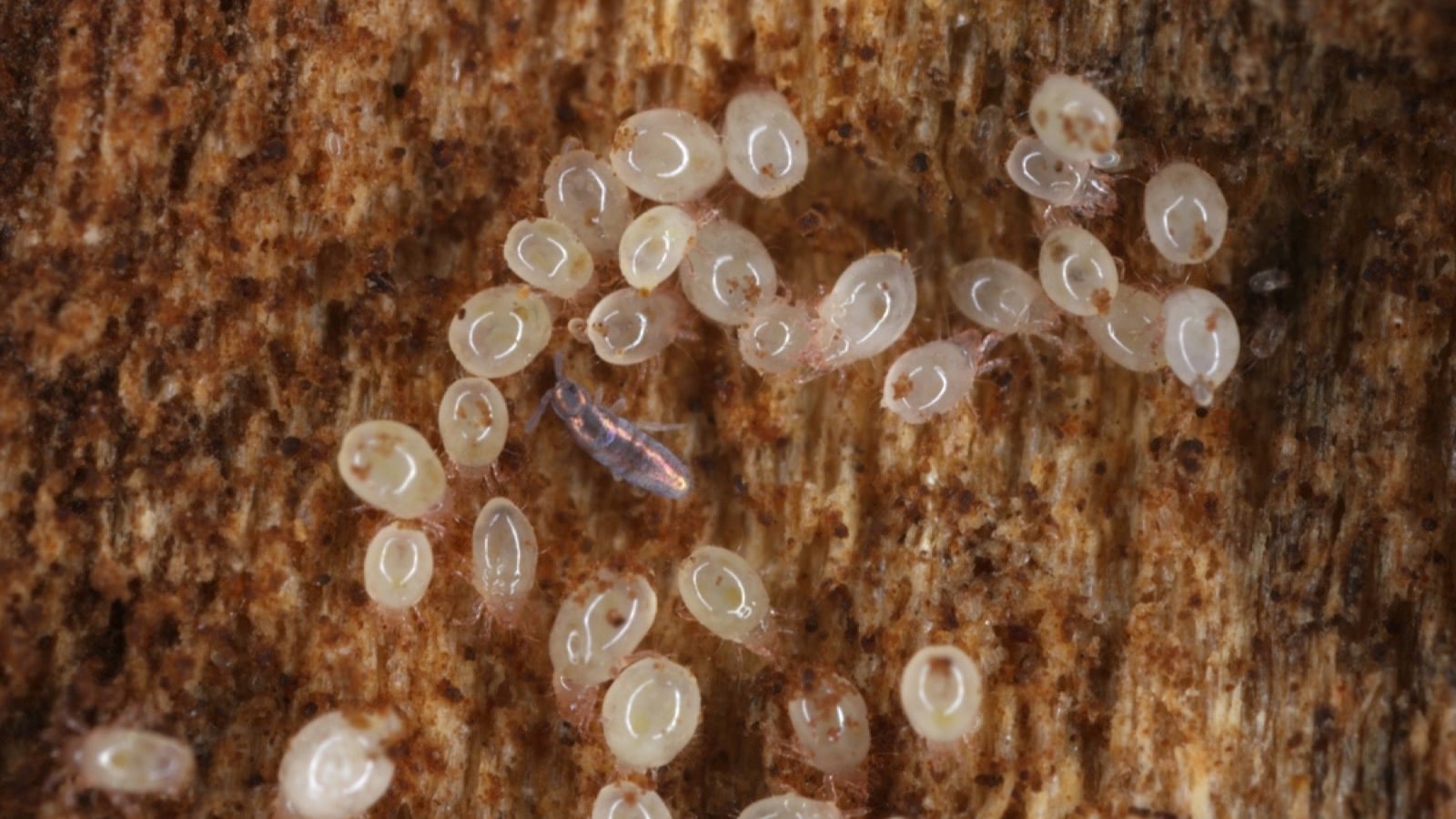
Dust mites feed off dead skin, and a used mattress can contain up to 10 million of them. That’s why it’s important to replace your mattress every 10 years.
Stick Insect

Otherwise known as phasmids or walking sticks, stick insects are camouflage professionals. They can mimic branches and twigs so well that they blend into their surroundings and hide from predators. Stick insects can also grow back a limb if they lose one.
Monarch Butterfly
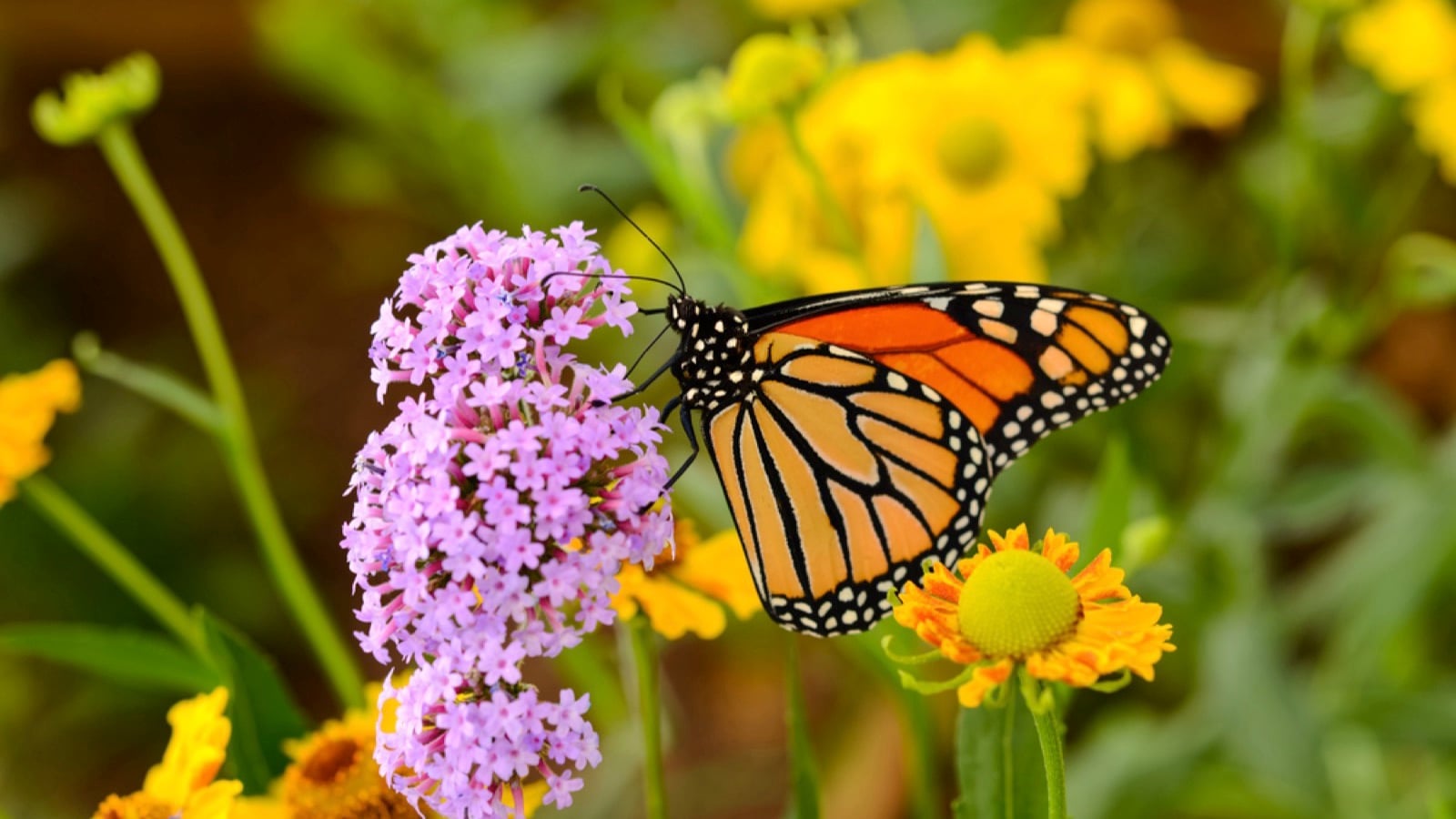
The monarch butterfly travels thousands of miles every year during migration season. It travels from North America to Mexico to avoid the winter months. Another general butterfly fact is that a group of butterflies is called a flutter.
Cricket

We all know crickets make a chirping sound by rubbing their wings together. But did you know you can use the crickets chirp as a rough temperature gauge? It increases as the temps rise.
Bolas Spider
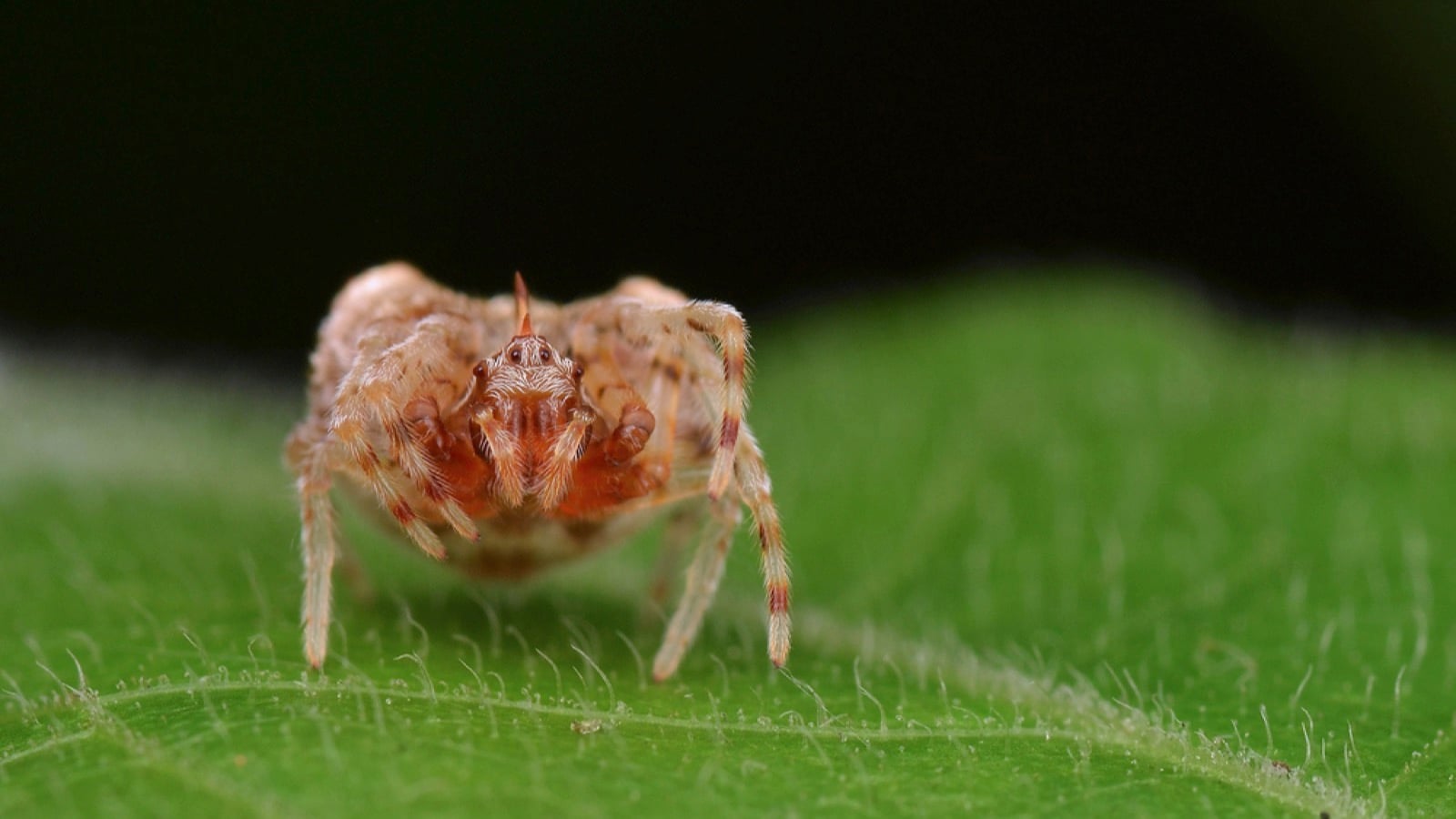
Not officially an insect, but we had to put at least one spider in here. The bolas spider hunts by spinning a single threat with a sticky bola on the end. They swing this bola to catch flying insects.
Goliath Beetle
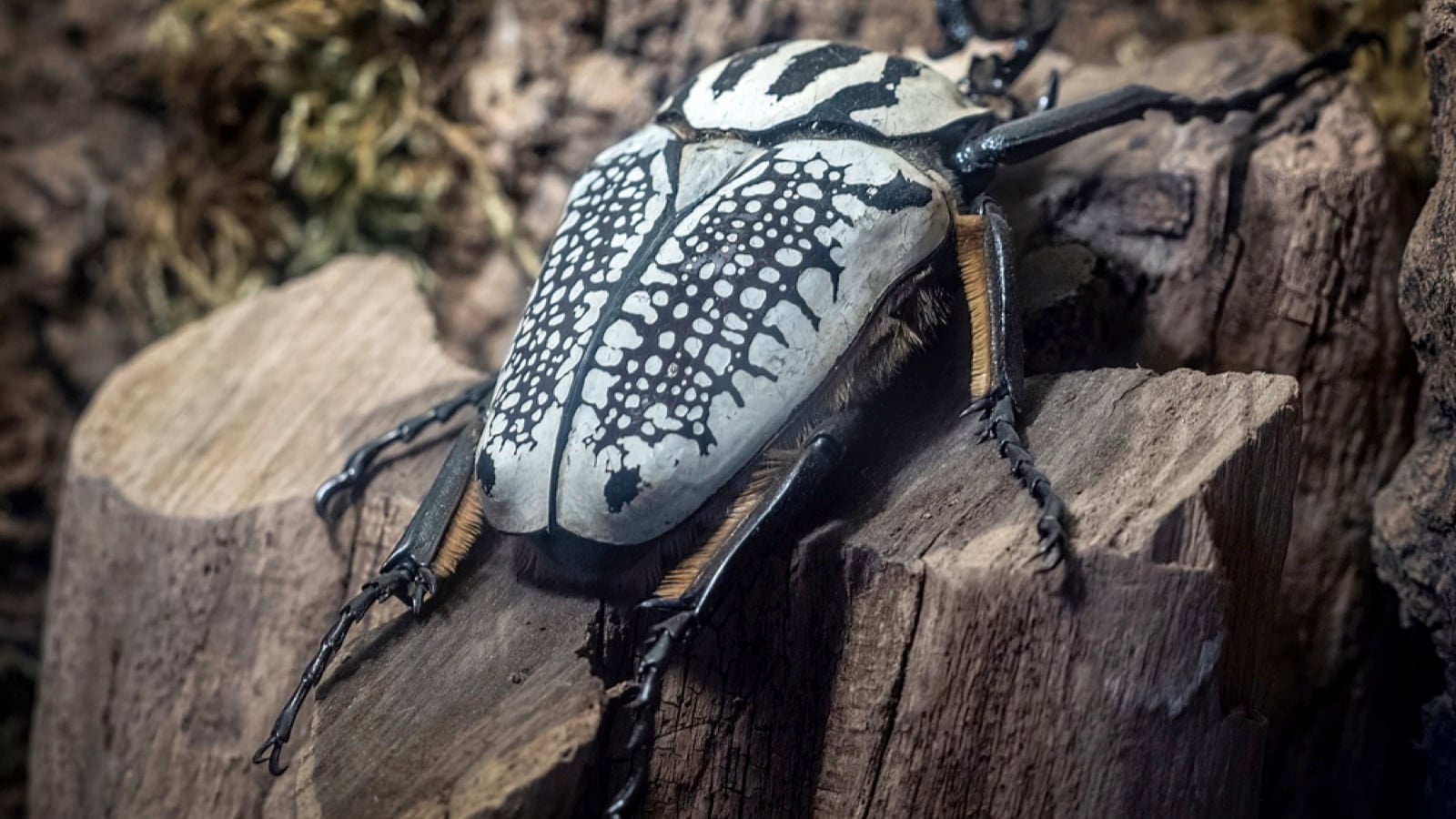
One of the largest insects in the world, some species of the goliath beetle can grow up to 4.5 inches long and weigh up to 3.5 ounces. They are popular with insect enthusiasts because of their enormous size and unique appearance.
Caterpillar
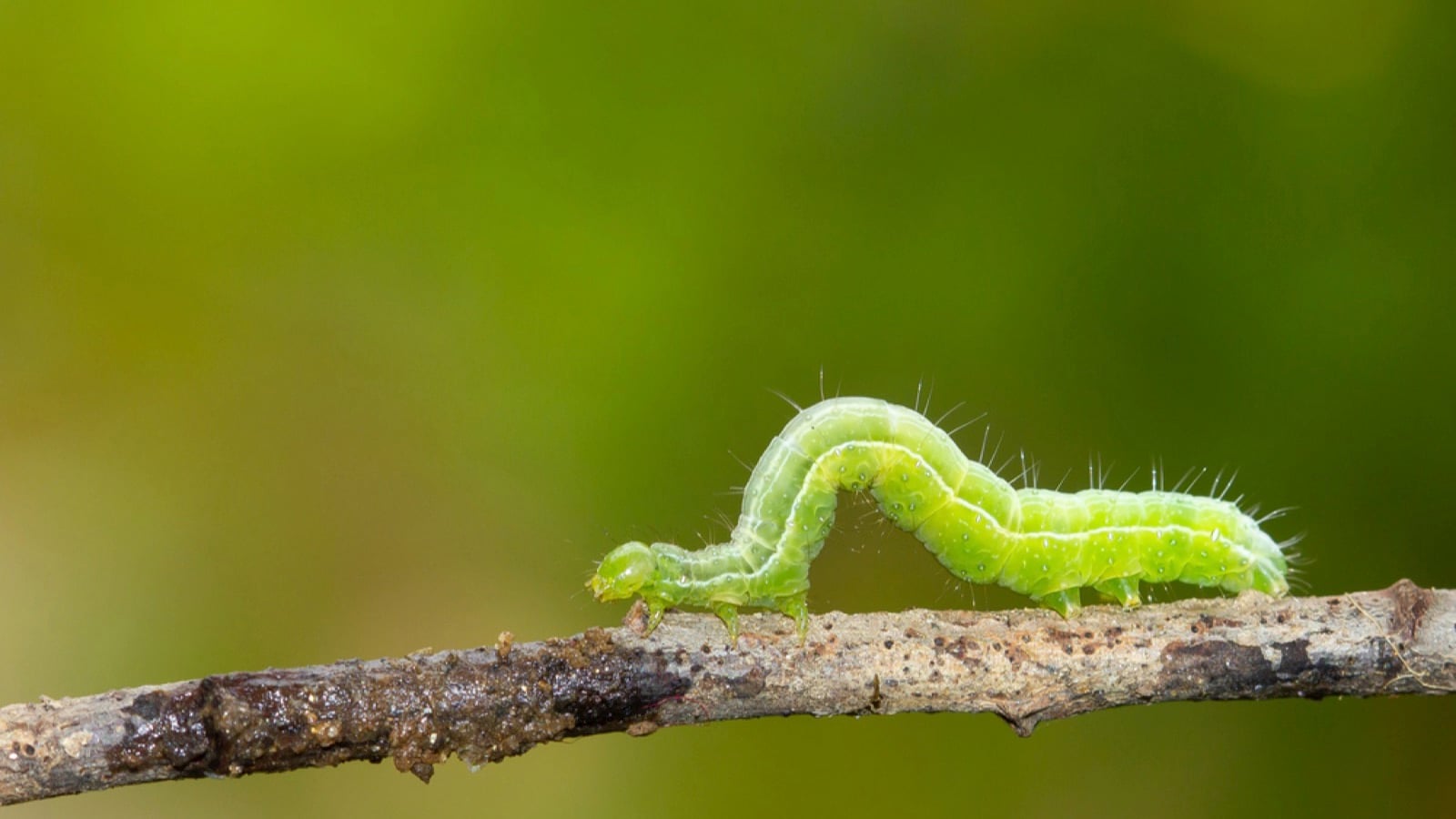
Caterpillars are voracious eaters and can chew through over 300 leaves weekly. They eat as much as possible to store energy for their transformation into butterflies.
19 Unsolved Mysteries From Around the World

World history is an ongoing obsession for many of us, not in the least because of the unanswered questions records may bring. Mysterious, confusing, and all-around odd, countless historically recorded happenings do not make sense. It’s all utterly intriguing.
- Read More: 19 Unsolved Mysteries From Around the World
10 Delightful Things Kids Naively Believe to Be True

Sometimes, society seems to force children to grow up too quickly. Some parents even say their children understand the world better than they do. But during that magical window of life, kids make hilariously naive assumptions that become beliefs over time. What kind of things did you take as fact as a child? Here are ten things kids still believe are true.